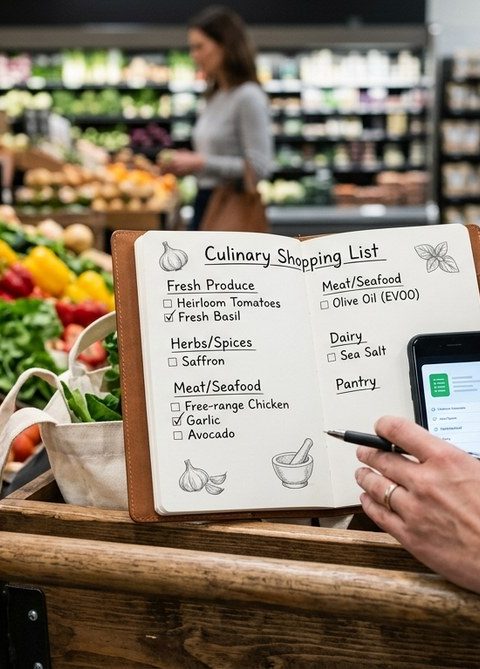
The 5:30pm scramble is real. Your daughter just finished soccer practice and needs a filling dinner. Your husband walked in the door with a headache and said he's cutting out dairy for a month. Your youngest son refuses to eat anything green. And you? You're three steps away from ordering pizza for the fourth time this week. Feeding a family with different dietary needs often feels like running a short-order restaurant. But there is a smarter way. You don't have to cook three separate dinners every night. With a little strategy and one clever approach, you can put a single meal on the table that satisfies everyone.
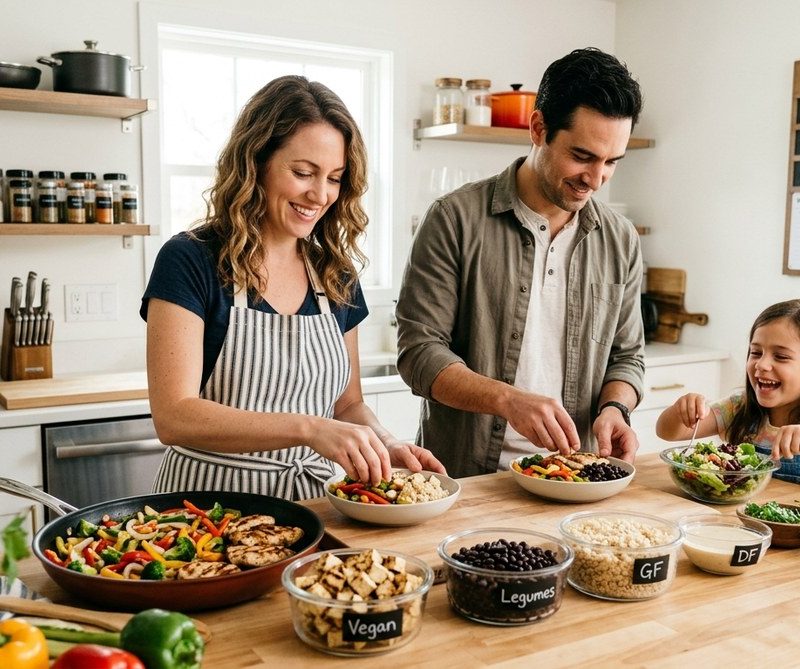
Cooking one base meal and letting each family member customize their bowl is the simplest way to handle different dietary needs. Think taco bars, grain bowls, or baked potato bars. Prep versatile components like protein, grains, and veggies separately. Then everyone assembles their own plate. This method cuts cooking time in half and stops mealtime arguments.
Build a Meal Around a Customizable Base
The secret is the "choose your own adventure" dinner. You prepare a neutral foundation and offer a variety of toppings, proteins, and sauces. Each person picks what works for their diet. This approach works for everything from vegetarian to gluten-free to dairy-free eaters. And it turns dinner into a fun, low-pressure activity rather than a negotiation.
The Step-by-Step Process
Here is the core method for making one meal feed a crowd with clashing dietary needs.
-
Pick a neutral base that works for most diets. Examples: rice, quinoa, lettuce cups, baked potatoes, gluten-free pasta, or corn tortillas. Choose something that everyone at the table can eat. If someone is gluten-free, skip regular pasta or whole wheat tortillas.
-
Cook two or three protein options. Prepare one plant-based protein like black beans, lentils, or tofu. Then cook a second protein such as grilled chicken, ground turkey, or salmon. Keep them separate so everyone can choose. For dairy-free folks, avoid cheese toppings. For vegetarians, skip the meat.
-
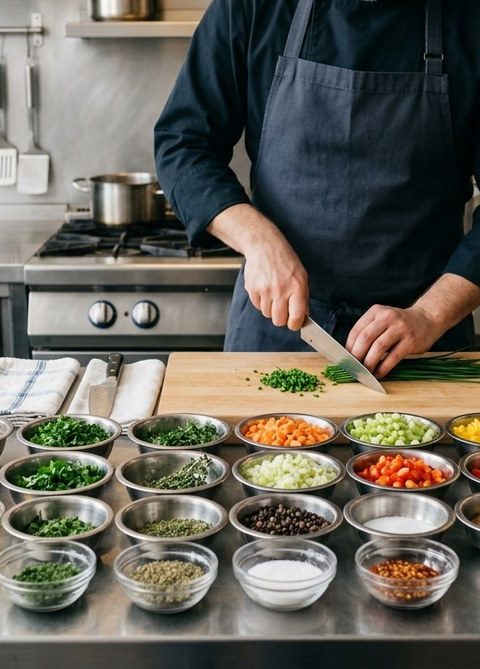
Prep a rainbow of toppings. Chop vegetables, shred greens, slice avocado, and set out sauces. Place everything in small bowls. Let people build their own bowls. This is where picky eaters get to control their plate and adventurous eaters can load up.
-
Label everything clearly. Use small food labels or sticky notes to mark what is gluten-free, dairy-free, or vegan. This helps guests and kids feel confident. It also prevents accidental cross-contamination.
-
Set up a self-serve station. Arrange the base, proteins, toppings, and sauces in a line on the counter or kitchen island. Let everyone fill their own bowl. Kids love the independence. Adults appreciate the control.
Bowl Bar Ideas That Work for Any Diet
- Taco bar: Corn tortillas (gluten-free), seasoned ground beef, black beans, shredded lettuce, diced tomatoes, salsa, guacamole, vegan cheese, and dairy-free sour cream.
- Grain bowl bar: Quinoa or rice, grilled chicken, roasted chickpeas, baby spinach, cherry tomatoes, cucumbers, olives, tahini dressing, and lemon vinaigrette.
- Baked potato bar: Russet potatoes, chili (with or without meat), broccoli, shredded cheddar, vegan cheese, bacon bits, and green onions. Keep the chili separate for vegetarians.
- Stir-fry bar: Rice or cauliflower rice, stir-fried tofu, sautéed shrimp, bell peppers, snap peas, carrots, soy sauce (gluten-free tamari), and sriracha.
- Pasta bar: Gluten-free pasta, regular pasta, marinara sauce, pesto (dairy-free version), grilled chicken, meatballs (or plant-based meatballs), roasted veggies, and nutritional yeast for a cheesy flavor.
Common Mistakes and How to Fix Them
Even with the best intentions, family meal planning for different dietary needs can go wrong. Here are the most frequent slip ups and how to correct them.
| Mistake | Why It Happens | How to Avoid It |
|---|---|---|
| Cooking separate meals for each person | You think customization means starting from scratch. | Use the base-and-bar method. Prep one thing in bulk, then let people build. |
| Forgetting about hidden allergens | A topping like croutons or shredded cheese can contain gluten or dairy. | Read labels on every jar and bag. Keep separate serving spoons for each topping. |
| Offering too many choices | Analysis paralysis leads to whining or wasted food. | Limit toppings to 5 or 6 per meal. Rotate themes so kids don't get bored. |
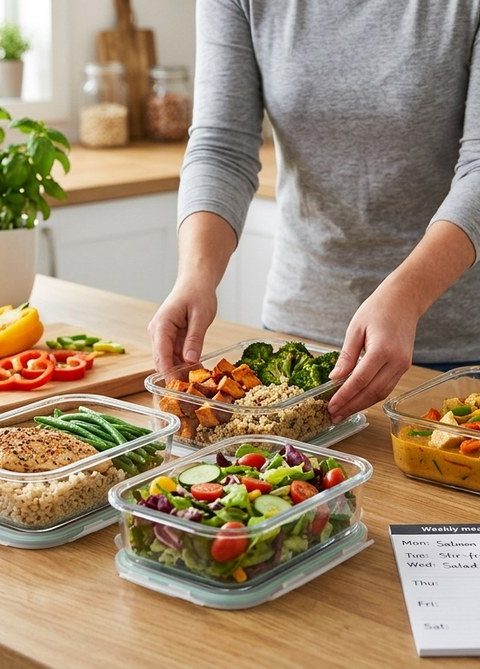
| Not prepping ahead | You run out of time and resort to fast food. | Spend 30 minutes on Sunday chopping veggies, cooking grains, and marinating proteins. Store them in clear containers. |
| Ignoring flavor balance | Plain rice and plain chicken equals boring. | Season proteins boldly. Offer two or three sauces and a crunchy element like nuts or seeds. |
"The number one mistake I see is parents trying to make a completely different meal for each person," says registered dietitian Maria Santos. "Instead, think of ingredients as building blocks. When you prep each component separately, you give everyone the freedom to build a meal that fits their needs without creating extra work for yourself."
A Sample Week of One-Base Meals
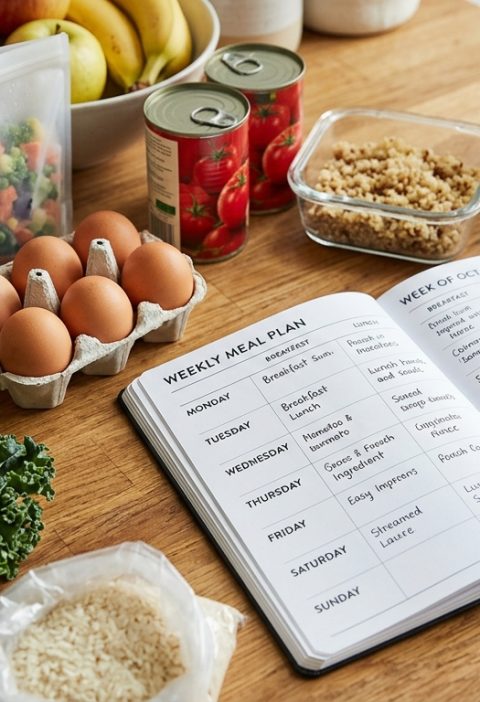
You don't need elaborate recipes. Here is a realistic week that uses the bowl bar method. Adapt based on what your family likes and what is on sale.
Monday: Taco bar (See the list above. Use soft corn tortillas for the gluten-free family member and hard shells for everyone else.)
Tuesday: Grain bowl bar with quinoa, grilled chicken, roasted sweet potatoes, black beans, and a lemon-tahini dressing. Offer a side of diced mango for sweetness.
Wednesday: Baked potato bar with chili (make a double batch and freeze half for later). Include a plant-based chili option for the vegetarian.
Thursday: Stir-fry bar with rice noodles (gluten-free), tofu, shrimp, broccoli, snap peas, and a tamari-ginger sauce.
Friday: Pizza night using cauliflower crusts (store-bought or homemade) and traditional crusts. Set out tomato sauce, mozzarella, vegan cheese, pepperoni, mushrooms, and olives. Let everyone build their own personal pizza.
Saturday: Leftover bar. Pull out all the containers from the week. Put them on the counter and let everyone make a bowl from whatever is left. This is the ultimate no-cook night.
Sunday: Meal prep session for the next week. Cook a big batch of rice or quinoa. Grill chicken and tofu. Chop vegetables. Make two sauces. Store everything in the fridge.
Plan Ahead with These Smart Techniques
The key to making this work long term is a little upfront investment. Here are three strategies that save you from the 5pm panic.
Batch cook versatile ingredients. Cook a large pot of beans, a sheet pan of roasted vegetables, and a big batch of grains on Sunday. Use them in different ways all week. For example, black beans go in tacos Monday and in a grain bowl Tuesday. Roasted sweet potatoes work as a side or as a topping.
Master two or three universal sauces. A simple vinaigrette, a creamy tahini dressing, and a spicy tomato sauce can transform plain ingredients into different cuisines. Keep them in jars in the fridge.
Use themed nights to reduce decision fatigue. "Taco Tuesday" becomes automatic. "Bowl Wednesday" gives you flexibility. "Stir-fry Thursday" uses up leftover vegetables. When the theme is set, you only choose the base, protein, and toppings.
For more advanced planning strategies, check out our guide on mastering meal prep and our realistic approach to batch cooking without burnout. These resources will help you streamline your weekly routine even further.
Your Family, One Table
Cooking for a family with different dietary needs doesn't have to mean cooking chaos. When you shift to a one-base, customizable approach, you save time, money, and your sanity. Your vegetarian teenager can pile on chickpeas and avocado. Your gluten-sensitive partner can grab corn tortillas. Your picky eater can build a bowl that feels safe and familiar. And you get to sit down at the same table with everyone, eating together without the separate meals.
Start small. Pick one night this week and try a taco bar or a grain bowl bar. Notice how much easier it feels when you're not juggling three pots on the stove. Once you see how well it works, you won't go back. Your family will thank you. And you might even enjoy dinner again.