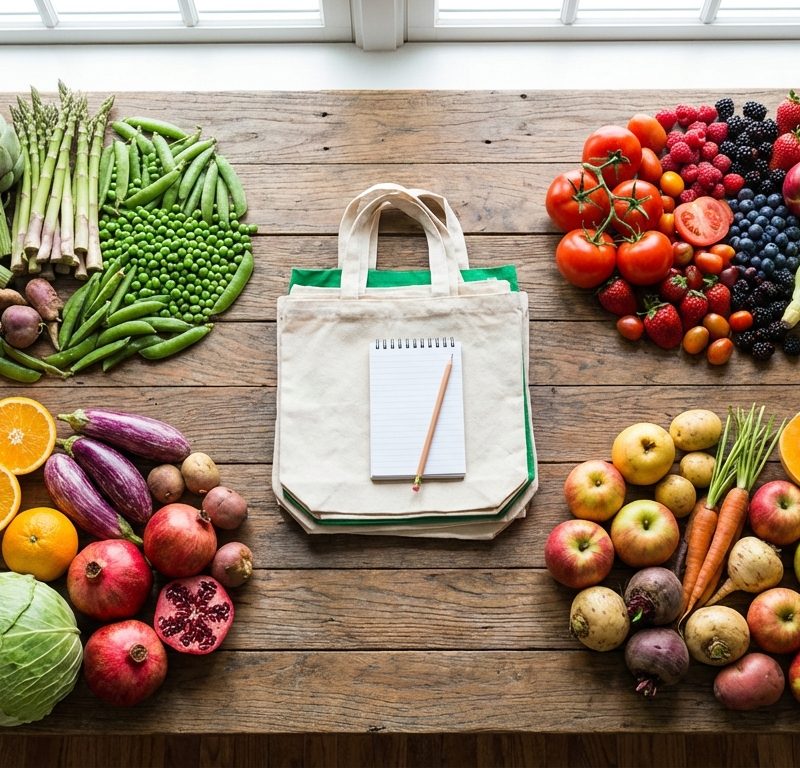
Walking past the produce section and seeing strawberries in December might seem convenient, but those berries traveled thousands of miles and cost twice as much as they do in June. Your wallet knows the difference, and so do your taste buds. Buying fruits and vegetables when they’re naturally abundant in your region means better flavor, lower prices, and meals that actually taste like the season you’re in.
This seasonal produce guide shows you exactly when to buy fruits and vegetables for maximum flavor and minimum cost. You’ll learn what’s in season each month, how to spot peak produce at the store, and simple strategies to plan meals around seasonal availability. Shopping seasonally cuts your grocery bill while delivering better-tasting ingredients that need less work to shine on your plate.
Understanding Why Seasons Matter for Your Grocery Budget
Produce prices follow predictable patterns throughout the year. When farmers harvest tons of tomatoes in August, stores drop prices to move inventory. Buy those same tomatoes in February, and you’re paying premium prices for imports grown in heated greenhouses thousands of miles away.
Seasonal produce also tastes better because it ripened naturally. That matters when you’re trying to make simple meals work. A perfectly ripe peach in July needs nothing but a napkin. A mealy winter peach needs sugar, baking, and optimism.
Your location changes everything about what grows when. California gardeners pick citrus in winter while Minnesota cooks rely on storage crops like squash and potatoes. This guide focuses on general U.S. patterns, but your farmers market will show you exactly what thrives in your specific climate zone.
Spring Produce Worth Waiting For
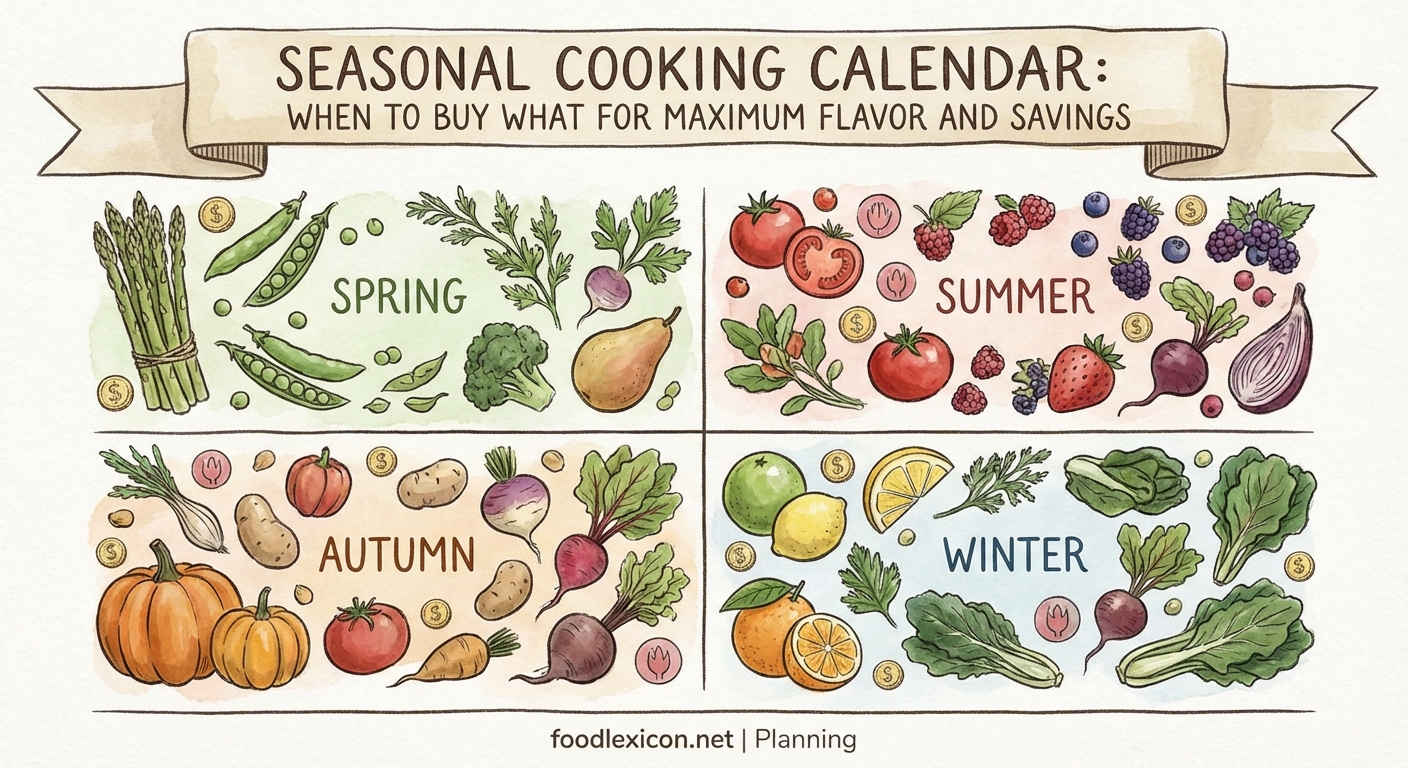
Spring arrives with tender greens and vegetables that can’t handle summer heat. These crops grow fast and taste delicate.
March through May brings:
- Asparagus spears that snap when fresh
- Artichokes with tight, heavy heads
- Peas so sweet you can eat them raw
- Radishes with crisp bite
- Spinach and arugula before they bolt
- Strawberries starting in late spring
- Rhubarb stalks for pies and compotes
Asparagus demonstrates seasonal pricing perfectly. April asparagus costs half what you pay in November. The flavor difference is just as dramatic. Spring spears taste grassy and clean. Off-season asparagus tastes like the refrigerated shipping container it lived in for two weeks.
Strawberries bridge spring into early summer. Local berries show up at farmers markets in late May or early June, depending on your latitude. They cost more per pint than supermarket berries but deliver three times the flavor. You’ll use fewer berries per recipe when they actually taste like something.
Summer’s Abundance Changes Everything
Summer overwhelms you with options. This is when seasonal cooking gets easy because everything tastes good and costs less.
June through August delivers:
- Tomatoes in every size and color
- Cucumbers for salads and pickles
- Zucchini and summer squash
- Corn so fresh it’s sweet raw
- Peppers from sweet to spicy
- Berries: blueberries, blackberries, raspberries
- Stone fruits: peaches, nectarines, plums, apricots
- Melons: watermelon, cantaloupe, honeydew
- Green beans by the pound
- Eggplant for grilling
Peak tomato season runs July through September in most regions. This is when you should make tomato sauce, can salsa, and eat tomato sandwiches until you’re sick of them. Because by January, you’ll remember why fresh tomatoes in summer matter.
Corn follows a tight window. Two weeks after farmers start picking, prices drop by half. Two weeks after that, the season ends. Smart cooks buy extra ears, blanch them, cut off the kernels, and freeze them in bags. That gives you sweet corn for soups and stews all winter for the price you paid in July.
“The best cooking advice I can give is to shop seasonally and let the ingredients do the work. A perfect peach needs nothing. A mediocre peach needs a miracle.” — Restaurant chef and cooking instructor
Stone fruits deserve their own paragraph. Peaches, nectarines, plums, and apricots all peak in mid to late summer. They should feel heavy for their size and smell fragrant at room temperature. If they smell like nothing, they’ll taste like nothing. Buy them slightly firm and let them ripen on your counter for two days.
Fall Brings Hearty Vegetables and Storage Crops
As temperatures drop, produce shifts to vegetables that can handle cold weather and store for months. Your cooking naturally moves toward roasting and braising.
September through November offers:
- Apples in dozens of varieties
- Pears for eating and baking
- Winter squash: butternut, acorn, delicata, kabocha
- Pumpkins beyond jack-o-lanterns
- Sweet potatoes and regular potatoes
- Brussels sprouts on the stalk
- Cauliflower and broccoli
- Grapes at their sweetest
- Cranberries for the holidays
- Beets and turnips
- Cabbage for slaws and braises
Apple season transforms how you think about this fruit. Supermarkets sell maybe six varieties year-round. Orchards grow fifty. Some apples taste better fresh, others shine in pies, and a few do both. Honeycrisp apples cost less in October than any other month. Stock up then.
Winter squash lasts for months in a cool, dry spot. Buy butternut squash in October when it’s cheap, store it in your basement or garage, and you’ll have it through February. The same squash costs twice as much in January.
Brussels sprouts taste better after the first frost. Cold weather converts their starches to sugars, making them naturally sweeter. This is why October Brussels sprouts beat July Brussels sprouts every time.
Winter Requires Different Strategies
Winter produce looks sparse compared to summer’s abundance, but smart cooks work with what grows well in cold weather plus storage crops from fall.
December through February provides:
- Citrus fruits: oranges, grapefruits, lemons, limes
- Winter greens: kale, collards, chard
- Root vegetables: carrots, parsnips, rutabaga
- Leeks and onions
- Celery and celery root
- Pomegranates
- Persimmons
- Stored apples, potatoes, and squash from fall
Citrus season is winter’s gift. Oranges, grapefruits, and tangerines peak from December through March. This is when you should make marmalade, squeeze fresh juice, and add citrus to everything. Prices drop as supply increases, making January the best month to buy citrus by the bag.
Kale and collard greens also improve with cold weather. Frost sweetens them just like Brussels sprouts. Winter greens cost less and taste better than summer greens because they’re naturally in season.
Root vegetables store well and provide substance for winter meals. Carrots, parsnips, and turnips all sweeten in cold storage. Buy them in bulk when prices drop and keep them in your refrigerator’s crisper drawer for weeks.
How to Shop Seasonally Without Overthinking It
You don’t need to memorize charts or follow strict rules. These simple habits will guide you toward seasonal produce naturally.
-
Check what’s on sale at your regular store. Sale prices usually indicate seasonal abundance. When zucchini costs 50 cents per pound, it’s in season locally or regionally.
-
Visit a farmers market once per season. You’ll see exactly what grows in your area right now. Even one visit per season teaches you the local patterns.
-
Buy what looks and smells best. In-season produce looks vibrant and smells like itself. Off-season produce looks tired and smells like refrigeration.
-
Stock up when prices drop. Seasonal peaks last a few weeks. Buy extra and preserve it through freezing, canning, or simple storage.
-
Plan meals after you shop, not before. See what looks good and costs less, then decide what to cook. This flexibility saves money and reduces waste.
-
Learn basic preservation techniques. Freezing, pickling, and simple canning extend seasonal abundance for months. You don’t need special equipment to freeze berries or blanch green beans.
Reading the Actual Produce Section
Your grocery store’s produce section tells you what’s in season if you know how to read it. Here’s what to look for.
| What to Notice | What It Means | Action to Take |
|---|---|---|
| Large displays of one item | Peak season, high supply | Buy extra, freeze or preserve surplus |
| Sale prices 50% off regular | Seasonal glut, stores moving inventory | Stock up now, prices will rise next month |
| Local farm labels | Grown nearby, recently harvested | Prioritize these over shipped alternatives |
| Multiple varieties available | Peak season diversity | Try new varieties while available |
| Small quantities, high prices | Out of season, imported | Skip it or buy frozen instead |
| Tired appearance, no smell | Old stock, poor quality | Wait for proper season |
Some stores mark produce with harvest dates or origin information. California strawberries in a New York store during January traveled 3,000 miles. Florida strawberries in that same store during May traveled 1,200 miles. Both taste better than January berries, but May berries cost less and arrived fresher.
Common Mistakes That Waste Money
Even experienced cooks fall into these traps when shopping for produce.
Buying berries out of season. Winter strawberries cost three times summer prices and deliver one-third the flavor. Buy frozen berries for smoothies and baking until fresh berries return in late spring.
Ignoring frozen vegetables. Frozen produce gets picked at peak ripeness and frozen within hours. That makes frozen peas in February better than fresh peas in February. Save money and get better results by using frozen strategically.
Following recipes instead of seasons. That summer pasta recipe calling for fresh tomatoes won’t work in January. Adapt recipes to use what’s actually in season, or save that recipe for the right time of year.
Buying everything at once. Produce spoils. Buy what you’ll use within a week, then shop again. This habit also keeps you connected to what’s currently in season.
Skipping storage crops. Winter squash, potatoes, onions, and apples store for months. Buying these in bulk during their season saves money and reduces shopping trips.
Building Your Seasonal Shopping System
Start simple and add complexity only if it helps you. Most home cooks need just three tools.
A mental list of what’s in season right now. You don’t need a chart on your wall. Just notice what’s abundant and cheap each month. After one year of paying attention, the pattern becomes automatic.
A flexible meal plan based on seasonal staples. Instead of planning specific recipes, plan around ingredients. “Something with butternut squash, something with Brussels sprouts, something with apples” gives you direction without rigid constraints.
Basic preservation skills for your favorite items. Learn to freeze berries, blanch and freeze green beans, and make simple tomato sauce. These three techniques alone extend summer’s abundance through winter.
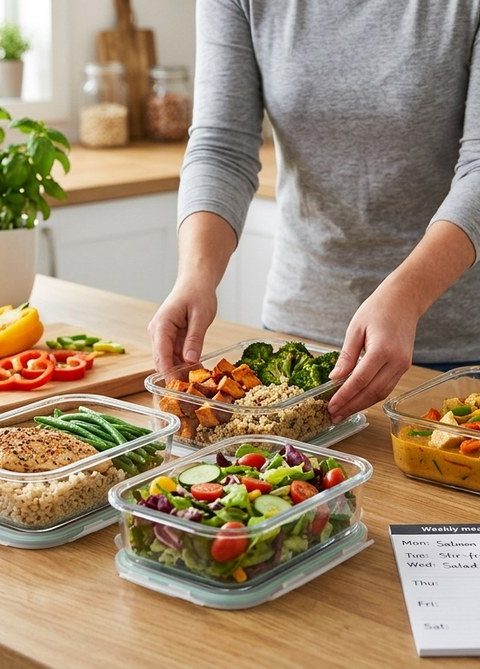
How to build a weekly meal plan using ingredients you already have works perfectly with seasonal shopping. You stock up on what’s abundant and cheap, then build meals around those ingredients instead of forcing recipes that require expensive, out-of-season items.
Regional Differences Change the Calendar
California cooks enjoy year-round growing seasons that make almost everything available most months. Minnesota cooks face hard freezes that limit fresh produce to summer and fall, with storage crops carrying them through winter.
Southern states grow greens through winter. Northern states grow greens in spring and fall but struggle with summer heat. Coastal regions extend seasons at both ends compared to inland areas with harsher temperature swings.
Your farmers market reveals your specific regional calendar better than any national guide. Visit once per month for a year and you’ll understand exactly what grows when in your area.
Some regions have two seasons for certain crops. Tomatoes might peak in June and again in September, with a hot August gap. Lettuce grows in spring and fall but bolts in summer heat. Pay attention to these patterns and you’ll shop smarter.
Making Seasonal Cooking Practical for Busy Weeks
Seasonal shopping doesn’t require extra time or complicated meal planning. These strategies fit into normal routines.
Shop the perimeter first. Seasonal produce sits in the main produce section, not the center aisles. Walk the perimeter, see what looks good and costs less, then grab your pantry staples.
Keep it simple during peak season. Perfect produce needs minimal cooking. Roast it, grill it, or eat it raw. Save complex recipes for winter when you need more technique to make storage crops interesting.
Batch cook when prices drop. Make a big pot of tomato sauce in August. Roast several trays of vegetables on Sunday. Freeze portions for later. You’re cooking once but eating that effort for weeks.
Use the freezer as your second season. Frozen summer berries in January taste better than fresh winter berries. Your freezer extends every season by months.
Accept that some meals won’t be seasonal. You don’t need to be perfect. Buy what makes sense when it makes sense, and use frozen or canned alternatives when fresh options are expensive or poor quality.
What Seasonal Shopping Actually Costs
Seasonal produce costs 30 to 50 percent less than the same items out of season. That difference adds up fast.
A pound of tomatoes in August costs about $2. The same tomatoes in January cost $4 to $5. If you eat two pounds of tomatoes per week, shopping seasonally saves you $6 weekly, or about $300 annually just on tomatoes.
Berries show even bigger swings. Summer blueberries cost $3 per pint. Winter blueberries cost $6 to $8 per pint. A family eating two pints weekly saves $300 to $500 per year by buying fresh berries only in season and switching to frozen the rest of the year.
These savings compound across your entire produce budget. Most families spend $100 to $200 monthly on fruits and vegetables. Shopping seasonally can cut that by $30 to $60 monthly without reducing quantity or variety.
Your Seasonal Cooking Foundation
Seasonal shopping isn’t about perfection or rigid rules. It’s about paying attention to what’s abundant right now and letting that guide your meals.
Start by noticing what costs less this week compared to last month. Buy that. Cook it simply. Repeat next week with whatever replaced it as the best deal.
After a few months, you’ll naturally know when to wait for better strawberries and when to buy potatoes in bulk. The calendar will feel automatic because you’ve watched it happen in real time at your own store.
Your grocery budget will thank you, but more importantly, your meals will taste better. That’s the real reward for shopping with the seasons instead of against them.