Pepper once cost more per pound than silver. Nutmeg sparked wars. Cinnamon drove explorers across oceans they feared would swallow them whole. The spice trade history isn’t just a footnote in textbooks. It’s the story of how flavor reshaped economies, toppled empires, and connected distant cultures in ways that still influence what you reach for when you cook dinner tonight.
The spice trade history spans thousands of years, connecting Asia, Europe, Africa, and the Americas through routes that transformed economies and cuisines. Pepper, cinnamon, cloves, and nutmeg drove exploration, colonization, and cultural exchange. Understanding this history reveals how your spice cabinet holds remnants of ancient power struggles, maritime innovation, and the globalization that began long before the internet.
Ancient Beginnings of the Spice Routes
Spices traveled across continents before most maps existed.
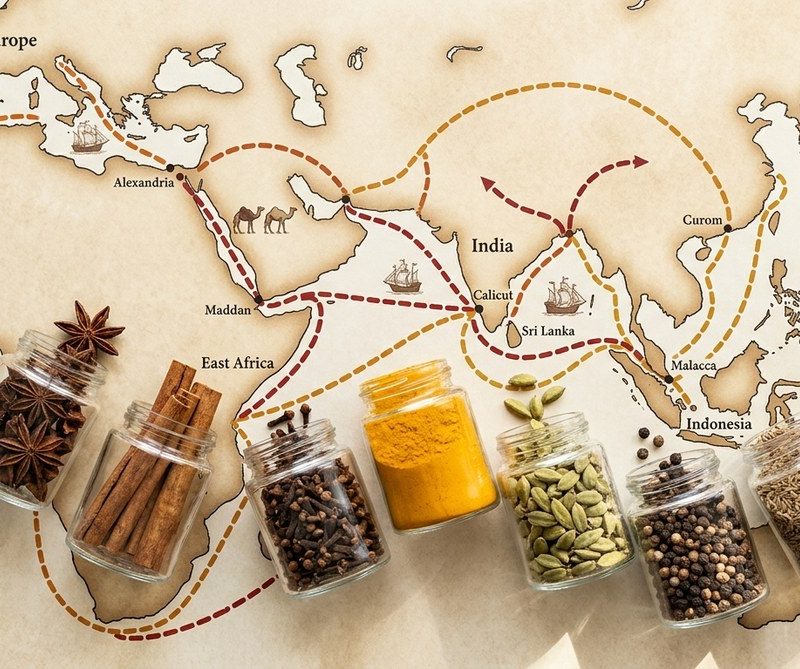
Around 2000 BCE, cinnamon from Sri Lanka appeared in Egyptian tombs. Pharaohs used it for embalming. The journey from South Asia to North Africa required multiple intermediaries, each adding cost and mystery to the final product.
Arab traders controlled early spice routes, carefully guarding their sources. They spun tales of cinnamon birds and valleys filled with venomous snakes to protect their monopolies. European buyers had no choice but to pay premium prices for goods they couldn’t source themselves.
The Silk Road, established around 130 BCE, became the primary overland route. Caravans carried pepper, ginger, and cardamom from India through Central Asia to Mediterranean ports. The journey could take years. Bandits, harsh climates, and political instability made every shipment a gamble.
Maritime routes developed alongside land paths. Monsoon winds allowed sailors to cross the Indian Ocean with some predictability. By 100 CE, Roman ships regularly sailed to Indian ports, returning with black pepper that Roman elites used to display wealth at banquets.
“He who controls the spice, controls the trade.” This wasn’t just medieval wisdom. It was economic reality for millennia.
Why Spices Commanded Astronomical Prices
Scarcity drove value, but preservation needs sealed the deal.
Before refrigeration, meat spoiled fast. Salt helped, but spices did more. They masked off flavors, yes, but they also had genuine antimicrobial properties. Cloves, cinnamon, and black pepper extended the edible life of food in ways that made them kitchen necessities for anyone who could afford them.
Medical beliefs amplified demand. Medieval European physicians prescribed spices for everything from plague prevention to digestive issues. Nutmeg supposedly cured the Black Death. It didn’t, but the belief drove prices higher during outbreaks.
Status mattered enormously. A well-stocked spice collection signaled wealth and sophistication. Guests at banquets judged hosts by the variety and quantity of spices in dishes. Pepper appeared in wills alongside gold and land.
Here’s what made spices so valuable in medieval Europe:
- Geographic monopolies: Only specific regions grew certain spices
- Transport costs: Multiple middlemen, each taking a cut
- Preservation challenges: Spices lost potency during long journeys
- Limited supply: Weather, politics, and pirates disrupted shipments
- Cultural cachet: Exotic origins added mystique and desirability
The price differential was staggering. A pound of saffron in 15th-century London could cost as much as a horse. Pepper functioned as currency in some transactions. Landlords accepted it as rent payment.
The Age of Exploration Begins With Spice
Christopher Columbus wasn’t looking for a new continent. He wanted a shortcut to pepper.
European powers grew tired of paying Ottoman and Venetian middlemen. Portugal took the lead in finding alternative routes. Prince Henry the Navigator funded expeditions down the African coast throughout the 1400s, hoping to reach the spice-rich Indies by sailing around Africa.
Vasco da Gama succeeded in 1498. His ships returned to Lisbon loaded with pepper and cinnamon purchased directly from Indian merchants. The profits from that single voyage reportedly paid for the expedition sixty times over.
Spain, not wanting to be left behind, funded Columbus’s westward attempt. He found the Caribbean instead of Indonesia, but he brought back chili peppers, allspice, and vanilla. These New World spices would eventually transform global cuisines, even if they disappointed investors hoping for Asian pepper.
The race intensified. Here’s how major powers pursued spice dominance:
- Portugal (1500s): Established fortified trading posts in Goa, Malacca, and the Moluccas
- Spain (1521): Magellan’s expedition reached the Philippines, claiming the spice islands for Spain
- Netherlands (1602): Founded the Dutch East India Company, eventually controlling Indonesian spice production
- England (1600): Chartered the British East India Company to compete for Indian Ocean trade
- France (1664): Created the French East India Company, focusing on Indian ports
Each expedition brought violence alongside commerce. Indigenous populations faced displacement, forced labor, and brutal reprisals for resistance. The Banda Islands lost most of their population when the Dutch enforced a nutmeg monopoly through massacre and enslavement.
How the Dutch East India Company Changed Everything
The VOC (Vereenigde Oostindische Compagnie) wasn’t just a trading company. It was a proto-corporation with its own army, navy, and the power to wage war.
Founded in 1602, the VOC received a government charter granting monopoly rights over Dutch trade in Asia. It could negotiate treaties, build forts, and administer colonial law. Shareholders received dividends from spice profits that made some of them extraordinarily wealthy.
The company’s strategy was ruthless efficiency. They didn’t just trade for spices. They controlled production at the source. In the Banda Islands, the center of nutmeg cultivation, the VOC exterminated or expelled the native population and replaced them with enslaved laborers and Dutch colonists.
They burned excess spice harvests to keep prices high. Destroying perfectly good cloves and nutmeg maintained artificial scarcity in European markets. Profit mattered more than abundance.
The VOC’s business model influenced modern corporations. It issued shares, paid dividends, and operated with limited liability for investors. The Amsterdam Stock Exchange, where VOC shares traded, became the world’s first formal stock market.
Common Misconceptions About Spice Trade History
| Myth | Reality |
|---|---|
| Spices primarily masked rotten meat | Wealthy Europeans who could afford spices could also afford fresh meat; spices enhanced flavor and had preservative properties |
| Columbus discovered America by accident | He intentionally sailed west seeking a spice route but miscalculated Earth’s size |
| The spice trade was purely economic | Religion, politics, and territorial expansion were equally important motivations |
| Only exotic spices mattered | Common herbs like parsley and sage were also traded, though less profitably |
| Europeans introduced spices to new regions | Many spices already traveled along African and Asian routes before European involvement |
Regional Cuisines Transformed by Spice Routes
The spice trade didn’t just move products. It moved culinary knowledge.
Indian cuisine absorbed New World chilies so completely that many people assume they’re indigenous. Portuguese traders brought chili peppers to Goa in the 1500s. Within generations, they became central to regional cooking across the subcontinent.
Thai food underwent similar transformation. Chilies arrived via Portuguese and Spanish trade routes. Thai cooks integrated them with existing flavor profiles built around galangal, lemongrass, and lime leaves. The result became what we recognize as Thai cuisine today.
European cooking changed too. Medieval recipes relied heavily on imported spices like cinnamon, ginger, and cloves. As trade routes stabilized and prices dropped, these ingredients moved from aristocratic tables to middle-class kitchens. The shift democratized flavor.
Caribbean cuisine emerged from collision and exchange. African cooking techniques met indigenous ingredients and European spice preferences. Enslaved Africans used available spices like allspice and Scotch bonnet peppers to create dishes that connected to memories of home while adapting to new circumstances.
Understanding why we eat what we eat requires looking at these historical trade patterns. Geography determined what grew where, but trade routes determined what became available everywhere else.
The Decline of Spice Monopolies
Several factors broke the stranglehold on spice supplies.
Colonial powers began transplanting spice crops to their own territories. The French successfully grew cloves in Mauritius and Réunion. The British cultivated nutmeg in Grenada and cinnamon in India. These new sources undermined the Dutch monopoly on Indonesian spices.
Agricultural improvements increased yields. Better cultivation techniques meant more spices reached markets. Increased supply naturally lowered prices, making spices accessible to more people.
Political changes mattered too. The VOC dissolved in 1799, bankrupt from corruption and military overextension. The British East India Company lost its trade monopoly in 1813. Free trade advocates argued against corporate monopolies, opening spice commerce to smaller merchants.
Transportation improvements accelerated the trend. Steamships reduced voyage times and costs. The Suez Canal, opened in 1869, shortened the route from Asia to Europe by thousands of miles. What once took months now took weeks.
By the late 1800s, pepper cost a fraction of its medieval price. Cinnamon, once worth more than gold, became a common baking ingredient. The democratization of spices fundamentally changed cooking across economic classes.
Spices in Medicine and Science
Ancient medical uses weren’t entirely wrong.
Modern research confirms antimicrobial properties in many spices. Clove oil contains eugenol, which kills bacteria and fungi. Cinnamon has compounds that inhibit microbial growth. These properties made spices genuinely useful for food preservation, even if medieval physicians misunderstood the mechanisms.
Turmeric, traded along spice routes for millennia, contains curcumin. Current research studies its anti-inflammatory properties. What Ayurvedic practitioners knew empirically, scientists now investigate with controlled trials.
Ginger’s effectiveness against nausea has clinical support. It was traded as a medicinal commodity long before becoming a common cooking ingredient in Western kitchens.
The pharmaceutical industry still extracts compounds from spices. Capsaicin from chili peppers appears in pain relief creams. Piperine from black pepper enhances the absorption of certain medications.
How Spice Trade History Connects to Your Kitchen Today
Your spice cabinet is a museum of global exchange.
Black pepper from Vietnam, cinnamon from Sri Lanka, vanilla from Madagascar, and cumin from India represent trade networks that span centuries. The fact that you can buy all of them at a grocery store for less than an hour’s wages would astonish anyone living before 1900.
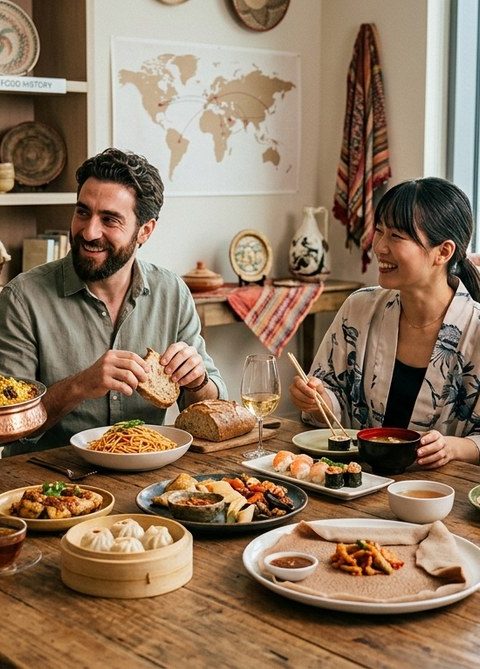
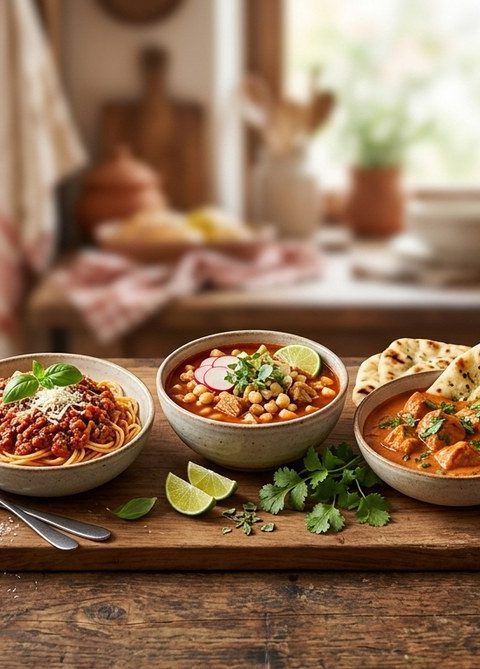
Global cuisine became possible because of these historical trade routes. You can make Thai curry, Indian biryani, Mexican mole, or Moroccan tagine at home because spices that once required year-long voyages now arrive via container ships and distribution networks.
The legacy includes darker elements too. Colonial exploitation, forced labor, and cultural destruction accompanied spice commerce. Understanding this history means recognizing that convenience often came at tremendous human cost.
Modern spice sourcing faces new challenges. Climate change threatens growing regions. Fair trade movements attempt to address economic inequities that echo historical exploitation. Knowing where your spices come from and how workers are compensated connects you to ongoing chapters of this story.
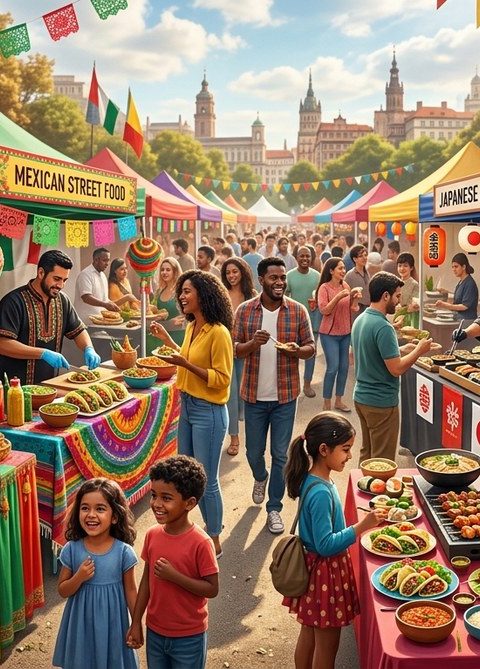
If you’re interested in experiencing how different cultures use spices firsthand, consider planning culinary travel. Street food adventures often showcase regional spice traditions in their most authentic forms.
Practical Steps to Appreciate Spice Trade Legacy
You can connect with this history through your own cooking.
- Source spices intentionally: Buy from companies that disclose origin and pay fair wages
- Learn traditional uses: Research how cultures of origin use specific spices
- Experiment with whole spices: Grinding fresh releases oils that pre-ground versions lose
- Create spice blends: Mix your own garam masala, ras el hanout, or curry powder
- Visit spice markets: If you travel, seek out local spice vendors and ask questions
Storing spices properly honors their journey to your kitchen. Keep them in airtight containers away from light and heat. Whole spices last longer than ground. Label them with purchase dates and replace them when they lose potency.
Try cooking dishes that showcase single spices. A simple cinnamon rice pudding or black pepper cacio e pepe lets you taste what made these ingredients valuable enough to launch ships and fund expeditions.
Understanding traditional food rituals often reveals how communities integrated traded spices into cultural practices that persist today.
The Lasting Impact on Global Economics
The spice trade established patterns that define modern commerce.
Joint-stock companies, international banking, maritime insurance, and commodity futures markets all developed to support spice commerce. These financial instruments now underpin global capitalism, but they originated to manage the risks and profits of shipping pepper and cinnamon across oceans.
The concept of calculated risk in business investment traces directly to spice voyage financing. Merchants spread investments across multiple ships, knowing some would sink but others would return with profitable cargo. This portfolio approach became fundamental to modern investing.
Currency exchange systems developed to facilitate spice payments across regions using different monetary systems. Bills of exchange, letters of credit, and other banking instruments emerged to move value without physically transporting gold and silver.
Labor systems changed too. The plantation model developed for spice cultivation in colonized territories later applied to sugar, cotton, and coffee. The economic structures built for spice commerce shaped centuries of global labor exploitation.
From Luxury to Everyday Ingredient
The transformation of spices from treasure to pantry staple represents one of history’s most significant economic shifts.
In 1400, a pound of ginger cost as much as a sheep. Today, it costs less than a fancy coffee. This price collapse resulted from increased supply, improved transportation, and the breaking of monopolies.
The change affected cooking profoundly. When spices were precious, cooks used them sparingly and strategically. Recipes specified exact amounts because waste was unthinkable. As prices dropped, experimentation became possible. Home cooks could afford to try new combinations without risking significant money.
Restaurant culture benefited enormously. Affordable spices allowed restaurants to offer diverse cuisines. Thai, Indian, Mexican, and Middle Eastern restaurants became viable businesses in cities far from their origin regions because ingredient costs dropped low enough to make menu prices competitive.
The variety available today would astound historical traders. Supermarkets stock fifty or more spice varieties. Specialty shops offer hundreds. Online retailers ship obscure regional spices globally. Access that once required royal wealth now requires an internet connection.
Your Spice Cabinet Tells Stories
Every jar represents journeys, innovations, and exchanges that shaped the modern world.
That cinnamon you sprinkle on oatmeal sparked Portuguese expeditions around Africa. The black pepper on your table funded the Dutch East India Company’s colonial empire. Vanilla extract connects to Aztec cultivation and later plantation systems in Madagascar.
Nutmeg’s story includes genocide. Cloves link to Zanzibar’s plantation economy. Turmeric traces to ancient Ayurvedic medicine and modern wellness trends. Each spice carries layers of human experience, from cultivation to commerce to the cook who first figured out it made food taste better.
Understanding spice trade history doesn’t diminish the pleasure of using these ingredients. It deepens it. You’re participating in exchanges that have connected cultures for millennia. The simple act of seasoning food links you to traders, sailors, farmers, and cooks across centuries and continents.
The next time you reach for your spice rack, remember that you’re accessing abundance that previous generations could barely imagine. What was once precious enough to launch wars now sits within arm’s reach, ready to transform your cooking with flavors that traveled the world to reach you.