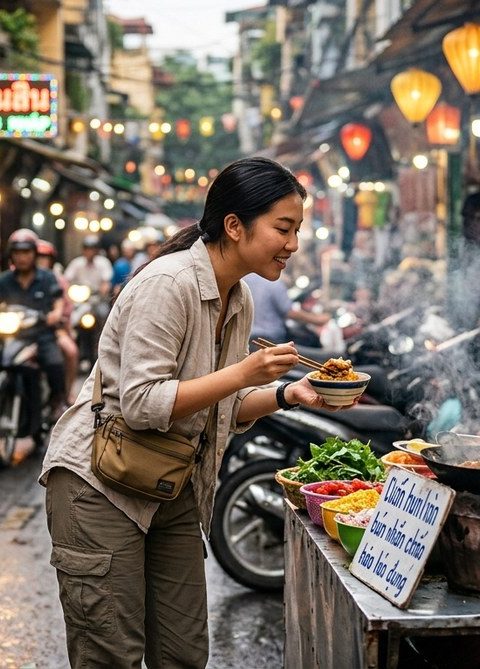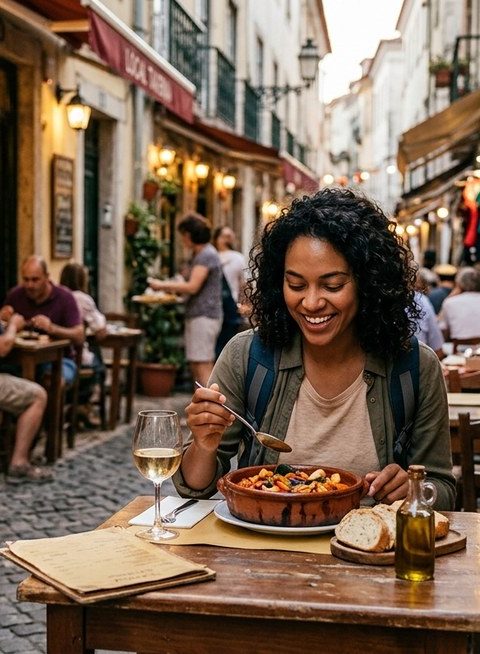
Food carries stories. It reveals history, culture, and identity in every bite. Around the globe, many communities uphold culinary customs that are as old as they are remarkable. These unique food traditions often originate in remote corners, where local ingredients, climate, and cultural beliefs shape distinctive dishes. Exploring these customs offers a window into the diverse ways humans celebrate, preserve, and pass down their heritage through food.
The magic of traditional food customs
Traditional food practices are more than just recipes; they are cultural identities. They often involve intricate preparation techniques, specific rituals, and symbolism that tie communities together. For many remote regions, these customs serve to maintain a sense of belonging amidst changing times. They can also be a vital part of religious ceremonies, seasonal festivals, and rites of passage.
Understanding these traditions enriches our appreciation of global culinary diversity. It also inspires us to try new techniques, ingredients, and flavors that might otherwise be overlooked.
Unique food traditions around the world highlight cultural history, craftsmanship, and local ingredients. They often involve rituals and techniques passed down through generations, offering a richer understanding of global diversity in cuisine.
Remote regions with extraordinary culinary customs
Many food traditions thrive in isolated areas where access to fresh ingredients and cultural preservation is strong. Such communities often develop unique dishes that are not widely known outside their borders. These customs can be deeply rooted in local environments, climate, and spiritual beliefs.
Hidden gems from far-flung corners
Some of the most fascinating food practices come from communities that are geographically distant or culturally distinct. These include indigenous groups, island dwellers, mountain tribes, and desert villages. Their culinary customs often involve preservation techniques, fermentation, or special cooking methods adapted to their environment.
Examples of remarkable food traditions around the world
Let’s look at some extraordinary culinary customs that showcase the diversity of global food culture. These traditions offer insights into local history, environment, and social values.
1. Fermented fish in the Arctic
In the far north, indigenous peoples ferment fish in a process that can take months. This tradition, vital for survival in harsh climates, results in a pungent but treasured delicacy. The fermentation process involves burying fish in the ground or storing it in clay jars, allowing natural enzymes to develop complex flavors. This custom preserves nutrients and creates a unique taste that is central to Arctic cuisine.
2. Yak butter tea in Tibet
In the high-altitude regions of Tibet, yak butter tea is a staple. Made from tea leaves, yak butter, and salt, it provides essential calories and warmth. The preparation involves churning the tea in a traditional vessel until frothy. This drink embodies the hardy spirit of Tibetan culture and sustains villagers during cold winters.
3. Insect delicacies in Southeast Asia
Some remote parts of Southeast Asia have developed a taste for insects like crickets, grasshoppers, and silk worms. These protein-rich foods are often roasted or fried and enjoyed as snacks or ingredients in dishes. Insects play a vital role in local diets, especially in areas where traditional livestock farming is limited.
4. Plant-based fermentation in the Amazon
Indigenous tribes in the Amazon basin ferment a variety of local ingredients, producing traditional beverages and condiments. For example, the fermented manioc (cassava) creates a sour drink that is part of ceremonial rituals. These fermentation techniques preserve food and add complex flavors aligned with spiritual practices.
5. Salt harvesting in the Sahara
In the deserts of North Africa, communities harvest salt from salt flats through evaporation. This salt is then used in cooking and trade. The process involves collecting salt crystals as water evaporates under the sun. It showcases ingenuity in utilizing limited resources and forms a cornerstone of local culinary and economic life.
How to appreciate and learn from these traditions
Understanding unique food customs requires respect and curiosity. If you’re interested in experiencing them firsthand, consider traveling to remote regions with guided tours or culinary workshops. Always approach with cultural sensitivity and a willingness to learn.
Practical steps to explore unique food traditions
- Research local customs: Before visiting, read about the region’s food practices.
- Join guided tours: Local guides can explain the significance behind dishes and techniques.
- Participate respectfully: Engage in food preparation or rituals with humility.
- Try authentic dishes: Be open to tasting foods that may seem unfamiliar or challenging.
- Support local artisans: Purchase traditional ingredients or handmade utensils to preserve these customs.
Techniques and common pitfalls
| Technique | Mistake to Avoid |
|---|---|
| Fermentation | Using contaminated containers or rushing the process |
| Drying and preserving | Not controlling humidity, leading to spoilage |
| Cooking over open fire | Overcooking or uneven heating |
| Using local ingredients | Ignoring seasonal availability or harvesting sustainably |
“Respect for local customs and an open mind are essential when exploring culinary traditions. These practices are often tied to community identity and spiritual beliefs, so approach with reverence.” — Food anthropologist Dr. Lisa Martinez
Preserving and sharing the world’s culinary heritage
As modern life encroaches on traditional ways, many of these unique food customs face decline. Documenting and sharing them helps keep these practices alive. Writers, chefs, and travelers can play a role by highlighting stories behind dishes and techniques.
Supporting initiatives that promote cultural preservation ensures future generations can enjoy and learn from these culinary treasures.
A culinary journey worth taking
Tasting and understanding unique food traditions around the world enriches our appreciation for human ingenuity and cultural diversity. They remind us that food is more than sustenance; it’s a language that connects communities, preserves history, and celebrates life’s richness.
By approaching these customs with curiosity and respect, we can deepen our culinary knowledge and foster cross-cultural understanding. Whether through travel, cooking, or storytelling, embracing such traditions broadens our gastronomic horizons and nurtures a global sense of community.
Keep the tradition alive in your kitchen
Incorporate lessons from remote culinary customs into your own cooking. Try fermenting vegetables inspired by Amazonian techniques, or experiment with spice blends used in Tibetan butter tea. Respect the origins, and adapt practices thoughtfully. Celebrating culinary diversity starts with curiosity and a willingness to learn from the world’s many food stories.