You sit down at a new restaurant. The menu arrives. Three pages of dishes you can barely pronounce, prices that seem random, and descriptions loaded with terms you’ve never heard of. You want to order something amazing, but you’re not sure where to start.
Reading a restaurant menu is more than scanning for familiar words or picking the cheapest option. Chefs design menus with deliberate strategy, highlighting their best work while guiding you toward certain choices. Understanding these patterns transforms you from a confused diner into someone who orders with confidence and walks away satisfied every time.
[Restaurant menus](https://en.wikipedia.org/wiki/Menu) follow predictable patterns that reveal which dishes are freshest, most profitable, and chef-approved. By understanding menu layout psychology, decoding culinary terminology, recognizing quality indicators, and asking strategic questions, you can consistently order better meals. Chefs place their signature dishes strategically, use descriptive language to justify pricing, and design menus to guide your attention toward high-margin items and seasonal specialties.
Start With the Menu Structure
Most restaurant menus follow a predictable layout. Appetizers come first, followed by salads, entrees, and desserts. But the real information lives in how dishes are positioned within each section.
The top right corner of any menu section gets the most attention. Restaurants place high-profit items there because your eyes naturally land on that spot first. The very first item in a category and the last item also perform well, so chefs often position their favorites in these prime locations.
Look for dishes with boxes around them, different fonts, or extra white space. These visual cues signal house specialties. A chef who takes pride in their wood-fired pizzas will make sure those items stand out. When a restaurant uses design elements to highlight specific dishes, they’re telling you what they do best.
Pay attention to how much description each dish receives. A simple listing like “Grilled Chicken” with no elaboration suggests a basic preparation. Meanwhile, “Herb-Roasted Chicken with Lemon Confit, Baby Carrots, and Fingerling Potatoes” indicates more care, technique, and probably better ingredients.
Decode the Language Patterns
Menu writers use specific words to justify higher prices and create perceived value. Understanding this vocabulary helps you separate marketing from substance.
Terms like “house-made,” “scratch-made,” or “prepared in-house” indicate the kitchen makes components from raw ingredients rather than buying pre-made versions. This usually means better quality and justifies a higher price point. A restaurant making their own pasta or curing their own meats invests significant labor into their food.
Seasonal indicators matter. Words like “spring,” “summer harvest,” or “winter” suggest the kitchen changes ingredients based on what’s fresh. Restaurants that adapt their menus seasonally typically care more about ingredient quality than those serving the same items year-round.
Geographic specificity adds credibility. “Atlantic Halibut” tells you more than “Fresh Fish.” “Vermont Cheddar” signals quality over generic “Cheese.” When a menu names the farm, region, or producer, the restaurant wants you to know they source carefully.
Cooking methods reveal technique levels. “Pan-seared” and “roasted” are straightforward. “Sous vide,” “confit,” or “braised” indicate more advanced preparations that require time and skill. These dishes often represent a chef’s technical abilities better than simpler preparations.
A chef once told me that any dish with more than seven ingredients on the menu is either their signature creation or something they’re particularly proud of. The extra detail means they want you to appreciate the complexity.
Spot the Quality Indicators
Certain menu characteristics signal whether a restaurant prioritizes quality or profit margins.
Shorter menus typically mean better food. A kitchen that tries to do everything usually does nothing exceptionally well. When you see a menu with six appetizers, eight entrees, and four desserts, the chef likely focuses on executing those dishes properly rather than maintaining a freezer full of backup options.
Odd numbers often indicate market pricing and fresh ingredients. A fish special priced at $34 instead of $35 suggests the cost fluctuates based on daily market rates. Round numbers like $20, $25, or $30 often apply to items with stable ingredient costs.
Look for dishes that seem difficult to execute. A perfectly cooked piece of fish requires more skill than a braised short rib that can sit in liquid for hours. Delicate preparations like raw preparations, souffles, or dishes with multiple components that need precise timing show kitchen confidence.
Notice what’s missing. If a steakhouse doesn’t offer chicken, or an Italian restaurant skips the generic marinara pasta, they’re staying in their lane. Restaurants that resist the urge to please everyone usually do their specialty better.
Follow This Reading Strategy
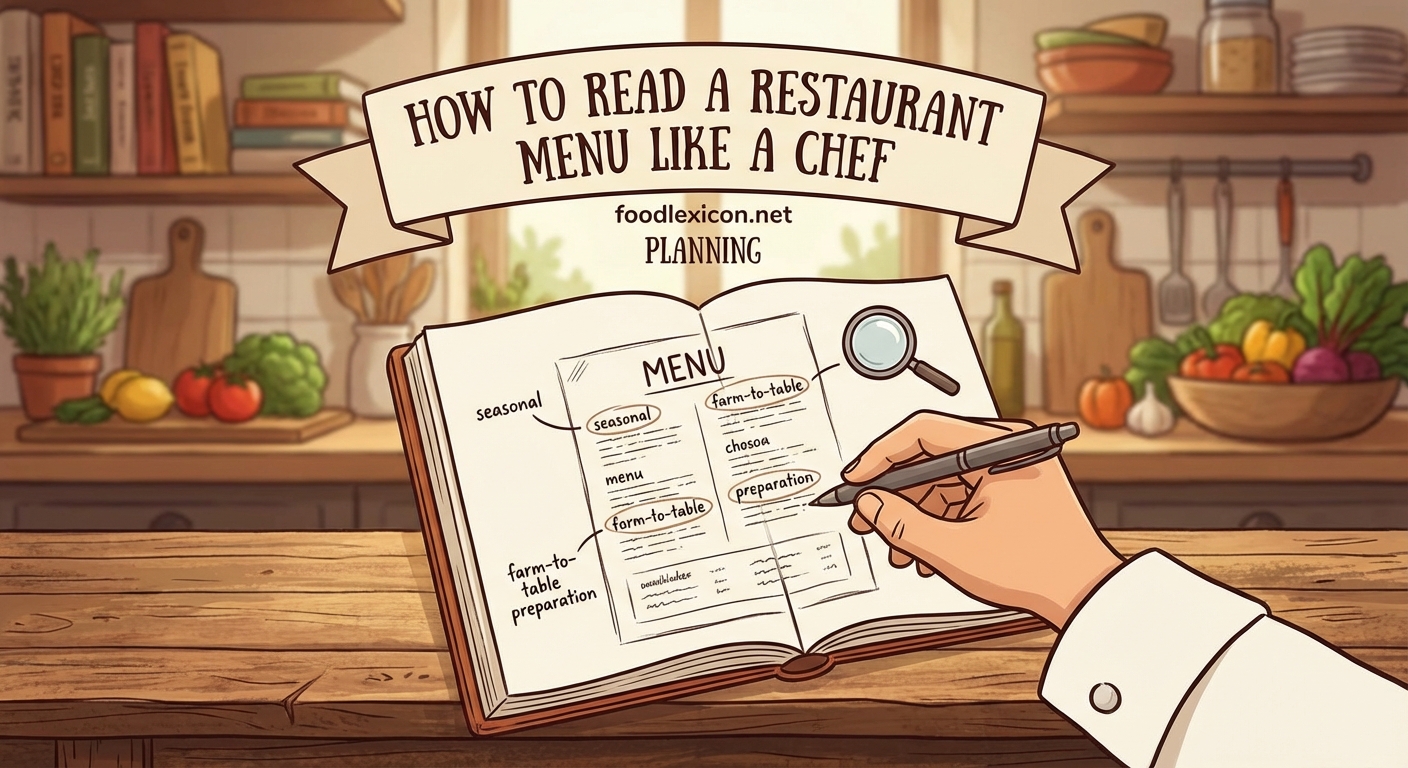
Reading a menu strategically helps you make better decisions without getting overwhelmed.
- Scan the entire menu first without committing to anything. Get a sense of the restaurant’s style, price range, and what they emphasize.
- Identify the restaurant’s specialty based on their name, concept, or what takes up the most menu space. Order within that specialty rather than against it.
- Look for the chef’s signatures or house specialties, usually marked with icons, asterisks, or special formatting.
- Check for seasonal specials or verbal specials your server mentions, which often feature the freshest ingredients.
- Consider what you can’t easily make at home, especially if you’re paying premium prices.
- Read the sides and accompaniments carefully, as these often determine whether a dish suits your preferences.
This approach takes two minutes but dramatically improves your ordering success rate.
Understand Menu Psychology Tactics
Restaurants use psychological principles to influence your choices. Recognizing these patterns helps you order what you actually want rather than what the menu pushes you toward.
| Tactic | What It Means | How to Respond |
|---|---|---|
| No dollar signs | Makes prices feel less concrete and encourages spending | Set a mental budget before opening the menu |
| Decoy pricing | One very expensive item makes others seem reasonable | Ignore the highest-priced item and evaluate others independently |
| Strategic placement | Best margins in top right corner and first/last positions | Look at middle items that might be overlooked |
| Lengthy descriptions | More words justify higher prices and create value perception | Assess if the ingredients and preparation warrant the cost |
| Limited options | “Only 3 available tonight” creates urgency | Consider if you genuinely want it or just fear missing out |
| Nostalgic language | “Grandma’s recipe” or “traditional” creates emotional connection | Evaluate the actual dish components, not the story |
Restaurants aren’t trying to trick you. They’re running a business and highlighting what they do well. But understanding these tactics helps you make decisions based on your preferences rather than menu design.
Ask the Right Questions
Your server knows which dishes consistently come back half-eaten and which ones get photographed before anyone takes a bite. Use that knowledge.
“What do you recommend?” is too broad. Instead, ask “What are your three favorite dishes?” or “What do regulars always order?” These questions get more honest answers because they’re personal rather than scripted.
“What’s the chef known for?” reveals the kitchen’s strengths. A chef who built their reputation on pasta will put more care into those dishes than the afterthought burger they added for picky eaters.
“What’s fresh today?” or “What just came in?” helps you find the best ingredients. Restaurants receive deliveries on specific days, and chefs get excited about prime ingredients.
“Can you tell me more about how this is prepared?” works better than asking if something is good. Servers will describe cooking methods, portion sizes, and flavor profiles, giving you better information than a simple yes or no.
“What would you order if you were eating here tonight?” removes the professional recommendation filter and gets a genuine opinion.
Don’t hesitate to ask about unfamiliar terms. “What does confit mean?” or “How spicy is this dish?” are perfectly reasonable questions. Servers would rather explain than have you send back a dish you didn’t understand.
Recognize Red Flags and Green Lights
Some menu characteristics signal problems, while others indicate you’re in good hands.
Red flags to watch for include:
- Extensive menus with dozens of options across multiple cuisines
- Generic descriptions like “delicious” or “mouthwatering” without specifics
- Photos of every dish, which often indicates reheated or pre-made food
- Identical pricing across unrelated proteins (chicken, fish, and steak all cost the same)
- Misspellings or grammatical errors suggesting lack of attention to detail
- Overly complex dishes with ten or more components
Green lights that suggest quality:
- Focused menus that do one thing really well
- Specific ingredient sources and preparation methods
- Prices that vary based on ingredient cost and preparation complexity
- Seasonal menu changes or rotating specials
- Simple, confident descriptions that don’t oversell
- A few unusual or creative dishes alongside familiar options
These patterns aren’t absolute rules, but they provide useful signals about what to expect.
Navigate Different Restaurant Types
Different restaurant styles require different reading strategies.
Fine dining menus often use French terms and minimal descriptions. Don’t let fancy language intimidate you. These restaurants expect questions and train servers to explain everything. The tasting menu option often showcases the chef’s best work if you’re willing to surrender control.
Casual restaurants typically organize menus by protein or preparation style. Look for items marked as signatures or chef’s favorites. These places usually have one or two dishes that define them, even if they offer variety.
Ethnic restaurants present the biggest terminology challenge. When dining at a cuisine you’re unfamiliar with, ask your server what dishes best represent that culture’s cooking. Avoid Americanized versions unless that’s specifically what you want. The dishes without English translations or explanations are often the most authentic.
Brunch menus hide their best items in plain sight. The dishes with the most components or unusual combinations usually represent the chef’s creativity more than standard eggs benedict variations.
If you’re planning a week-long culinary journey through Tuscany or 48 hours in Bangkok’s street food scene, understanding local menu conventions becomes even more valuable.
Consider the Context and Timing
When you visit a restaurant affects what you should order. Timing matters more than most diners realize.
Lunch menus often feature simplified versions of dinner dishes or items that cook faster. The kitchen might not have the same staffing level, so intricate preparations might not receive the same attention they would at dinner service.
Weekend brunch brings the highest volume at many restaurants. Popular items get pre-prepped, which can mean less customization but more consistent execution. The dishes that seem simple probably represent what the kitchen can handle during the rush.
Early dinner service, right when a restaurant opens, means you’re getting the freshest prep work. The kitchen is fully staffed but not yet stressed. Late dinner service can mean running out of specials or ingredients, but it also means the kitchen is fully warmed up and in rhythm.
Seasonal timing affects ingredient quality dramatically. Tomatoes in January and oysters in summer are technically available but rarely at their best. Order with the seasons rather than against them.
Balance Adventure and Safety
Every menu requires a decision between familiar comfort and new experiences.
If you’re dining with others, consider ordering different types of dishes and sharing. This strategy lets you try the chef’s creative special while also getting something you know you’ll enjoy. You’re not committed to loving every bite of an unfamiliar dish if you can taste your companion’s more traditional choice.
Start with one adventurous element rather than ordering something completely foreign. If you typically order chicken, try it prepared in an unfamiliar style rather than jumping straight to an ingredient you’ve never heard of.
Use appetizers and sides to test a restaurant’s capabilities before committing to an expensive entree. A well-executed simple appetizer suggests the kitchen has solid fundamentals.
Pay attention to what tables around you are eating. If three nearby tables all ordered the same dish, that’s valuable information. Restaurants have signature items that locals know about, and watching what others choose reveals these patterns.
Some of the world’s most interesting dining experiences, like underground supper clubs or adventurous food challenges, require more trust and risk tolerance than traditional restaurants. Building your menu-reading skills at conventional establishments prepares you for these more adventurous experiences.
Make Peace With Your Decision
Analysis paralysis ruins more meals than bad choices. At some point, you need to commit.
Remember that most restaurants want you to enjoy your meal. They’re not trying to serve you something terrible. If you’ve done basic research, asked a few questions, and chosen something that appeals to you, trust that decision.
If you order something you don’t love, that’s information for next time. You learned something about your preferences or that restaurant’s strengths. Not every meal needs to be transcendent.
Don’t let others’ opinions override your own preferences. If everyone raves about the spicy dish but you don’t enjoy heat, order something else. The “best” item on any menu is the one you’ll actually enjoy eating.
Skip the post-order second-guessing. Once you’ve placed your order, commit to enjoying what arrives rather than wondering if the other option would have been better.
Your Menu Mastery Starts Now
Reading a restaurant menu well doesn’t require professional training or an encyclopedic knowledge of culinary terms. It requires attention to patterns, willingness to ask questions, and confidence in your own preferences.
The next time you sit down at a restaurant, take an extra minute to really look at the menu structure. Notice which dishes get special treatment. Ask your server one thoughtful question. Order something the restaurant is known for rather than playing it safe with the most generic option.
These small changes add up to better meals, less money wasted on disappointing dishes, and more confidence every time you dine out. You’ll start noticing the care that good restaurants put into their menus, and you’ll develop instincts about which dishes will deliver and which ones to skip. That’s not being picky. That’s being an informed diner who gets more value and enjoyment from every restaurant experience.