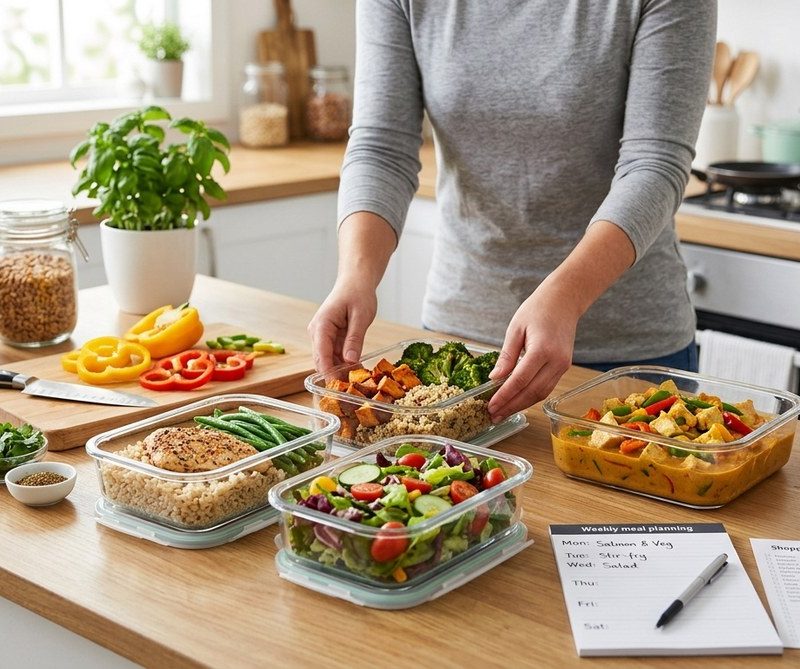
Getting dinner on the table after a long day can feel like a chore. Between work, errands, and family commitments, finding time to cook fresh, nutritious meals often takes a backseat. Meal prep offers a way to streamline your cooking routine, saving you hours each week and reducing the daily stress of deciding what to eat. With the right tips and strategies, you can turn meal prep into a manageable, even enjoyable part of your routine.
Mastering meal prep involves planning, organizing, and smart cooking techniques. Incorporate simple strategies to save time, reduce waste, and stay consistent with healthy eating habits throughout the week.
Understanding the foundation of meal prep
Meal prep is more than just cooking in advance. It involves thoughtful planning, choosing the right ingredients, and utilizing techniques that maximize efficiency. To succeed, it helps to understand some key culinary terms and concepts, such as batch cooking, mise en place, and proper storage methods. Building a solid knowledge base allows you to adapt strategies to your unique schedule and preferences.
Practical steps to streamline your weekly cooking
-
Plan your meals ahead of time
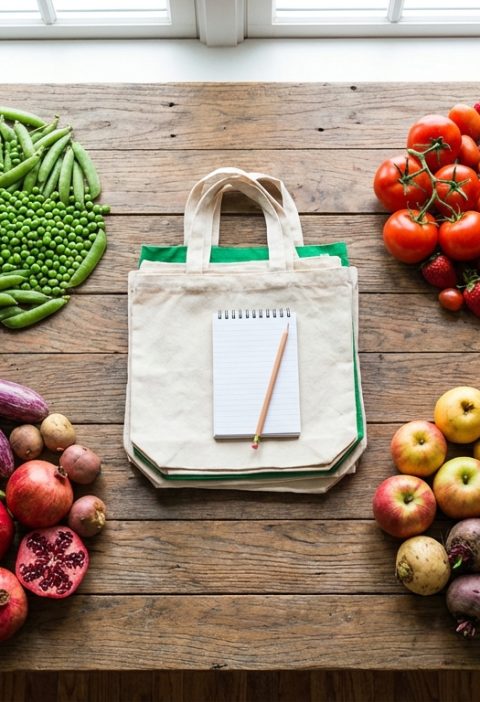
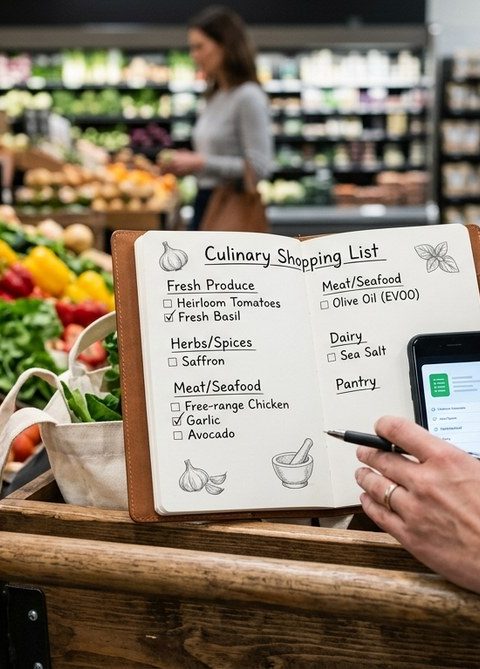
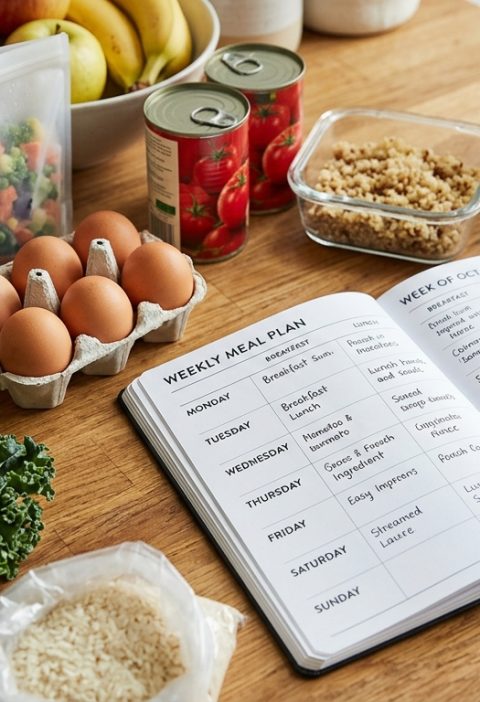
Start with a simple plan for the week. Consider your schedule, dietary needs, and favorite dishes. Create a flexible menu that includes some repeat meals to reduce decision fatigue. Using a meal planning template or app can keep you organized. Write down your grocery list based on this plan, sticking to it during shopping to avoid impulse buys. -
Batch cook and double recipes
Cooking large portions of staples like rice, beans, or roasted vegetables saves time. Use these ingredients in different meals throughout the week. For example, a batch of grilled chicken can be sliced for salads, wraps, or stir-fries. Doubling recipes allows you to have leftovers for lunches or quick dinners without extra cooking. -
Organize your kitchen and storage containers
A tidy kitchen speeds up meal prep. Invest in good-quality, airtight containers—preferably glass—that are easy to stack and label. Keep frequently used ingredients within reach. Label containers with dates and contents to prevent waste and ensure freshness. Proper organization minimizes clutter and makes it easier to find ingredients quickly.
Additional tips for successful meal prep
- Use multiple cooking methods at once. For example, bake chicken while boiling pasta and roasting vegetables. This multitasking maximizes your time in the kitchen.
- Freeze portions of soups, stews, or cooked grains in individual servings. This allows for quick reheats on busy days.
- Incorporate ingredients that last longer, like root vegetables or frozen produce, into your weekly plan.
- Take safety seriously by handling raw meats properly and keeping your kitchen surfaces clean.
“Prepping ingredients in advance and organizing your kitchen can cut your cooking time in half. The key is to make it easy to access what you need when you need it.” — Culinary expert, Chef Lisa
Common mistakes to avoid during meal prep
| Mistake | Why it matters | How to fix it |
|---|---|---|
| Overloading your schedule | Leads to rushed prep or skipped steps | Keep plans realistic; prep in stages if necessary |
| Not labeling containers | Causes confusion and waste | Use labels with date and content |
| Freezing improperly | Affects food quality | Use airtight containers and leave space for expansion |
| Ignoring food safety | Risks health issues | Handle raw meats separately and clean thoroughly |
Food knowledge that boosts your meal prep game
Understanding some culinary terminology can make your meal prep more efficient. For example:
- Mise en place: This French term means “everything in its place.” It involves preparing and organizing all ingredients before cooking. It reduces stress and ensures nothing is forgotten.
- Batch cooking: Preparing large quantities of food at once to be portioned out later.
- Blanching: Briefly boiling vegetables then shocking them in ice water to preserve color and texture, perfect for freezing.
- Storage techniques: Properly cooling and storing cooked food prevents spoilage and retains flavor.
Tips for making meal prep sustainable
- Start small: If you are new to meal prep, begin with one or two meals a week. Gradually increase as you get comfortable.
- Use versatile ingredients: Items like eggs, canned beans, or frozen vegetables can be incorporated into many dishes.
- Shop smart: Buy in bulk when possible, and utilize pantry staples to keep prep easy and affordable.
- Embrace leftovers: Reinvent leftovers into new meals to keep variety without extra effort.
- Schedule dedicated prep time: Block out time on weekends or evenings to cook and assemble meals. Consistency builds a habit.
Making meal prep part of your routine
Consistency is key. Set a weekly reminder to plan, shop, and prep. Find a system that works for your lifestyle, whether that’s Sunday afternoons or a weekday evening. Remember, meal prep should reduce stress, not add to it.
Final thoughts on mastering meal prep
Adopting effective tips and strategies transforms meal prep from a chore into a manageable routine. Focus on organization, batching, and using versatile ingredients to make the process smoother. Over time, these habits will save you hours, cut down on food waste, and help you enjoy nutritious meals more often. Small changes today can lead to lasting benefits in your weekly cooking routine.
Simplify your cooking, enjoy your meals
Turning meal prep into a friendly, efficient process begins with the right mindset and tools. Keep experimenting with techniques, adjust your plan as needed, and celebrate your successes. With a little organization and planning, you’ll find yourself spending less time in the kitchen and more time enjoying your homemade creations.