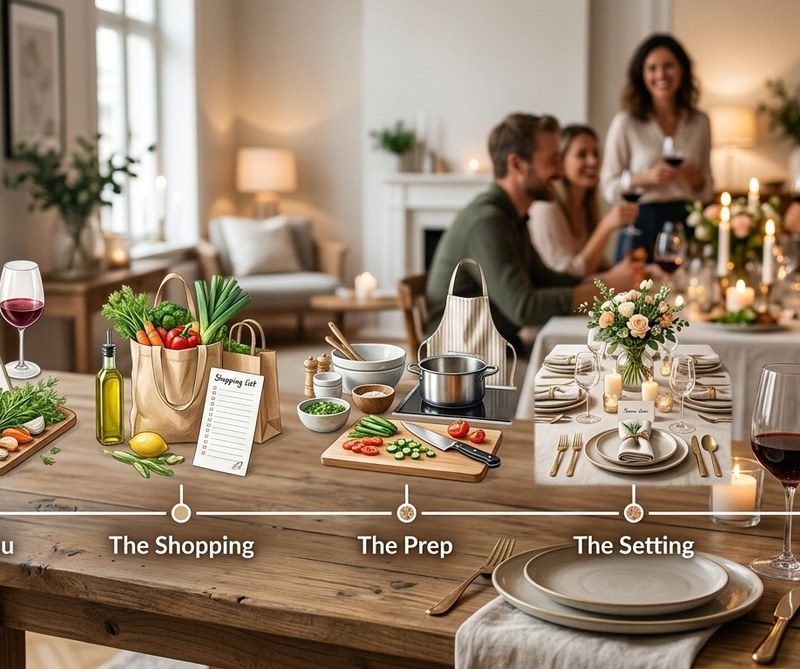
<dinner party planning timeline: a stress-free schedule from start to finish
Hosting a dinner party should feel like a joy, not a job. But without a solid plan, the afternoon before guests arrive can turn into a sprint through the grocery store, a frantic search for matching napkins, and a last minute scramble to season the roast. You deserve better than that. A clear dinner party planning timeline is the secret weapon every host needs. It turns chaos into calm, and gives you the freedom to actually enjoy the evening alongside your friends. This guide walks you through every step, from the first idea to the final toast. No stress, no surprises, just a beautiful night.
A structured dinner party planning timeline starts one week before the event. Begin with guest list, menu, and grocery order. Three days out, prep make ahead components, set the table, and buy fresh ingredients. The day before, finish mise en place and chill drinks. On party day, follow a simple hour by hour schedule for cooking, plating, and relaxing. This system eliminates last minute stress and lets you host with confidence.
Why a timeline saves your sanity
The biggest mistake new hosts make is underestimating how long everything takes. Chopping vegetables, setting up a cheese board, and adjusting the oven temperature all add up. A timeline breaks your workload into manageable chunks. You do a little each day instead of everything in one exhausting push. The result? You walk into the dining room with a clear head and a genuine smile when guests ring the doorbell.
One week before the party
This is your planning zone. No cooking yet. Just decisions and a trip to the store.
Numbered checklist for the first phase:
- Finalize your guest list. Keep it small enough that you can actually talk to everyone. Six to eight people is a sweet spot for most home cooks.
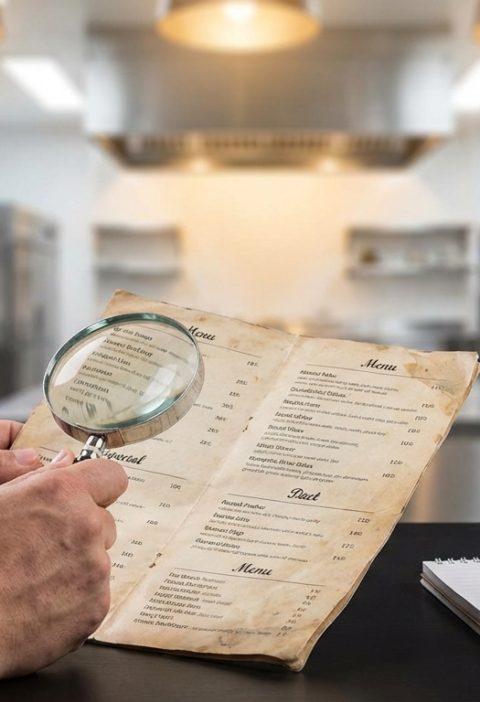
- Choose a menu that balances showstopper dishes with make ahead components. Think braised short ribs that reheat perfectly, or a pasta bake you can assemble the morning of.
- Send out invitations. A simple text or email works, but include the date, time, dress code, and a note about any dietary restrictions (ask guests to share them).
- Walk through your recipe timeline. Which dishes can be prepped three days ahead? Which need last minute assembly? Write it down.
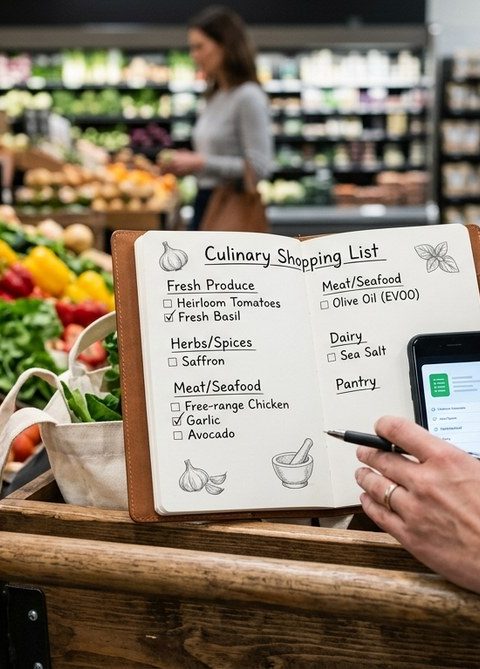
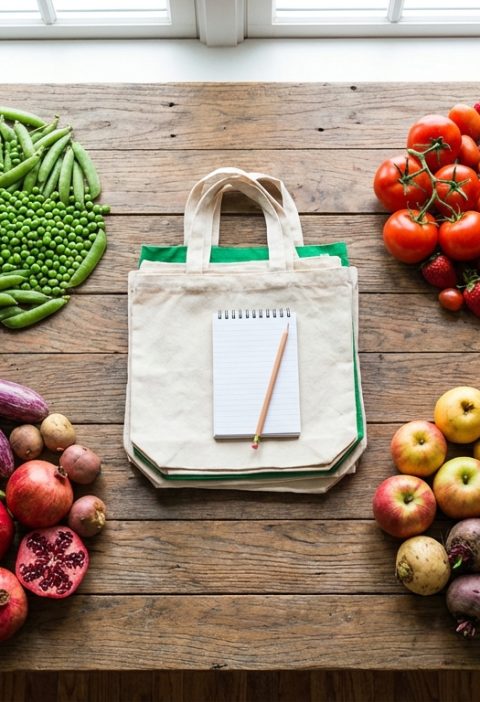
- Create two grocery lists: one for non perishables (spices, canned goods, wine) and one for fresh items you will buy two days before.
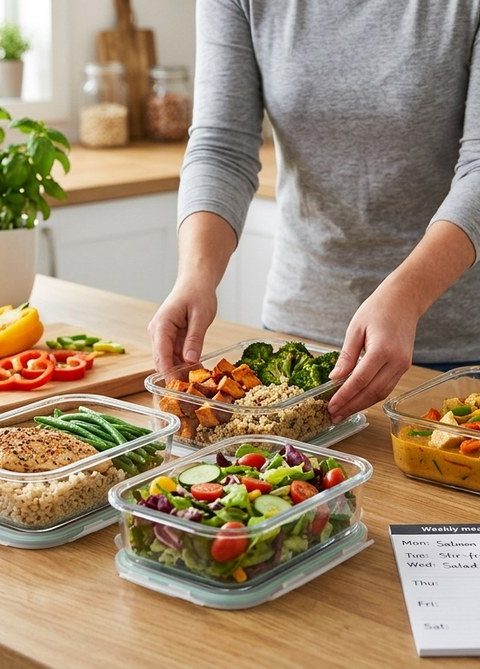
A few smart choices now save hours later. For example, a batch cooking without burnout approach works wonders for side dishes like mashed potatoes or braised greens. Freeze them, then reheat on party day.
Three days before
Time to start actual preparation. The goal is to get ahead on anything that holds well in the fridge or freezer.
- Shop for all non perishable ingredients. Stock up on wine, beer, and sparkling water.
- Wash and chop sturdy vegetables like carrots, celery, and onions. Store them in airtight containers.
- Make any stocks, sauces, or dressings that benefit from resting. A vinaigrette made now tastes better by party time.
- Set the table. Yes, now. Get out the plates, glasses, and flatware. Fold napkins and place name cards if you plan to use them. Collect serving platters and label them with sticky notes for each dish.
- Check your serving bowls and utensils. Do you have enough for every dish? Borrow or buy what is missing now, not on the day.
Common mistakes and how to avoid them (table):
| Mistake | Fix |
|---|---|
| Forgetting serving utensils until the last minute | Set the table and list every dish that needs a spoon or tongs. |
| Overbuying fresh herbs that wilt before the party | Buy hearty herbs like rosemary and thyme early; basil and parsley buy the day before. |
| Choosing a main course with a long resting time and no backup plan | Pick recipes with a built in resting period and keep a warm oven ready. |
| Not asking about allergies until guests arrive | Collect dietary needs on the invitation and adjust the menu accordingly. |
One day before
This is where the heavy lifting happens. You should have a clear list of tasks that must be done by tonight.
“The night before a dinner party, I do everything that does not require guests to be present. I set the music playlist, chill the white wine, and prep all garnishes. The only thing left for party day is to cook proteins and assemble plates.”
Linda Hayes, home entertainer and cooking instructor
- Finish all mise en place. Chop herbs, measure spices, and portion ingredients into bowls. Cover them and refrigerate.
- Assemble any layered casseroles or desserts. A lasagna or tiramisu actually improves overnight.
- Set up your beverage station. Fill a large pitcher with water. Arrange glasses. Chill red wine for 20 minutes before serving if needed.
- Clean the kitchen thoroughly. Wash all prep dishes. You want a blank canvas tomorrow.
- Review your hour by hour schedule for the party day.
The day of the party
Follow this timeline starting four hours before guests arrive. Adjust times based on your menu.
Four hours before:
- Take meat or fish out of the refrigerator to come to room temperature (if recipe requires).
- Preheat the oven for any long roasting dishes.
- Start cooking components that need more than 60 minutes, like braises or whole roasted vegetables.
Two hours before:
- Make the first course. If it is a cold starter like a salad or gazpacho, leave it in the fridge until serving.
- Set out appetizers and cheese on a board. Cover them with a clean towel.
- Arrange flowers or final table decor.
One hour before:
- Start the main course. Follow your recipe timing precisely.
- Warm bread in the oven.
- Fill water glasses and pour wine for early arrivals.
30 minutes before:
- Plate the first course. Have it ready to carry to the table.
- Light candles (if using).
- Change into your hosting clothes.
When guests arrive:
- Greet everyone at the door. Offer a drink immediately.
- Put on the music playlist you prepared yesterday.
- Take a deep breath. You are ready.
Handling common hiccups without panic
Even the best timeline needs flexibility. Here are three situations and how to adapt.
- A dish finishes earlier than expected. Turn the oven to its lowest setting and hold the dish there, loosely covered with foil. Most braised dishes and roasted meats can hold for 30 to 45 minutes without drying out.
- A guest texts that they are running 20 minutes late. Do not change your cooking schedule. Keep moving forward. If the main course finishes before they arrive, rest it and cover it. Make the salad or side dish at the last minute instead.
- You forget a key ingredient. Do not run to the store. Substitute with what you have. No cream? Use whole milk plus a pat of butter. No lemons? A splash of vinegar works for acidity. Improvise with confidence.
For a broader primer on organizing your kitchen workflow, our guide to the complete guide to mise en place explains how professional chefs set up their stations. The same principles apply at home.
A sample menu and its timing
Let us apply the timeline to a real menu for six people in 2026. This classic American dinner features a make ahead starter, a braised main, and a no bake dessert.
Menu:
- Starter: roasted beet and goat cheese salad with candied walnuts (assemble morning of)
- Main: red wine braised short ribs with creamy polenta and roasted carrots (braise day before, reheat)
- Dessert: panna cotta with berry compote (make two days ahead, unmold just before serving)
Timeline adjustments:
- One week before: finalize menu, invite guests, order short ribs from butcher.
- Three days before: make panna cotta. Shop for dry goods. Set table.
- Two days before: braise short ribs. Wash and cut carrots. Make vinaigrette.
- One day before: make candied walnuts. Chop beets and roast them. Reheat short ribs in oven while you do prep.
- Party day (four hours out): pull short ribs from fridge. Set oven to 350F. Reheat ribs and polenta together.
- Party day (one hour out): assemble salad. Unmold panna cotta. Top with compote.
- Guests arrive: serve a glass of sparkling water or wine. Sit down to salad 15 minutes later.
Notice that the only last minute tasks are assembling the salad and unmolding the panna cotta. Everything else is done ahead.
Your hosting rhythm for the evening
The timeline does not end when guests sit down. A good host balances kitchen time with table time.
- Between courses. Stand up and clear plates. If you need to plate the next course in the kitchen, ask a friend to refill water glasses and pour wine while you are gone. Keep it under three minutes.
- For the main course. If it is plated in the kitchen, call for a brief intermission. Say something like, “I am going to plate the main course. More wine while you wait?” This prevents awkward empty table time.
- For dessert. Offer to serve coffee or tea alongside. Set up a self serve station if you want to stay seated longer.
Turning your timeline into a reusable template
Once you have hosted using this schedule, save it as a master file. Each time you plan a dinner party, copy the timeline and adjust the task dates and times based on your new menu. Over time, you will refine it to match your cooking style and kitchen size.
If you are traveling for culinary inspiration, our guide to a week long culinary journey through Tuscany offers menu ideas that travel well into home entertaining. Tuscan hosts live by the same principle: prepare ahead, then enjoy the company.
The night belongs to you and your guests
A well planned dinner party does not look like work. It looks like a relaxed evening where the food is delicious, the conversation flows, and the host seems to have effortlessly pulled it all together. That effortlessness is exactly what this timeline delivers. You put in the work during the week, and then you get to be a guest at your own table.
Start your planning today. Pick a date, invite a few friends, and follow the steps in this guide. Your future self, the one opening the oven door while wearing a clean apron and a calm smile, will thank you.