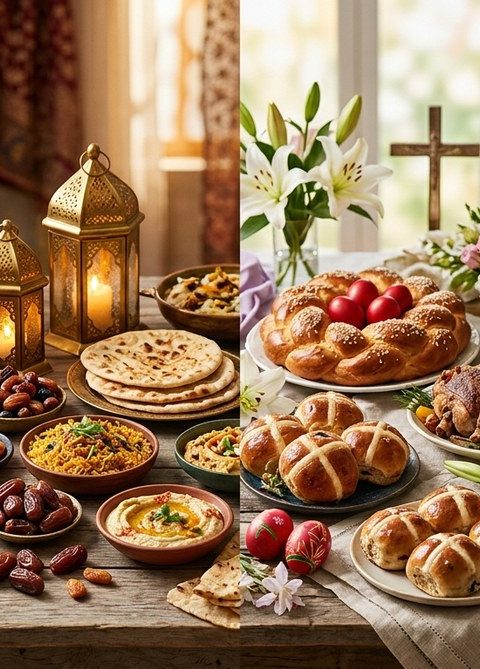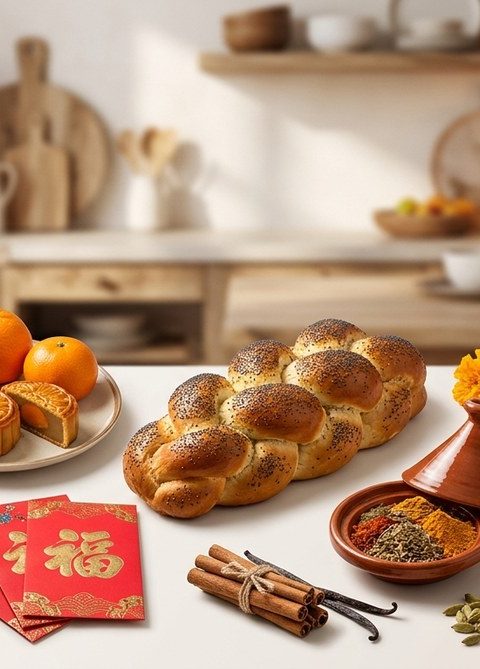
Food practices are woven into the fabric of every society. They define traditions, reinforce social bonds, and serve as powerful symbols of cultural identity. Across the United States and around the world, food customs reveal much about a community’s history, values, and social structure. In 2026, understanding how food customs shape cultural identity offers a window into what makes each culture unique. It also underscores the importance of preserving culinary traditions in an increasingly interconnected world.
Food customs are essential expressions of cultural identity. They connect communities, carry historical significance, and adapt over time, reflecting a society’s evolving values and traditions.
How food customs influence cultural identity
Food is more than sustenance. It is a cultural language that communicates identity across generations. Every dish, ritual, or eating habit carries deep meaning rooted in history, geography, and social norms. For example, the traditional Thanksgiving feast in the United States symbolizes gratitude and unity, while the ritual of sharing tea in Japanese culture emphasizes harmony and respect. These customs help communities maintain a sense of continuity amid change.
Food customs also serve as markers of belonging. They distinguish cultures and reinforce social bonds. Family recipes passed down through generations strengthen ties. Community festivals centered around specific foods foster shared identity. For instance, the Mardi Gras king cake in Louisiana embodies regional pride and festive spirit. In 2026, preserving these practices remains vital as global influences continue to shape local foodways.
The social role of food in cultural communities
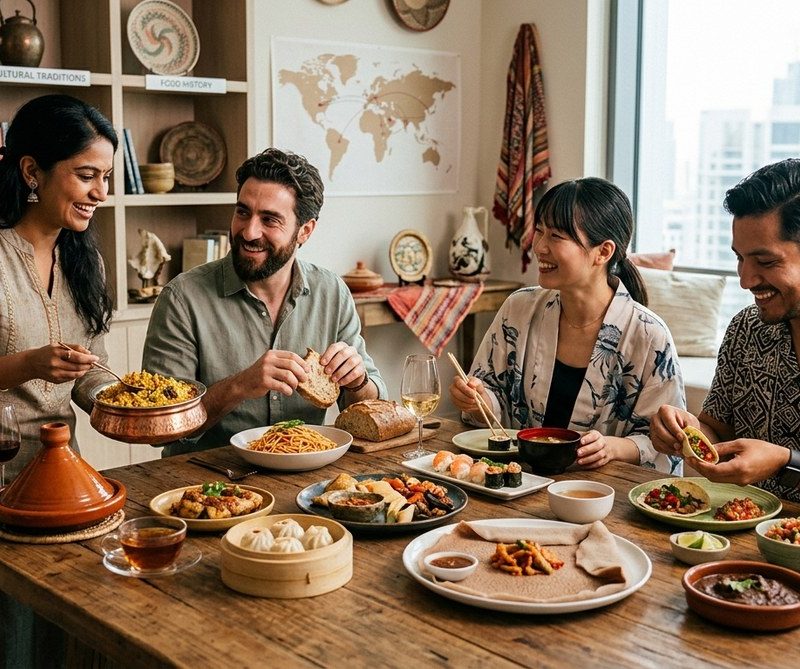
Food acts as a social glue, bringing people together in celebration, mourning, and everyday life. Sharing meals fosters relationships and community cohesion. In many cultures, preparing and eating food is a communal activity that emphasizes hospitality and generosity. For example, potlucks during holidays in American communities highlight collective participation.
Food as a symbol of cultural identity
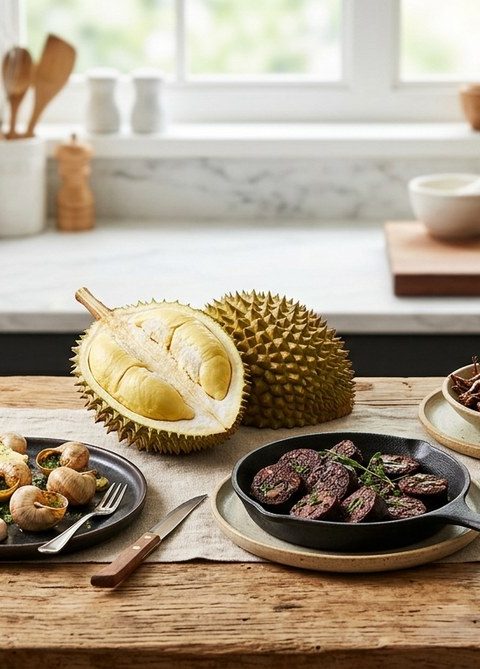
Certain foods become symbols representing entire cultures. Think of pasta in Italy, tacos in Mexico, or barbecue in the southern United States. These dishes reflect local ingredients, cooking techniques, and cultural values. They serve as cultural ambassadors when shared with outsiders.
Rituals and food ceremonies
Food rituals often mark important life events or religious observances. In Jewish tradition, the Passover Seder involves specific foods that recount historical stories. In Hindu festivals, sweets like ladoos symbolize prosperity and joy. Such rituals preserve cultural narratives and reinforce community bonds.
Practical steps to understanding and appreciating food customs
- Research local food traditions: Learn about regional dishes and their cultural significance.
- Participate in food festivals: Join community events celebrating specific cuisines.
- Cook traditional recipes: Try making authentic dishes to connect with cultural roots.
- Respect food rituals: Observe and honor customs when visiting or engaging with different communities.
- Share your own culinary heritage: Introduce family recipes and stories to others.
Techniques and pitfalls in understanding food customs
| Technique | Mistake to Avoid |
|---|---|
| Listening actively to locals’ food stories | Assuming one dish represents an entire culture |
| Participating respectfully in rituals | Disregarding dietary restrictions or taboos |
| Learning about historical origins | Oversimplifying or stereotyping food practices |
| Trying new foods with an open mind | Judging unfamiliar flavors harshly |
“Food customs are the living expressions of a culture’s soul,” notes culinary anthropologist Dr. Lisa Martinez. “They evolve with society, yet remain rooted in tradition, serving as a bridge between past and present.”
Food customs as carriers of cultural memory
Food carries collective memories, linking generations through shared dishes and stories. These practices help communities maintain a sense of continuity even as societies modernize. For example, the tradition of baking family holiday cookies in the United States connects families across decades. Similarly, indigenous food practices preserve ancestral knowledge and connection to land.
The impact of migration on food customs
Migration introduces new influences, leading to hybrid cuisines that reflect cultural exchanges. In the United States, immigrant communities have adapted traditional dishes, creating new culinary identities. For instance, Korean tacos in Los Angeles symbolize a fusion of Korean ingredients with Mexican street food. These evolving food customs demonstrate resilience and creativity in preserving cultural identity amid change.
Challenges to maintaining food customs today
Globalization, fast food, and urbanization threaten traditional practices. Younger generations may lose touch with culinary roots. Food accessibility issues can also limit the ability to practice certain customs. Recognizing these challenges highlights the need to document, share, and celebrate diverse food traditions.
Final thoughts: food as a living cultural legacy
Food customs are powerful tools for understanding cultural identity. They encapsulate history, values, and social bonds. In 2026, respecting and preserving these traditions is essential to maintaining cultural diversity. Engaging with different food practices enriches our understanding of the world’s many stories.
By sharing recipes, participating in cultural festivals, and learning about origins, we keep these traditions alive. Food connects us all, serving as a delicious reminder of our collective human story. So next time you prepare or enjoy a dish, consider the cultural journey it represents. Your appreciation helps preserve a vital part of humanity’s shared heritage.