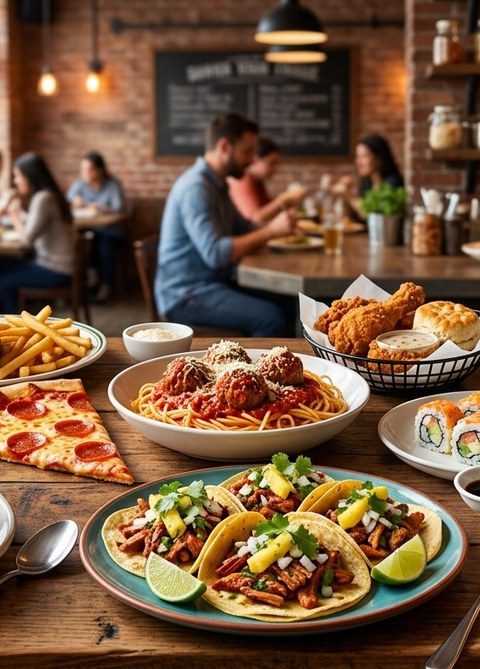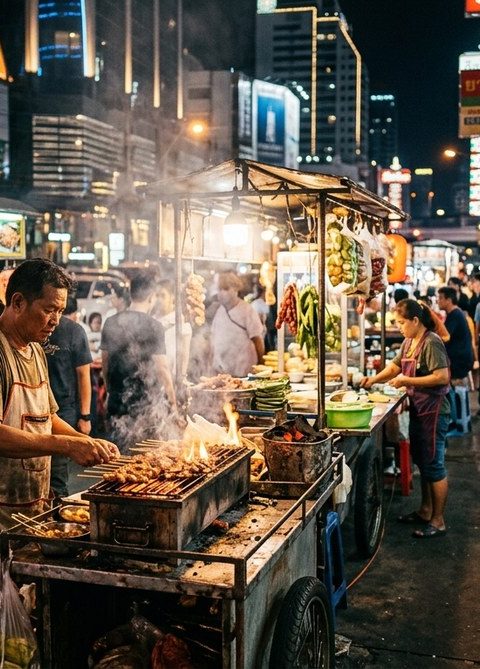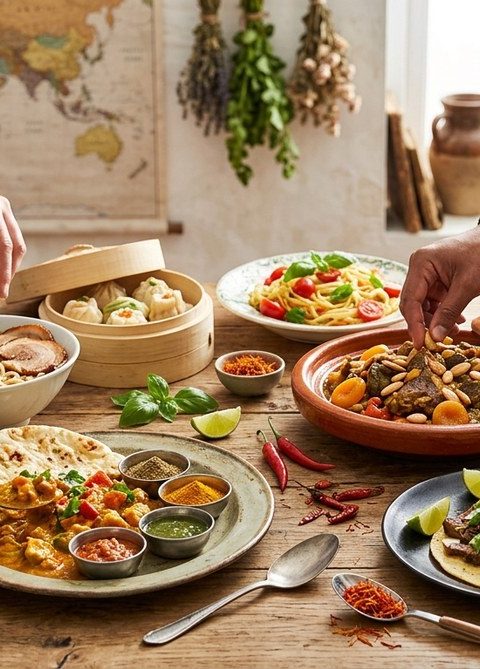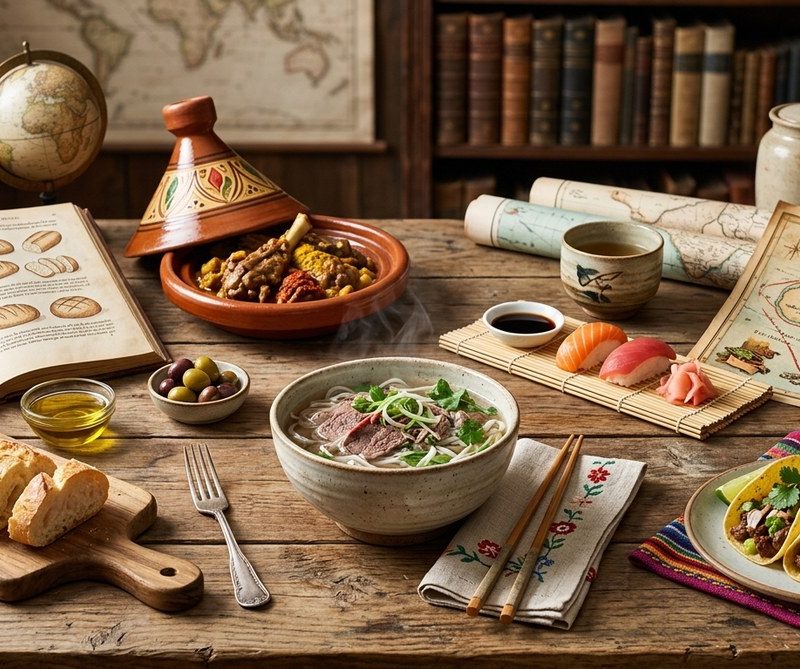
Traditional food customs shape the way cultures celebrate, connect, and express their identity. From the communal joy of sharing a bowl of ramen in Japan to the festive baking of Christmas cookies in the United States, each culinary tradition has a story rooted in history, geography, and societal values. Understanding where these customs come from reveals how food reflects more than taste—it embodies centuries of cultural evolution. Exploring the origins of these beloved practices offers a fascinating glimpse into the rich tapestry of human history.
The origins of iconic food customs reveal how history, geography, and cultural exchange shape the way societies celebrate and connect through food. Tracing these roots uncovers stories that deepen appreciation for traditional dishes worldwide.
How Food Traditions Take Root in History
Food customs often start from practical needs, religious beliefs, or social bonding. Over time, they evolve into symbols of identity and heritage. For example, the Mediterranean tradition of sharing mezze originated from ancient communal eating practices, emphasizing hospitality and togetherness. Similarly, the Japanese tea ceremony, known as chanoyu, developed from Zen Buddhist principles, transforming into a refined ritual that embodies harmony and respect. These customs are not random; they are reflections of historical circumstances and societal values that have been passed down through generations.
The Cultural Significance of Iconic Food Customs
Many traditional food practices serve more than just sustenance. They act as rituals marking important life events, religious festivals, or seasonal changes. For instance, the Mexican celebration of Dia de los Muertos involves preparing special foods like sugar skull candies and pan de muerto to honor ancestors. These foods carry symbolism and connect communities with their heritage. Likewise, the American tradition of Thanksgiving originated from early harvest celebrations, emphasizing gratitude and family bonds. Recognizing these cultural layers adds depth to the dishes we love.
How Different Regions Developed Their Signature Food Customs
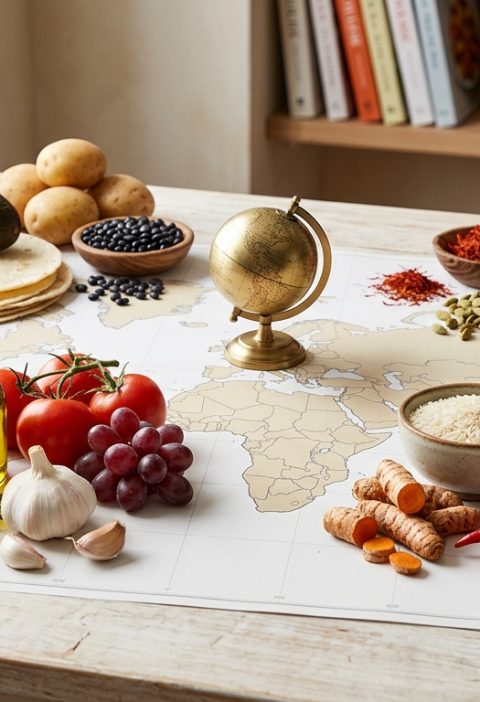
Geography, climate, and available ingredients influence local culinary traditions. In Italy, the use of fresh herbs and olive oil reflects the Mediterranean climate, leading to dishes like pasta with basil and tomatoes. In contrast, Scandinavian countries developed preservation techniques like smoking and pickling to survive long, cold winters, resulting in foods such as smoked salmon and fermented herring. These regional adaptations create unique food customs that showcase the diversity of human ingenuity in making the most of local resources.
Practical Steps to Trace Food Customs to Their Origins
Understanding the roots of food traditions can be a rewarding process. Here’s a simple approach:
- Research historical context: Look into the country or region’s history during the time the tradition emerged.
- Identify key ingredients: See how local ingredients influenced the development of certain dishes or rituals.
- Explore cultural and religious influences: Discover how beliefs and festivals shaped food customs.
How to Investigate Food Origins Step-by-Step
- Start with a trusted culinary history book or reputable online resources like Food Lexicon.
- Visit local museums or cultural centers that highlight regional culinary histories.
- Engage with food historians or community elders to gain firsthand insights.
- Try making traditional dishes yourself, paying attention to the techniques and ingredients that define their authenticity.
Techniques and Mistakes in Tracing Food Customs
| Technique | Mistake to Avoid |
|---|---|
| Relying solely on myths or legends | Ignoring historical evidence or context |
| Focusing only on ingredients | Overlooking the social and ritual aspects |
| Ignoring regional variations | Assuming uniformity across cultures |
| Not cross-referencing sources | Relying on a single, unverified account |
“Understanding the origins of food customs enriches our appreciation and helps preserve these traditions for future generations,” advises culinary historian Dr. Maria Lopez.
The Role of Festivals and Rituals in Food Traditions
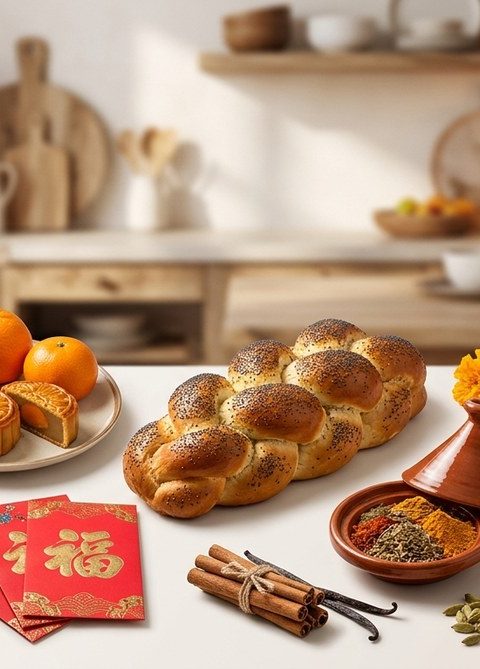
Festivals often reinforce food customs, turning them into communal celebrations. For example, the Chinese New Year features dishes like dumplings and rice cakes, symbolizing wealth and prosperity. In India, Diwali sweets such as ladoos and jalebis are integral to the festival’s joy. These food rituals serve as collective memories, linking generations and strengthening cultural bonds. They also adapt over time, blending ancient practices with modern influences.
How Migration and Globalization Shape Food Customs
Migration introduces culinary practices to new regions, creating hybrid traditions. Italian immigrants brought pasta to the United States, where it evolved into beloved dishes like spaghetti and meatballs. Similarly, fusion cuisines combine elements from multiple cultures, reflecting a globalized world. This exchange keeps food traditions alive and relevant, even as they adapt to new environments. It also emphasizes the importance of understanding the cultural significance behind each dish to appreciate its full story.
Practical Tips for Experiencing Food Heritage Firsthand
- Attend local festivals celebrating traditional foods.
- Visit markets that sell authentic ingredients used in historical recipes.
- Join cooking classes focused on regional cuisine.
- Talk to local artisans or chefs about the history behind their signature dishes.
How to Experience Food Customs Around the World
- Research upcoming cultural festivals or food markets in your area or abroad.
- Try making a traditional dish from a region you’re interested in learning about.
- Engage with community members who keep these traditions alive.
- Document your experiences to deepen your understanding and share your discoveries.
Common Techniques and Pitfalls in Preserving Food Customs
| Technique | Mistake to Avoid |
|---|---|
| Following authentic recipes | Altering ingredients without understanding their significance |
| Respecting cultural context | Taking traditions out of their social or religious setting |
| Preserving techniques | Using modern shortcuts that change the essence |
| Sharing stories behind dishes | Forgetting to pass on the cultural meaning |
“Respect for tradition and context is vital when preserving food customs,” notes chef and cultural advocate Lisa Nguyen.
Savoring the Stories Behind Iconic Food Customs
Every food tradition carries stories of migration, adaptation, and community bonding. For example, the French baguette’s origins are linked to medieval bread-making techniques that have persisted through centuries. In the United States, soul food reflects African American history and resilience. Recognizing these narratives enhances our culinary experience, transforming a simple meal into a cultural journey.
Celebrating Food Customs in Your Own Kitchen
Bringing a piece of history into your home can be simple and meaningful. Start by choosing a traditional recipe linked to your own heritage or a culture you’re curious about. Research its origins and the significance of key ingredients. Prepare the dish with respect for its cultural context, and consider sharing it with friends or family as a way to celebrate the story behind it.
How to Keep Food Traditions Alive
- Pass down recipes and stories to younger generations.
- Participate in cultural festivals and community events.
- Learn from elders and cultural leaders.
- Incorporate traditional ingredients and techniques into your daily cooking.
Practical Steps to Sustain Food Customs
- Document family recipes and stories.
- Support local artisans who produce traditional foods.
- Teach others about the history behind dishes.
- Advocate for the preservation of regional culinary practices.
A Taste of Heritage for Every Food Enthusiast
Tracing the roots of food customs reveals the depth and diversity of human culture. These traditions connect us across generations and borders. Whether you’re cooking at home, traveling, or simply tasting authentic dishes, understanding their origins enhances every bite. Embrace these stories and keep them alive through curiosity and respect.
Sharing the Legacy of Food Customs
Remember, every dish has a story worth telling. By understanding where these traditions come from, you become part of a larger narrative that celebrates human creativity and resilience. Keep exploring, learning, and sharing these culinary treasures. Your curiosity helps preserve the rich history behind each flavor and ritual, making the world a more connected, flavorful place.