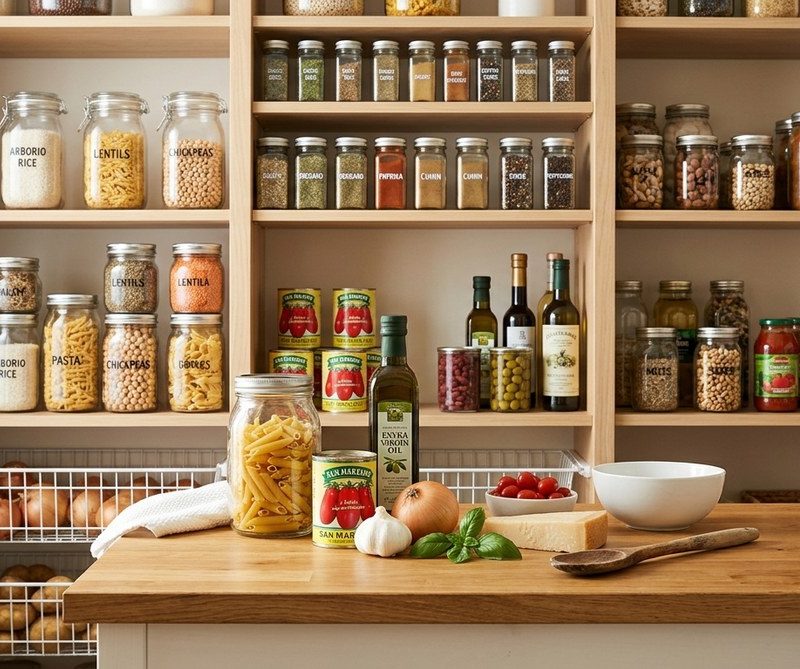
You walk through the door at 6:15 PM. The fridge offers a half-empty jar of pickles, a block of cheese, and some wilting scallions. Dinner feels like a distant dream. You are not alone. This is the moment when most of us reach for the phone and order takeout. But what if your pantry could save you? A flexible pantry is not about having fifty different spice jars or a separate room for bulk grains. It is about stocking the right ingredients so that a real, satisfying meal comes together in the time it takes to boil pasta.
A flexible pantry is your secret weapon against takeout fatigue. By focusing on versatile staples like canned beans, good olive oil, broths, pasta, and a handful of bold condiments, you can turn any random Tuesday night into a satisfying dinner. The goal is not perfection. It is freedom from the stress of “what’s for dinner.”
Why a Flexible Pantry Changes Everything
A flexible pantry works because it removes the biggest obstacle to cooking at home: the planning gap. When you have a stocked pantry, you do not need a recipe. You need a framework. You open the cabinet, grab a few items, and build a meal around them. This approach saves money, reduces food waste, and gives you the confidence to cook without a safety net.
The beauty of this system is that it adapts to your life. Some weeks you have time to braise a pot of beans. Other weeks you need dinner on the table in fifteen minutes. A flexible pantry serves both situations equally well.
The Core Ingredients Every Flexible Pantry Needs
You do not need a warehouse club membership to build this pantry. You need to focus on categories that offer the most versatility. Here is what to keep on hand.
Long-Lasting Proteins
- Canned beans (black beans, chickpeas, cannellini)
- Canned fish (tuna, sardines, anchovies)
- Lentils and split peas
- Good quality chicken or vegetable broth
- Eggs (they last weeks in the fridge)
Grains and Pasta That Cook Fast
- Dried pasta in several shapes (spaghetti, orzo, shells)
- Polenta (the instant kind works beautifully)
- Couscous
- Farro or pearl barley
- Rice (jasmine, basmati, or short grain)
Flavor Boosters That Do the Heavy Lifting
- A bold extra virgin olive oil
- Red wine vinegar and sherry vinegar
- Dijon mustard
- Fish sauce or soy sauce
- A jar of capers or olives
- Anchovy paste or tube of tomato paste
Alliums and Aromatics
- Garlic (fresh or the jarred minced kind)
- Red onion or shallots
- Scallions (they last in a glass of water in the fridge)
- A lemon or two
How to Build a Meal from Your Pantry in Three Steps
You do not need a formal recipe. You need a method. Here is a simple process that works with almost any combination of pantry staples.
-
Pick a starch. Choose one grain or pasta that cooks in the time you have. Couscous takes five minutes. Pasta takes about ten. Rice takes longer, but you can start it before you do anything else.
-
Pick a protein. Open a can of beans, drain and rinse them, or crack open a tin of fish. If you have eggs, those count too. This is the backbone of your meal.
-
Pick a flavor anchor. This is your secret weapon. A spoonful of Dijon mustard, a splash of vinegar, a drizzle of fish sauce, or a handful of olives. This one ingredient will define the entire dish.
Once you have those three elements, you build the rest around them. Saute an onion in olive oil. Add your protein. Add your starch. Finish with your flavor anchor. Taste and adjust with salt or a squeeze of lemon. That is dinner.
Common Mistakes and How to Fix Them
Even the best stocked pantry can lead to a disappointing meal if you fall into a few common traps. The table below shows the most frequent mistakes and the simple fixes.
| Mistake | Why It Happens | The Fix |
|---|---|---|
| Bland meals | Relying only on salt and pepper | Add a bold condiment like mustard, vinegar, or fish sauce |
| Overcooked pasta | Guessing the time | Set a timer for one minute less than the package says |
| Watery beans | Not draining and rinsing canned beans | Always rinse and pat dry before sauteing |
| Sad salads | No texture contrast | Add something crunchy (nuts, croutons, raw veg) |
| Greasy finish | Using low quality oil | Spend a few dollars more on a good olive oil |
The Art of the Pantry Dinner: Real Examples
Let us walk through three real pantry dinners. Each one uses ingredients you likely have or can easily buy.
Example 1: Pasta with Tuna and Lemon
Boil spaghetti until al dente. While it cooks, saute a minced garlic clove in olive oil. Add a can of drained tuna and cook for one minute. Toss with the pasta, a big squeeze of lemon juice, and a handful of chopped parsley if you have it. Dinner in twelve minutes.
Example 2: Lemony Lentil Soup
Saute a chopped onion in olive oil. Add a cup of rinsed lentils and four cups of broth. Simmer for twenty minutes. Stir in a spoonful of tomato paste and the juice of half a lemon. Serve with a drizzle of olive oil on top. This one tastes better the next day.
Example 3: Mediterranean Couscous Bowl
Cook couscous according to the package. Drain a can of chickpeas and saute them with a pinch of cumin. Toss the couscous with the chickpeas, a handful of chopped olives, a splash of red wine vinegar, and a generous pour of olive oil. Top with crumbled feta if you have it.
The best pantry meals come from constraints, not from abundance. When you limit your options to what you already have, you stop shopping and start cooking. That is where the real creativity begins.
Stocking for the Long Haul Without Waste
A flexible pantry should not turn into a museum of forgotten ingredients. Here is how to keep your stock fresh and useful.
- Shop with a meal in mind. Before you buy a new jar of something, picture the dish you will use it in. If you cannot think of one, do not buy it.
- Rotate your stock. Use the oldest items first. Put new cans behind old ones.
- Embrace the same ingredients. You do not need twelve kinds of vinegar. You need two good ones that you use regularly.
- Buy shelf stable proteins. Canned fish, beans, and lentils last for years. They are the backbone of your flexible pantry.
If you want to go deeper on meal planning strategies that pair perfectly with a stocked pantry, check out our guide on how to build a weekly meal plan using ingredients you already have. It will show you how to connect the dots between your pantry and your calendar.
What to Keep in the Freezer for Backup
Your freezer is an extension of your pantry. A few smart items there can rescue any meal.
- Frozen spinach or peas
- A bag of shrimp or frozen fish fillets
- Grated ginger (keep it in the freezer and grate it frozen)
- A tube of tomato paste
- Bread or tortillas
When your pantry feels thin, the freezer almost always has something to add.
A Week of Flexible Pantry Meals
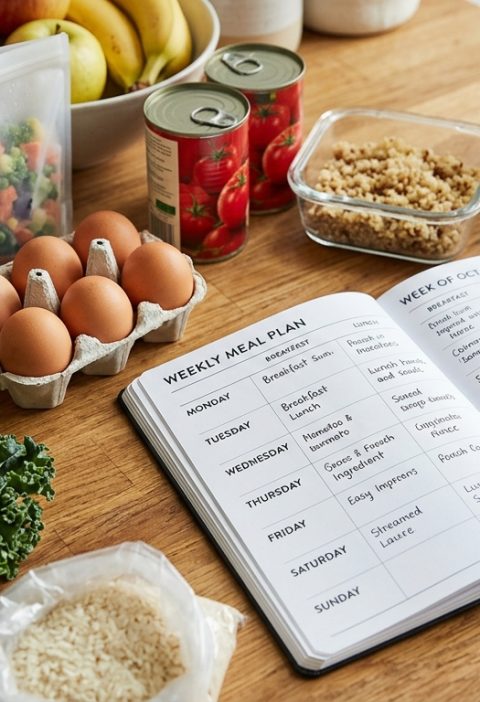
Here is a sample week to show you how this works in real life. No recipes required. Just a framework.
- Monday: Pasta with canned tuna, lemon, and olive oil.
- Tuesday: Couscous with chickpeas, olives, and red wine vinegar.
- Wednesday: Lentil soup with onion, garlic, and a squeeze of lemon.
- Thursday: Polenta with sauteed greens (frozen spinach) and a fried egg.
- Friday: Rice bowl with black beans, a drizzle of fish sauce, and scallions.
- Saturday: Farro with roasted vegetables (whatever is in the fridge) and a mustard vinaigrette.
- Sunday: Pantry cleanout soup. Use every open can and half used jar. Add broth and simmer.
Your Flexible Pantry Is a Lifelong Tool
Building a flexible pantry is not a weekend project. It is a slow, intentional process. Start with the ingredients you use most often. Add one new thing each time you shop. Pay attention to what you actually reach for when you are tired and hungry. That is the real test.
A flexible pantry does not promise gourmet meals every night. It promises that you will always have a path to dinner. That is a powerful thing for any busy home cook. The next time you walk through the door at 6:15 PM, you will know exactly what to do.
For more inspiration on how to cook with what you have, take a look at our guide on 15 misunderstood cooking terms that are easier than you think. It will help you decode recipe language and build even more confidence in the kitchen.