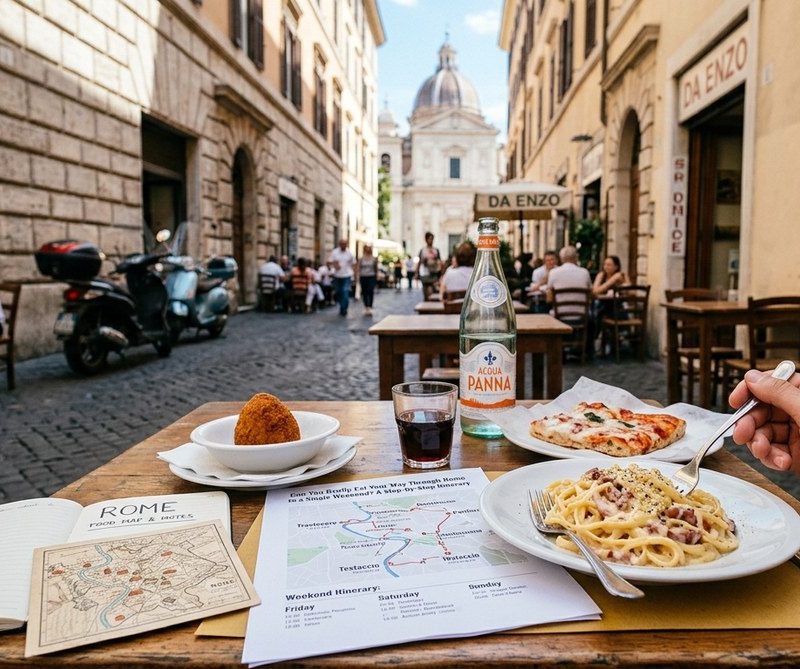
You have 48 hours in Rome. Your plane lands on Friday evening and departs on Monday morning. Between those moments, you want to taste every classic Roman dish you have ever read about. Carbonara. Cacio e pepe. Supplì. Maritozzi. Gelato. And about a dozen other things. The math seems impossible. But with a smart strategy and a willingness to walk between meals, you can absolutely eat your way through Rome in a single weekend. This is not a myth. It is a plan.
A successful Rome weekend food itinerary depends on timing, pacing, and knowing where to go. Skip the tourist traps near the Colosseum. Eat lunch at 1:00 PM and dinner at 8:00 PM like locals do. Share plates to stretch your budget and your stomach. Prioritize one pasta dish per meal. And always save room for a late-night gelato walk across Ponte Sant’Angelo.
Why a Rome Weekend Food Itinerary Works
Rome is compact. Most of the historic center fits inside a two-mile loop. You can cross the Tiber River on foot in ten minutes. That density means you can eat in Trastevere at noon, walk to the Pantheon by 2:00 PM, and grab a pastry near the Spanish Steps by 4:00 PM without breaking a sweat.
The city also respects a rhythm. Romans eat late by American standards. Lunch starts around 1:00 PM and dinner rarely begins before 8:00 PM. That gap gives you natural windows for sightseeing, gelato breaks, and digesting between meals. If you try to eat American hours, you will end up at empty restaurants with mediocre food.
This guide assumes you arrive Friday evening and leave Monday morning. That gives you two full days plus two dinner slots. Here is how to maximize every single one.
How to Structure Your Eating Weekend
Follow this simple framework for each full day. It prevents overeating and keeps your energy up for walking.
- Start with a light breakfast at your lodging or a nearby cafe. A cornetto (Italian croissant) and a cappuccino. Nothing heavier.
- Eat a proper lunch at 1:00 PM. This is your main savory meal of the afternoon.
- Take a gelato break around 4:00 PM. This is non-negotiable. You need the sugar and the cool down.
- Have an aperitivo around 7:00 PM. A drink with a small snack. This tides you over.
- Eat dinner at 8:30 PM or later. Keep it to two courses max. Pasta and a dessert, or a main and a side.
This structure stops you from feeling stuffed and miserable. It also aligns with Roman customs, which means the restaurants you visit will be full of locals, not tourists.
Friday Night: The Welcome Dinner
Your first meal sets the tone. Do not waste it on airport food or a hotel bar. Drop your bags at your accommodation and head straight to Trastevere.
Trastevere is a neighborhood of narrow cobblestone streets, ivy-covered buildings, and trattorias that have been open since the 1950s. It is touristy in parts, but the good spots are still run by Roman families.
Order a plate of cacio e pepe. This is pasta with pecorino cheese and black pepper. It sounds simple because it is. The magic comes from the technique: the cheese is emulsified with pasta water to create a creamy sauce that clings to each strand of tonnarelli. Do not add extra cheese at the table. That is a rookie move.
Follow it with saltimbocca alla romana. Veal cutlets wrapped in prosciutto and sage, cooked in butter and white wine. The name means “jump in the mouth.” It will.
End with a maritozzo if the restaurant has one. A sweet bun filled with whipped cream. If not, save the sweet tooth for a bakery the next morning.
Saturday Morning: Breakfast and a Market
Saturday is your big day. Wake up early and walk to a pasticceria for breakfast. Order a cornetto vuoto (empty croissant) or one filled with crema (pastry cream). Pair it with a cappuccino. Remember: Romans drink cappuccino only in the morning. Ordering one after lunch marks you as a tourist.
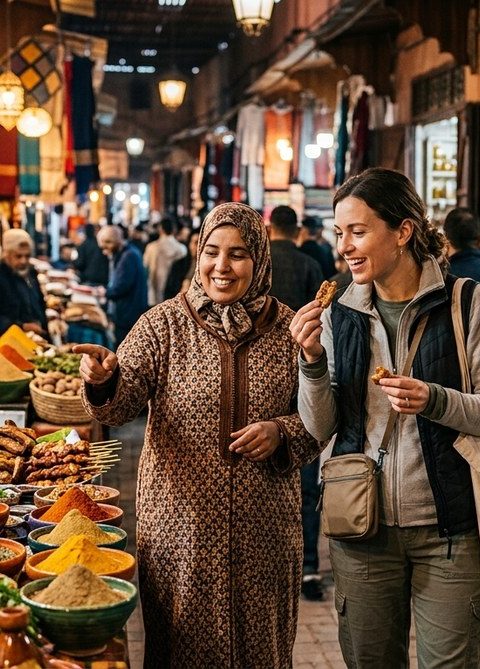
After breakfast, walk to Campo de’ Fiori. The morning market there is a feast for the eyes. You will see piles of artichokes, wild asparagus, porcini mushrooms, and pecorino wheels. Do not buy cheese to take home yet. Buy a small piece of pizza bianca from a nearby forno (bakery) and eat it while you walk. This is the Roman version of street food: simple white pizza dough, hot from the oven, with a drizzle of olive oil.
Saturday Lunch: The Quintessential Roman Meal
By 1:00 PM you should be hungry again. Head to a trattoria in the Jewish Ghetto, just south of Campo de’ Fiori. This neighborhood has some of the best fried artichokes in the city.
Order carciofi alla giudìa. Jewish-style artichokes. They are deep-fried whole, and the outer leaves become crispy like chips. Eat them with your hands. Then order tonnarelli cacio e pepe again, or try amatriciana if you want tomato sauce. Amatriciana uses guanciale (cured pork cheek), pecorino, and tomatoes. It is richer than carbonara and just as iconic.
| Dish | Main Ingredient | Best Time to Eat |
|---|---|---|
| Cacio e pepe | Pecorino, black pepper | Lunch or dinner |
| Carbonara | Egg, guanciale, pecorino | Lunch or dinner |
| Amatriciana | Tomato, guanciale, pecorino | Lunch or dinner |
| Carciofi alla giudìa | Artichokes, olive oil | Lunch (seasonal) |
| Supplì | Rice, mozzarella, tomato | Afternoon snack |
Saturday Afternoon: Gelato and a Walk
After lunch, walk toward the Pantheon. The line looks long but moves. Spend ten minutes inside, then walk to the best gelato spot in the area. Look for gelaterias where the gelato is stored in metal tins with lids. That means it is made fresh on site. Avoid places with bright, towering piles of gelato. Those are filled with air and artificial color.
Order two flavors: crema (custard) and pistacchio. Get it in a cup, not a cone. Cones drip faster, and you will be walking.
Saturday Evening: Aperitivo and Dinner
Aperitivo in Rome is a ritual. You buy a drink and get access to a small buffet of snacks. It is not a meal replacement, but it takes the edge off your hunger.
Find a bar in Monti, a neighborhood near the Colosseum. Order a negroni sbagliato. It is made with sparkling wine instead of gin. It is lighter and perfect for warm evenings.
For dinner, go to a trattoria that specializes in carbonara. The real version uses guanciale, egg yolks, pecorino, and black pepper. No cream. No pancetta. If you see cream on the menu, walk out. The egg yolk and pasta water create the silky texture. The guanciale provides the salt and fat.
“The secret to great carbonara is the emulsion. You have to beat the egg yolks and cheese together with hot pasta water until it looks like a smooth custard. Then you toss the pasta in it off the heat. If you scramble the eggs, you have to start over.” Local Roman chef, Testaccio neighborhood
Sunday Morning: Pastry Crawl
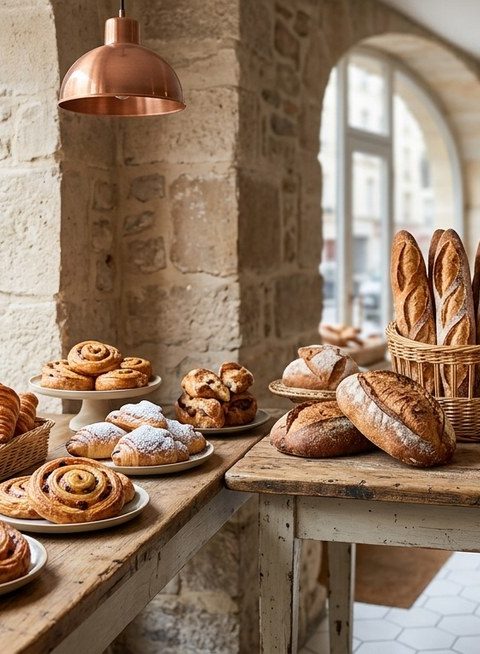
Sunday is for sleeping in slightly, then hunting pastry. Start at a bakery near the Vatican or in Prati. Order a maritozzo if you skipped it Friday. Then walk to a second bakery for sfogliatella: a layered, shell-shaped pastry filled with ricotta. It is flaky, buttery, and a little messy. Eat it over a napkin.
If you want something savory, find a pizza al taglio shop. These are bakeries that sell rectangular pizza by the slice. You pay by weight. Point at the pizza con patate (potato pizza) and the pizza con zucchine. Each slice costs around two or three euros.
Sunday Lunch: The Final Feast
Sunday lunch in Rome is an event. Families gather around large tables and eat for two hours. You should do the same.
Go to Testaccio, the historic working-class neighborhood. This is where Rome’s food soul lives. Find a trattoria that serves abbacchio alla scottadito. Milk-fed lamb chops, grilled simply with salt, rosemary, and olive oil. The name means “finger-burning lamb” because you pick them up with your hands.
Order a side of cicoria ripassata. Sauteed chicory greens with garlic and chili flakes. It is bitter, earthy, and cuts through the richness of the lamb.
For dessert, order tiramisù. The best versions use fresh mascarpone, strong espresso, and cocoa powder. If the tiramisù looks wet or runny, send it back. It should hold its shape on the spoon.
Sunday Afternoon and Evening: Light Eating
After that lunch, you will not want a heavy dinner. That is fine. Spend the afternoon walking through Villa Borghese or along the Tiber. Stop for a final gelato around 5:00 PM.
For dinner, keep it simple. Supplì is the move. These are fried rice balls stuffed with mozzarella and tomato sauce. You can find them at pizza a taglio shops and fry shops. Eat two of them with a cold beer. That is a perfect last meal in Rome.
Common Mistakes on a Rome Weekend Food Itinerary
Here are the traps people fall into. Avoid them.
- Eating at a restaurant with a picture menu. If the menu has photos, the food is frozen and reheated.
- Ordering pasta as a main course for every meal. You will burn out by Sunday. Mix in vegetables and meat.
- Drinking cappuccino after dinner. It is not a digestif. Order an amaro or a limoncello instead.
- Skipping the market. Campo de’ Fiori and Testaccio Market both offer incredible produce and prepared foods.
- Trying to see all the sights AND eat all the food. Pick two museums max. The rest of your time should be walking and eating.
How This Compares to Other Food Weekends
If you enjoy this style of travel, you might also like a weekend eating guide to Mexico City or a focused itinerary for San Sebastian’s pintxos bars. Each city has its own rhythm. Rome rewards the patient eater who walks between meals and trusts the local clock.
A longer culinary journey through Tuscany gives you more time for cooking classes and wine country, but the same principle applies: eat with the seasons, eat with the locals, and never rush the pasta.
Your Weekend Eating Checklist
Before you go, run through this list.
- Book dinner reservations for Friday and Saturday night. Popular spots fill up.
- Pack comfortable walking shoes. You will log 10 to 15 miles per day.
- Learn three phrases: “Senza glutine” (gluten free), “Senza lattosio” (lactose free), and “Il conto, per favore” (the check, please).
- Carry cash. Many bakeries and small trattorias do not take cards.
- Download a map of the historic center. Do not rely on your phone battery alone.
The Joy of Eating Rome on a Tight Schedule
A Rome weekend food itinerary is not about rushing. It is about focus. You skip the mediocre pizza chains and the sad hotel breakfast buffets. You walk with purpose from one excellent meal to the next. You learn to read a menu like a Roman. You taste the difference between fresh pasta and dried pasta. You feel the texture of real gelato versus the fake stuff.
When you fly home on Monday morning, you will not feel like you missed anything. You will feel full, satisfied, and already planning your return trip for the dishes you did not get to try. That is the sign of a successful eating weekend. Now go book that flight.