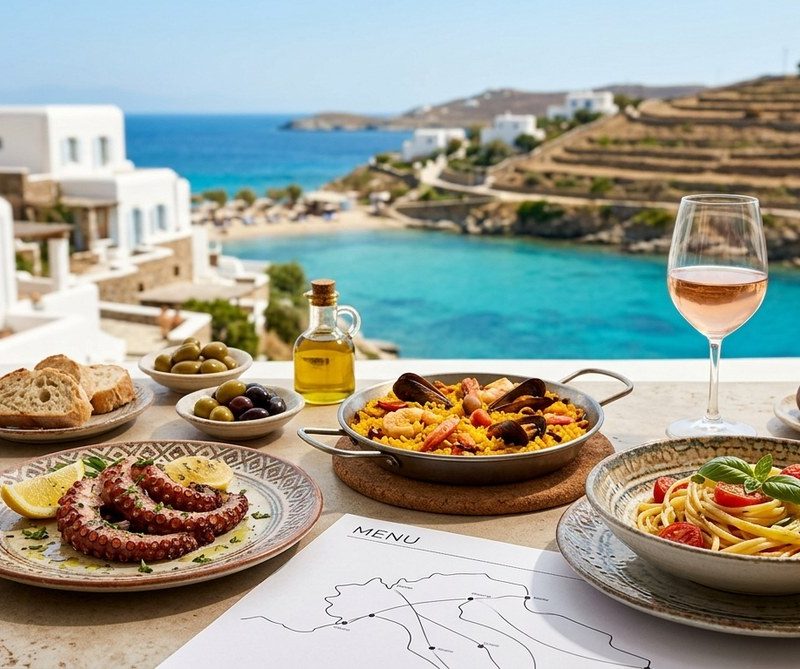
Traveling through the Mediterranean offers more than stunning coastlines and historic sites. It is a region bursting with culinary traditions rooted in centuries of history and local ingredients. For food lovers and travel enthusiasts, uncovering the best ways to experience these flavors enriches any trip. From bustling markets to seaside tavernas, top Mediterranean culinary itineraries help you taste your way through this vibrant region.
Below, we share practical steps and insider tips to craft your own delicious journey. Whether you prefer guided tours, cooking classes, or wandering local neighborhoods, this guide will help you savor the authentic tastes of the Mediterranean.
Top Mediterranean culinary itineraries combine regional ingredients, traditional cooking techniques, and local markets. Planning your route around authentic food experiences creates a memorable, flavor-filled adventure that highlights the rich diversity of this region’s cuisine.
How to plan your Mediterranean food adventure
Creating a memorable culinary journey requires thoughtful planning. Here are three practical steps to design an itinerary that highlights the region’s most iconic flavors.
1. Identify your regional highlights
Focus on key destinations known for their culinary traditions. Think about cities like Athens, Palermo, and Seville, each offering distinct regional tastes. Research local specialties such as Greek moussaka, Italian arancini, or Spanish tapas. Select places that match your interests, whether it’s street food, wine regions, or historic markets.
2. Incorporate authentic food experiences
Look for guided tours, cooking classes, and local markets. For instance, joining a market tour in Barcelona allows you to taste fresh produce and regional cheeses. Cooking classes in Sicily teach you how to make traditional dishes like caponata or cannoli. These experiences deepen your understanding of regional ingredients and culinary techniques.
3. Balance sightseeing with culinary immersion
While exploring historic sites and beaches, schedule time for food-focused activities. Allocate mornings for market visits, afternoons for cooking classes, and evenings to dine at local tavernas. This balance ensures you experience both the culture and cuisine of each destination.
Top Mediterranean destinations for authentic flavors
Each region offers unique tastes and culinary traditions. Here are some of the top stops to include in your itinerary.
Athens, Greece
Greek cuisine is renowned for its fresh ingredients and simple yet flavorful dishes. Visit the bustling Central Market of Athens for olives, herbs, and seafood. Sample souvlaki at street stalls or enjoy a sit-down meal featuring moussaka or baklava. A guided food tour can introduce you to hidden tavernas serving authentic recipes.
Palermo, Italy
Sicily’s capital boasts a rich culinary heritage blending Arab, Italian, and Mediterranean influences. Try the famous arancini rice balls, fresh seafood, and cannoli. Visiting local markets like Mercato di Ballarò immerses you in vibrant sights and flavors. Cooking classes here often focus on traditional pasta and seafood dishes.
Seville, Spain
Famous for its tapas and sherry, Seville offers a taste of Andalusian flavors. Wander through Mercado de Triana and indulge in jamón ibérico, gazpacho, and local cheeses. Many culinary tours include visits to sherry bodegas and tapas crawl experiences that reveal the region’s culinary soul.
Nice and the French Riviera
This region emphasizes fresh seafood, fragrant herbs, and Provençal vegetables. Sample ratatouille, socca, and local rosé wines. Market visits in Cours Saleya provide ingredients for a cooking class or picnic. The region’s relaxed vibe makes it perfect for leisurely food exploration.
Dubrovnik, Croatia
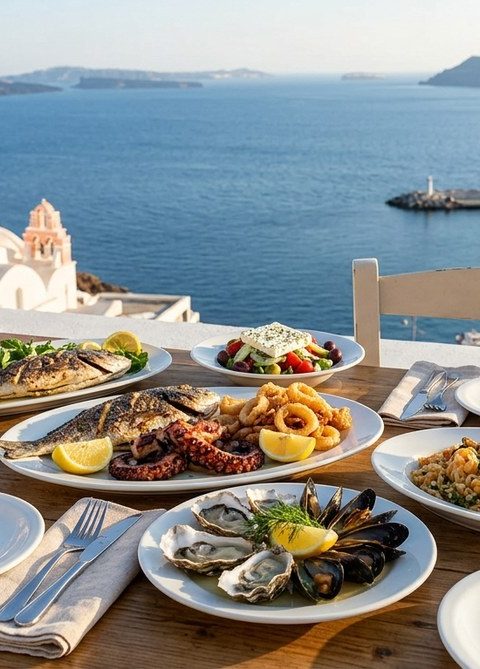
Seafood dominates the local cuisine, with fresh fish, oysters, and black risotto. The old city’s markets are full of local produce and traditional ingredients. Consider a boat trip to nearby islands for oyster tasting and wine pairing experiences.
Practical tips for a successful culinary itinerary
- Research local specialties before visiting each destination. Knowing what to try helps you make the most of your visits.
- Join guided tours or cooking classes to gain insights into regional ingredients and cooking methods.
- Visit markets early in the day to see the freshest produce and interact with local vendors.
- Pair meals with regional drinks like Greek ouzo, Italian wines, or Spanish sherries for an authentic experience.
- Keep a food journal to record flavors, recipes, and memorable meals.
Techniques and common pitfalls in Mediterranean cooking
| Technique | Mistake | Explanation |
|---|---|---|
| Sautéing | Overcrowding the pan | This causes steaming instead of browning, affecting flavor. |
| Marinating | Using too much acid | Excess acid can toughen proteins or overpower delicate flavors. |
| Grilling | Not preheating the grill | Cold grills lead to uneven cooking and sticking. |
| Baking | Overbaking bread or pastries | Dryness results; timing is key for perfect texture. |
Expert tip: “Always use fresh, quality ingredients. They are the heart of authentic Mediterranean dishes and make all the difference in flavor,” advises chef Maria Lopez, known for her regional cooking classes.
Savoring regional ingredients and dishes
Authentic flavors come from understanding the ingredients. Olive oil, fresh herbs, citrus, and seafood are staples across the region. Paying attention to local variations enriches your culinary experience.
A-Z of Mediterranean ingredients
- A for artichokes
- B for baklava
- C for couscous
- D for dolma
- E for eggplant
- F for feta cheese
- … and so on.
This alphabetical guide helps you familiarize yourself with regional foods and their significance.
Incorporating culinary traditions into your journey
Participate in regional festivals, such as olive oil harvests in Crete or wine festivals in Tuscany. These events showcase local traditions and often include tastings and cooking demonstrations.
A flavorful way to explore the Mediterranean
Creating a top Mediterranean culinary itinerary is about immersing yourself in local tastes and techniques. Combining market visits, cooking classes, and authentic dining makes your trip a delicious adventure. Remember, the goal is to understand and appreciate regional ingredients and recipes, which will stay with you long after your journey ends.
So, plan your route with curiosity and an open palate. Take time to savor each dish, ask questions, and learn from locals. This approach transforms a regular trip into a memorable food journey that celebrates the region’s rich culinary heritage.
Enjoy your flavorful Mediterranean adventure
With a little preparation and curiosity, you can craft a culinary journey that captures the essence of the Mediterranean. Whether you prefer guided tours or self-guided explorations, the region’s diverse flavors promise a rewarding experience. Use these tips to deepen your appreciation for regional ingredients and techniques, and let your taste buds lead the way. Happy eating!