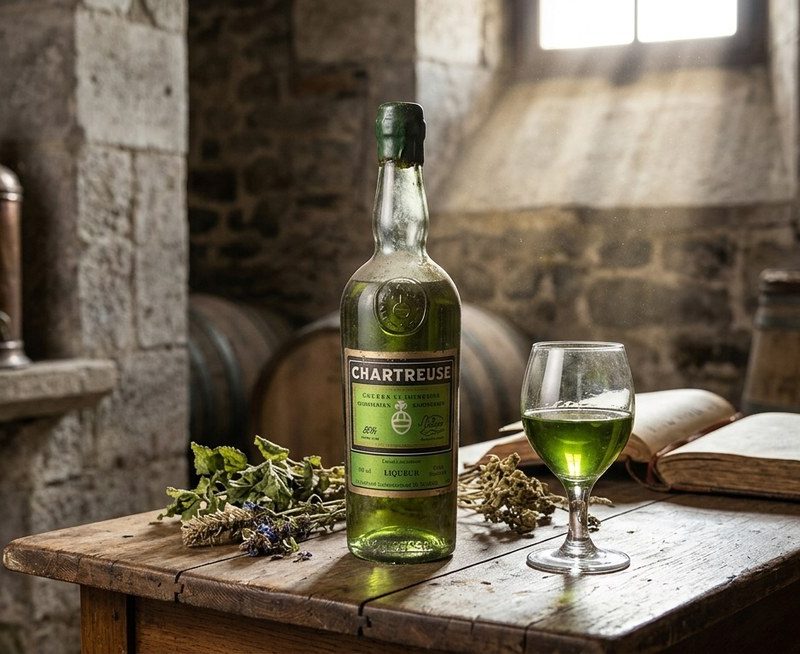
Deep within the heart of the French Prealps, a legacy of monastic dedication and botanical mastery has quietly unfolded for centuries, culminating in a spirit unlike any other. This is the story of Chartreuse, a vibrant elixir whose very name evokes mystery and rich tradition. For those eager to explore secrets chartreuse, understanding its journey means delving into a captivating narrative that spans over 400 years, beginning with a cryptic manuscript and evolving into a globally recognized liqueur.
The origins of this remarkable spirit are entwined with the Carthusian monks, who have diligently guarded its intricate recipe. Their commitment to solitude and prayer has also fostered an unwavering dedication to craftsmanship, allowing Chartreuse to maintain its unique character through centuries of change. From its initial formulation as a medicinal tonic to its current status as a celebrated liqueur, Chartreuse represents a testament to enduring heritage and exceptional quality.
We invite you on a journey to uncover the fascinating layers of this iconic beverage. Prepare to discover the historical milestones, the meticulous production process, and the distinct varieties that have cemented Chartreuse’s place in the pantheon of fine spirits. We will also examine its cultural footprint, exploring how this ancient concoction continues to inspire modern palates and mixologists alike.
Unveiling the monastic legacy: how to explore secrets chartreuse
The true genesis of Chartreuse is often traced back to the year 1605, when François Annibal d’Estrées, a marshal in the service of King Henry IV of France, presented the Carthusian monks of Vauvert, near Paris, with a mysterious manuscript. This ancient document contained the formula for an “Elixir of Long Life,” a potent blend of herbs believed to possess powerful medicinal properties. While the exact details of the recipe remained elusive, the monks, with their deep knowledge of herbalism, dedicated themselves to deciphering and perfecting this intricate formula.
The Carthusian Order itself boasts a history stretching back to the late 11th century, founded by Saint Bruno in a remote, isolated wilderness near Saint-Pierre-de-Chartreuse. The original monastery, known as the Grande Chartreuse, was established in an area renowned for its profound solitude, a setting perfectly suited for contemplation and the meticulous work required to refine such a complex elixir. Early on, the site comprised two main structures: the Lower House, which eventually housed friars and workshops, and the Upper House, where the prior and fathers resided until its destruction by landslides.
It took more than a century and a half for the monks to fully understand and master the recipe, eventually producing the Elixir Végétal de la Grande-Chartreuse in 1737. This early version was primarily distributed as a medicine by the monks themselves. The transition from a medicinal elixir to a popular liqueur occurred gradually, driven by the monks’ continuous refinement of the formula and its growing reputation. This profound connection to its monastic roots remains a defining characteristic, differentiating Chartreuse from nearly every other spirit on the market.
The alchemical artistry: crafting Chartreuse’s unique essence
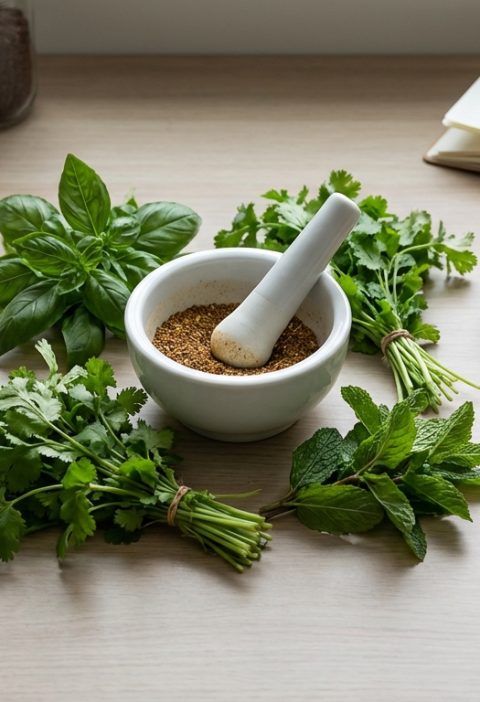
At the heart of Chartreuse’s enduring mystique lies its fiercely guarded secret recipe, known to only two Carthusian monks at any given time. This exclusivity ensures the integrity and consistency of a beverage crafted from an astonishing 130 different plants, flowers, barks, and roots. The precise proportions and methods of preparation for these botanicals are never written down, passed orally from one generation of monk to the next, a testament to an unbroken chain of tradition.
The production process itself is a meticulous journey of distillation and maceration. The chosen botanicals are carefully selected, crushed, and then steeped in alcohol. This infusion is then distilled, and the resulting spirit is aged in large oak casks within the monastery’s cellars. This aging process, which can last for several years, allows the complex flavors to meld and mature, contributing to the liqueur’s signature character and vibrant natural color. No artificial colors or preservatives are ever added, a commitment to purity that underscores the monks’ philosophy.
Each batch of Chartreuse is a labor of love, requiring patience and profound expertise. The monks oversee every stage, from the initial selection of herbs to the final bottling, ensuring that each bottle adheres to the exacting standards established centuries ago. This dedication to craft results in a spirit that is both deeply traditional and consistently excellent. Anyone seeking an excellent Chartreuse will appreciate the deep care and historical significance embedded in every sip, connecting them directly to the centuries-old monastic tradition.
A spectrum of verdant and golden hues: exploring the varieties
Chartreuse is not a singular entity but rather a family of distinct liqueurs, each offering a unique expression of the monks’ botanical prowess. While all share the fundamental essence of the original elixir, they vary in strength, sweetness, and dominant flavor notes, catering to a diverse range of palates. Understanding these differences enriches the experience of tasting this remarkable spirit.
The two most widely recognized varieties are Green Chartreuse and Yellow Chartreuse. Green Chartreuse, the more potent of the two, stands at 55% alcohol by volume (110 proof). Its complex flavor profile is characterized by strong herbal and spicy notes, often described as peppery, minty, and earthy, with hints of citrus and pine. Its vibrant green color is entirely natural, derived from the chlorophyll of the botanicals. This variant is a favorite among mixologists for its intensity and depth, adding a powerful aromatic dimension to cocktails.
Yellow Chartreuse, by contrast, is milder and sweeter, with an alcohol content of 40% (80 proof). It presents a softer, more floral bouquet, often featuring notes of honey, saffron, anise, and citrus. Its golden hue is also entirely natural, a result of the specific botanicals used in its creation. Yellow Chartreuse is often enjoyed as a digestif, on its own or over ice, and lends itself beautifully to lighter, more nuanced cocktails.
Beyond these two staples, the Carthusian monks also produce other notable expressions, including Chartreuse V.E.P. (Vieillissement Exceptionnellement Prolongé), which undergoes extended aging in oak casks, resulting in a smoother, more refined, and concentrated flavor. The original Elixir Végétal, at 69% ABV, remains true to its medicinal roots, designed to be consumed in very small quantities or diluted. These variations demonstrate the breadth of the monks’ skill and their commitment to exploring the full potential of their ancient recipe.
| Type of Chartreuse | Alcohol by Volume (ABV) | Flavor Profile | Color |
|---|---|---|---|
| Green Chartreuse | 55% (110 proof) | Intensely herbal, spicy, peppery, minty, earthy, pine, citrus | Vibrant Green |
| Yellow Chartreuse | 40% (80 proof) | Milder, sweeter, floral, honey, saffron, anise, citrus | Golden Yellow |
| Chartreuse V.E.P. (Green) | 54% (108 proof) | Smoother, more refined, concentrated herbal notes due to extended aging | Deep Green |
| Chartreuse V.E.P. (Yellow) | 42% (84 proof) | Smoother, richer, more complex sweet and floral notes from extended aging | Rich Golden Yellow |
| Elixir Végétal | 69% (138 proof) | Highly concentrated, very potent herbal and medicinal notes | Deep Green-Brown |
Chartreuse through the ages: resilience and evolution
The history of Chartreuse is not merely a tale of a liqueur; it is a chronicle of resilience, adaptation, and unwavering dedication in the face of political upheaval and changing times. From its humble beginnings as a monastic elixir, the spirit has navigated revolutions, exiles, and shifts in ownership, always returning to the stewardship of the Carthusian Order.
The period from 1084 to 1788 marks the era of the Elixir’s origins, a time when the monks refined their herbal knowledge within the solitude of the monastery. The French Revolution, however, brought significant disruption. In 1789, the monks were expelled from France, and the distillery was seized. Yet, the recipe, guarded fiercely, survived. This tumultuous period, from 1789 to 1840, paradoxically led to the birth of Chartreuse as a true liqueur, as the demand for the monks’ unique beverage continued to grow even in their absence.
The monks eventually returned, re-establishing their production and beginning the process of founding a brand from 1840 to 1902. This era saw Chartreuse gain wider recognition beyond monastic walls. However, another wave of political turmoil in 1903 led to a second expulsion, forcing the monks to relocate their distilleries. The period from 1903 to 1950 saw the “journeyings of the distilleries,” with production continuing in Tarragona, Spain, under the same monastic supervision, ensuring the recipe’s integrity remained intact.
After their eventual return to France, the monks focused on creating a new identity for Chartreuse from 1951 to 1982, solidifying its place as a premium spirit. The liqueur has since navigated the crossroads of tradition and modernity, maintaining its authentic character while adapting to contemporary tastes and markets. Its enduring appeal is a testament to the Carthusian commitment, often summarized by this profound statement:
“The secret of Chartreuse is not just in its ingredients, but in the patience and devotion of those who craft it, preserving a living tradition for centuries.”
Even today, with a view towards “Horizon 2050,” the Carthusian monks continue to manage the production and distribution, ensuring that the legacy and original spirit of Chartreuse are preserved for future generations, making it a truly timeless beverage.
Beyond the glass: Chartreuse in culture and modern mixology
Chartreuse has transcended its origins as a monastic elixir to become a celebrated fixture in global culture and contemporary mixology. Its distinctive flavor profile, coupled with its rich history, makes it a fascinating ingredient for both classic and innovative cocktails. Bartenders worldwide appreciate its complexity, using it to add depth, herbal brightness, or a unique spicy kick to their creations.
In the realm of cocktails, Green Chartreuse is a star in drinks like the Last Word, a perfectly balanced concoction of gin, maraschino liqueur, lime juice, and Chartreuse. Its vibrant character also shines in the Chartreuse Swizzle, offering a refreshing combination with pineapple and lime. Yellow Chartreuse, with its sweeter and milder notes, finds its place in drinks such as the Bijou, complementing gin and sweet vermouth, or adding a delicate herbal touch to a simple highball with soda.
The liqueur’s cultural presence extends beyond the bar. In the Auvergne-Rhône-Alpes region of France, where the Grande Chartreuse monastery is located, an annual festival, “Les Fêtes de la Chartreuse,” celebrates this iconic spirit. This event brings together locals and visitors in a lively atmosphere, enjoying music, food, and, of course, Chartreuse, highlighting its deep connection to the regional identity. The festival is a vibrant expression of local pride, demonstrating how a beverage can become ingrained in the fabric of a community.
For those interested in exploring the versatility of this unique liqueur, resources like lobsterbook.com offer further insights into its uses in various culinary and mixology contexts. Its ability to surprise and delight, whether enjoyed neat, on the rocks, or as part of a sophisticated cocktail, ensures its continued relevance in the ever-evolving world of spirits. The enduring fascination with Chartreuse speaks volumes about its unique appeal, drawing enthusiasts into its centuries-old story.
Here are a few popular cocktail applications for Chartreuse: The Last Word: Equal parts Gin, Green Chartreuse, Maraschino Liqueur, Fresh Lime Juice. an excellent Chartreuse provides additional insights on this topic. Chartreuse Swizzle: Green Chartreuse, Pineapple Juice, Fresh Lime Juice, Falernum. Bijou: Gin, Sweet Vermouth, Yellow Chartreuse, Orange Bitters. Greenpoint: Rye Whiskey, Sweet Vermouth, Green Chartreuse, Angostura Bitters, Orange Bitters. Verte Chaud (Hot Green): Green Chartreuse served warm, often with a twist of lemon, perfect for chilly evenings. Embracing the legacy: a timeless spirit Our journey through the vibrant history of Chartreuse reveals more than just the story of a liqueur; it uncovers a testament to unwavering tradition, profound botanical knowledge, and an exceptional commitment to quality. From its clandestine origins in a 17th-century manuscript to its current status as a revered spirit, Chartreuse stands as a unique icon in the world of beverages. The Carthusian monks, with their dedication to silence and meticulous craft, have not only preserved an ancient recipe but have also created a living legacy. Each bottle of Chartreuse carries with it the echoes of centuries of prayer, experimentation, and steadfast resolve, embodying a spirit that is both ancient and eternally relevant. Its distinct flavor, natural colors, and complex character continue to captivate palates, inspiring bartenders and connoisseurs alike. As we reflect on the many facets of Chartreuse, from its enigmatic recipe of 130 botanicals to its resilience through historical upheavals, its appeal becomes clear. It represents a rare blend of heritage and sensory delight, inviting us to savor a piece of history with every sip. The enduring presence of Chartreuse in our modern world reminds us of the timeless value of authenticity and the profound beauty found in traditions carefully maintained.