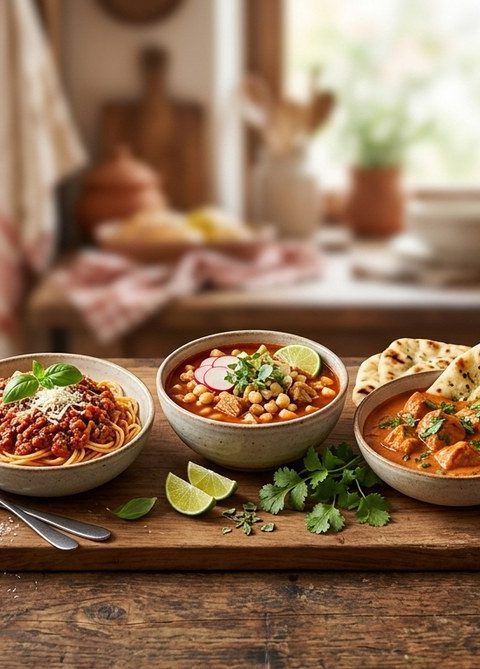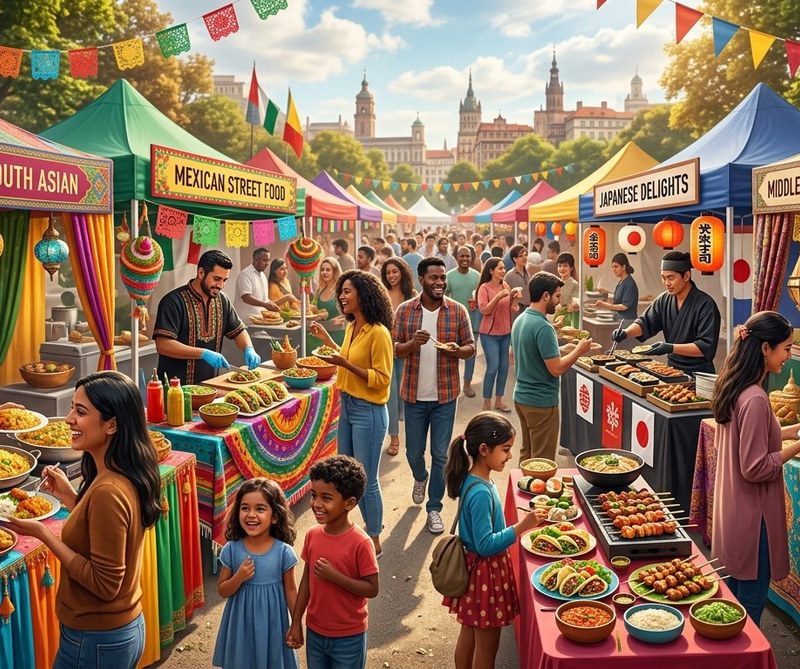
Food festivals celebrating cultural heritage are more than just events filled with delicious dishes. They serve as vibrant platforms that honor traditions, connect communities, and keep culinary stories alive for future generations. These festivals highlight the rich tapestry of customs, history, and artistry woven into each dish. In 2026, such celebrations continue to thrive across continents, reminding us that food is a powerful way to understand and appreciate cultural identity.
Food festivals that celebrate cultural heritage serve as living museums. They preserve traditional recipes, promote community bonding, and foster cross-cultural understanding. These events turn food into a universal language, making them vital for cultural sustainability and tourism growth in 2026.
The Significance of Food Festivals in Celebrating Cultural Heritage
Food festivals dedicated to cultural heritage provide a unique glimpse into the traditions that shape societies. They act as bridges between the past and present, allowing communities to showcase their culinary roots. These festivals often feature traditional music, dance, artisan crafts, and storytelling, turning a simple meal into a cultural experience. They also play a vital role in preserving ancestral recipes that might otherwise fade away as generations change.
Beyond cultural preservation, these festivals foster social cohesion. They bring together locals and visitors, creating spaces where cultural exchange flourishes. Such gatherings reinforce a sense of pride and belonging, especially for communities with rich histories. The economic impact is also notable, as festivals attract tourism, support local artisans, and boost small businesses.
In 2026, the global landscape of food festivals continues to grow, emphasizing sustainability and authenticity. They serve as platforms for educational programs that teach about regional ingredients, cooking techniques, and the history behind dishes. This educational aspect ensures that culinary traditions remain vibrant and relevant.
Celebrating Heritage Through Regional Food Festivals
Many regions around the world hold annual festivals that highlight their unique culinary identity. Here are some notable examples:
- Italy’s White Truffle Festival in Alba celebrates one of Italy’s most prized ingredients. It showcases local artisans, chefs, and the region’s rich history of truffle hunting.
- Mexico’s Feria Nacional del Elote in Jala emphasizes the cultural importance of corn, a staple ingredient integral to Mexican cuisine and identity.
- France’s Salon du Fromage in Paris brings cheeses from across the country, emphasizing France’s centuries-old cheese-making traditions.
- Japan’s Hokkaido Seafood Festivals highlight the region’s connection to the sea, with fresh catches and seafood-based dishes reflecting local fishing heritage.
- India’s International Mango Festival in Delhi celebrates the nation’s beloved fruit, which holds cultural and spiritual significance in many Indian traditions.
These festivals often feature cooking demonstrations, traditional music, and craft markets. They serve as a way for communities to showcase their culinary stories and keep them alive amidst modernization.
“Food festivals are like cultural archives. They preserve recipes, techniques, and stories that define a community’s identity,” says culinary historian Dr. Linda Graham.
How Food Festivals Foster Cultural Understanding
Participating in food festivals celebrating cultural heritage offers more than just tasting new dishes. It provides an immersive experience into different ways of life. Visitors learn about the history behind traditional ingredients, the significance of specific cooking methods, and the symbolism embedded in food rituals.
A practical way to engage with these festivals includes:
- Research regional festivals you wish to attend or learn about.
- Plan your visit during peak event days to enjoy performances and demonstrations.
- Engage with local artisans and chefs to gain insights into their culinary traditions.
These activities encourage curiosity and respect for cultural diversity. They also help communities sustain their food heritage by passing down knowledge through workshops and storytelling.
Techniques and Common Mistakes in Preserving Culinary Heritage
Preserving culinary traditions requires intentional effort. Here’s a quick guide:
| Technique | Mistake to Avoid |
|---|---|
| Document recipes and methods | Relying solely on oral transmission |
| Support local artisans | Using commercial ingredients instead of traditional ones |
| Incorporate traditional cooking techniques | Modern shortcuts that alter authentic flavors |
| Promote festivals that celebrate heritage | Over-commercialization that dilutes cultural meaning |
To ensure authenticity, focus on sourcing regional ingredients and respecting traditional preparation methods.
“Authentic culinary preservation is about understanding the cultural context as much as the dish itself,” advises Chef Marcus Lee.
How to Participate in or Organize a Cultural Food Festival
Whether you’re attending or planning a festival, here are practical steps:
- Identify the cultural aspect you want to showcase—be it a dish, ingredient, or tradition.
- Collaborate with community members or cultural organizations to ensure authenticity.
- Plan activities such as cooking classes, storytelling sessions, and artisan markets.
- Choose a suitable venue that reflects the festival’s spirit—outdoor parks, community centers, or historic sites.
- Promote inclusivity by inviting diverse groups to participate and learn.
Organizing a festival involves careful coordination, but the reward is creating a space where heritage can be celebrated and shared broadly.
The Future of Food Festivals and Cultural Preservation
In 2026, food festivals will likely incorporate more digital components—virtual tours, online workshops, and social media campaigns—to reach wider audiences. Sustainability will also be a focus, encouraging the use of local ingredients, eco-friendly packaging, and waste reduction.
These festivals will continue to serve as vital platforms for storytelling, education, and community bonding. They reinforce that food is more than sustenance; it is a reflection of history, identity, and resilience.
A Delicious Way to Keep Culture Alive
Cultural food festivals remind us that every dish carries a story. Participating in or supporting these events helps preserve traditions and fosters understanding across cultures. As you plan your travels or local outings in 2026, seek out festivals that celebrate heritage through food. Your curiosity and participation can make a meaningful difference in keeping culinary traditions vibrant for generations to come.
Remember, food is a powerful connector. Use it to learn, share, and celebrate the cultural stories that make our world diverse and delicious.