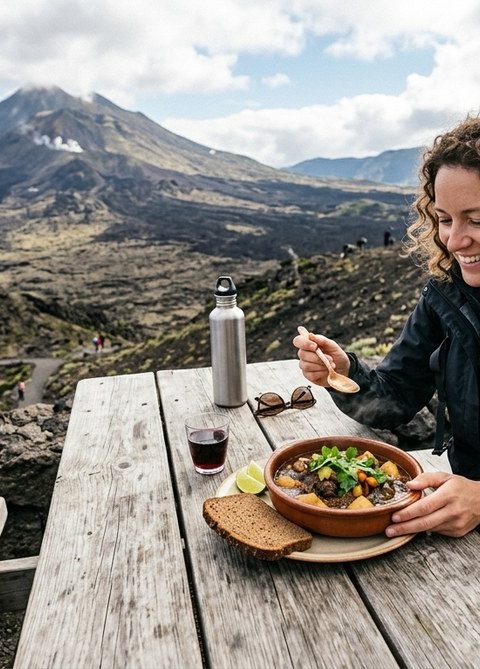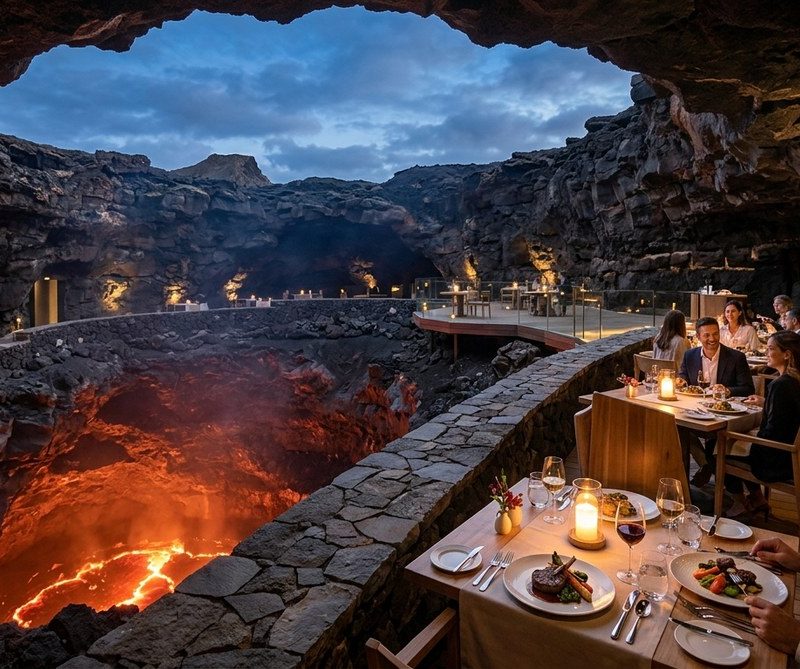
Lava fields, steam vents, and a view into the earth’s fiery core. Dining inside a volcano sounds like a scene from a fantasy novel. But it’s a real travel trend that adventurous food lovers are chasing in 2026. From restaurants perched on the rim of an active crater to multi-course meals cooked by geothermal heat, the volcano dining experience is one of the most memorable meals you’ll ever have. Let’s dig into what it actually entails, where to find it, and how to make the most of it.
A volcano dining experience isn’t just about the meal—it’s about the setting. Whether you’re eating at a cliffside restaurant on Mount Etna in Sicily or booking a geothermal picnic in Hawaii Volcanoes National Park, you’ll find dishes that reflect the volcanic terroir. Expect local ingredients, smoky flavors, and a few logistical challenges. The key is to reserve well in advance, dress in layers, and arrive hungry for both food and atmosphere.
The Allure of Eating on an Active Volcano
There’s something primal about sitting down to a meal while the ground beneath you pulses with geothermal energy. The volcano dining experience appeals to two strong impulses: the desire for novelty and the love of great food. In Hawaii, you can book a dinner at the Volcano House, which overlooks the Halema‘uma‘u crater within Hawaii Volcanoes National Park. The menu features local fish, taro, and macadamia nuts—ingredients that grow in the rich volcanic soil. Across the Atlantic, Sicily offers a different kind of volcano dining. Restaurants on the slopes of Mount Etna use the mountain’s microclimate to produce world-class wines, cheeses, and olive oils. A meal there isn’t just scenic; it’s a lesson in terroir.
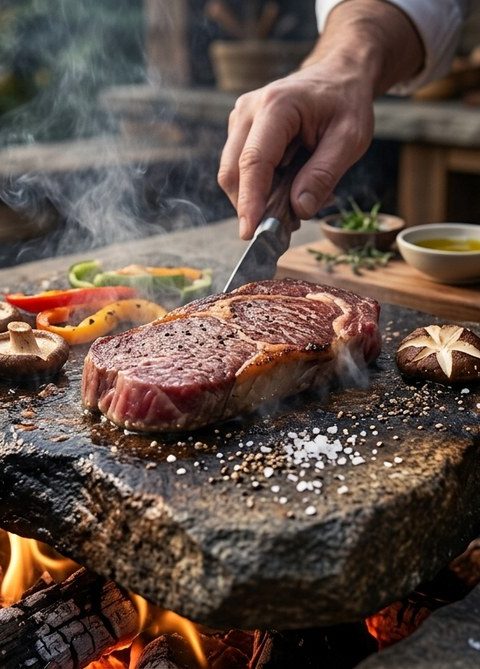
But the experience isn’t limited to traditional restaurants. Some tour operators now offer “geothermal cooking” experiences where food is actually cooked using the steam vents of a volcano. You might find chicken, sweet potatoes, and eggs buried in the hot ground, wrapped in leaves, and left to steam for hours. It’s a throwback to ancient cooking methods, and it tastes incredible.
Planning Your Volcano Dinner: A Step-by-Step Guide
Getting a seat at a volcano dining experience takes more than just showing up. Here’s a simple process to follow:
- Pick your volcano destination. The two most famous options are Kīlauea in Hawaii and Mount Etna in Sicily. Each offers different styles: Hawaii focuses on national park lodges and geothermal picnics; Sicily offers upscale restaurants with wine pairings.
- Check current activity levels. Volcanoes are unpredictable. In 2026, Kīlauea continues to erupt periodically, which can close parts of the park. Always check the National Park Service website or local guides before you book.
- Reserve a table weeks in advance. The Volcano House restaurant books out months ahead, especially during peak tourist seasons. For Sicily, call restaurants like Ristorante Il Cantuccio or La Capannina at least two weeks out.
- Prepare for the elements. Volcano dining often means high altitude, wind, and chilly evenings. Bring a jacket, closed-toe shoes, and sunscreen. The sun reflects off lava fields strongly.
- Opt for a guided tour if you want geothermal cooking. Several companies offer volcano cooking tours that include a hike, a cooking demonstration, and a meal cooked with volcanic steam. It’s a hands-on way to experience the volcano dining experience.
What to Expect on Your Plate
Volcanic soil is incredibly fertile. The minerals from ancient lava flows create some of the most flavorful produce on earth. When you dine near a volcano, you’re eating the landscape. Here’s a look at common ingredients and dishes you’ll find:
- Hawaii: Ahi poke, grilled ono, poi, and lomi-lomi salmon. Many restaurants feature the “bento box” style meal for lunch, but dinner is more elaborate. Look for dishes that use local sea salt, which is harvested from ocean water filtered through volcanic rock.
- Sicily: Pasta alla Norma (eggplant, ricotta, basil), grilled swordfish, and cannoli. Etna’s volcanic wines—particularly Nerello Mascalese—are a must. They have a distinct minerality that pairs perfectly with roasted meats.
- Geothermal cooking: In Hawaii, you can try “imu” style cooking: a pig or chicken is slow-cooked in a pit lined with hot rocks. In Iceland, some tours offer rye bread baked in the ground using geothermal heat. The bread comes out dark, dense, and slightly sweet.
Best Practices and Common Pitfalls
A volcano dining experience can be incredible, but it can also be ruined by poor planning. Here’s a table to help you avoid mistakes:
| What to Do | What to Avoid |
|---|---|
| Reserve reservations at least one month ahead | Showing up without a booking, especially at peak hours |
| Bring layers and a windbreaker | Wearing sandals or flip-flops (lava rock is sharp) |
| Check volcano hazard alerts before your trip | Assuming the restaurant will be open if the park is closed |
| Ask for a table with a crater view at least two hours before sunset | Requesting a table at the last minute (rarely works) |
| Try local volcanic wines or sea salts | Ordering generic imported dishes (you’re there for the local flavor) |
What Experts Say About Volcano Dining
“The most important thing is to respect the volcano. It’s not a theme park. The restaurant experience is incredible, but you must always prioritize safety. Check with park rangers about gas levels and trail conditions. If they advise against going near the crater, listen. The meal will still be there when it’s safe.” — Chef Keoni Chang, former executive chef at Volcano House
That advice rings true. In 2026, Kīlauea continues to produce vog (volcanic smog) that can affect air quality. Some dining spots on Etna have been temporarily closed due to increased seismic activity. Flexibility is part of the adventure.
Where to Go Beyond the Big Two
While Hawaii and Sicily dominate the volcano dining conversation, other destinations are emerging. In Iceland, you can dine at the Fridheimar restaurant, which is a greenhouse heated by geothermal energy. You eat among tomato plants while sitting above a volcanic hot spring. In Costa Rica, some eco-lodges near Arenal Volcano offer dinners cooked using thermal hot springs. And in Japan, the onsen towns near Mount Fuji often serve kaiseki meals in ryokans with views of the dormant peak.
If you’re interested in other unusual food experiences, you might enjoy our guide to underground dining experiences around the globe or our collection of 7 bizarre delicacies for the truly courageous eater.
The Role of Timing in Volcano Dining
Volcanoes don’t keep regular hours, and neither should your expectations. The best time to book a volcano dining experience is during the shoulder season—April to June or September to November. Crowds are thinner, and the weather is more stable. In Hawaii, winter months can be rainy, and summer brings higher prices. For Sicily, avoid August when the heat is oppressive and many Italians are on holiday.
During an eruption, some restaurants become even more popular because visitors want to see lava at night. Be aware that when Kīlauea is actively erupting, the Volcano House might be too close to the action and could close temporarily. Always have a backup dining plan.
Combining a Volcano Meal with a Culinary Tour
A volcano dining experience can be the centerpiece of a larger food-focused trip. Consider building your itinerary around the volcano while also visiting local farms, markets, and wineries. In Sicily, you can spend a day on the slopes of Etna, then head to the town of Taormina for seafood. In Hawaii, you can do a farm tour in the morning, a volcano hike in the afternoon, and end with dinner at the crater’s edge.
For inspiration, check out our top culinary itineraries for Mediterranean flavors or our guide to food festivals in the U.S. for 2026. A volcano dinner fits beautifully into a larger culinary journey.
Is Volcano Dining Worth the Hype?
Let’s be honest: it’s not cheap. The Volcano House dinner runs about $60–$80 per person without drinks. Etna’s finer restaurants can top $100 per person. But you’re paying for the setting as much as the food. The sight of steam rising from a crater while you sip a glass of Etna Rosso is something you won’t forget. And the flavors, shaped by volcanic minerals, are unlike anything you can get elsewhere.
If you’re a traveler who loves to combine food and adventure, a volcano dining experience is a bucket-list must. Just go in with realistic expectations: the food is good, sometimes excellent, but it’s the environment that makes it extraordinary.
Safety First: What to Know Before You Go
Volcano dining involves some inherent risks. Active volcanoes emit sulfur dioxide and other gases. People with respiratory issues should consult a doctor before visiting. Always stay on marked trails. Never attempt to approach the crater rim on your own. Guided tours are the safest way to experience geothermal cooking because they know the safe zones.
Also, remember that cell service can be spotty near volcanoes. Download offline maps and have a physical backup plan. The volcano dining experience is unforgettable, but it should never come at the expense of your safety.
Bringing the Volcano Home
Can’t make it to a volcano? You can recreate a bit of the experience with a few ingredients. Use volcanic sea salt in your cooking. Try making a dish with smoked paprika and chilies to mimic the earthy, smoky notes of a volcano-cooked meal. Pair it with a full-bodied red wine like a Nero d’Avola. It’s not the same as dining on an active crater, but it’s a tasty start. You can also read about how food reflects cultural identity around the world to deepen your appreciation of regional cooking.
Your Next Step
If you’re planning a trip to Hawaii or Sicily in 2026, make the volcano dining experience a priority. Start by checking the official park websites, then book your table and your tour. Pack smart. Arrive early. And when you sit down to that meal with a view of the earth’s raw power, take a moment to appreciate how food and geology can come together in one unforgettable evening. The volcano is patient. So should you be.