You open your refrigerator and grab a carton of eggs. You glance at the price sticker and sigh. It feels like everything costs more these days. But the reason is not just inflation. The real story starts far from the grocery store, in fields, orchards, and oceans. The weather is changing, and so is the food we eat. Understanding how climate change affects food is not just for scientists or farmers. It matters to anyone who shops, cooks, or eats. Let us walk through the hidden links between a warming planet and your next meal.
Climate change is not a distant problem. It is already reshaping what you eat and how much you pay for it. Warmer temperatures stress crops, alter flavors, and disrupt supply chains. From the olive oil on your salad to the coffee in your mug, every ingredient carries a climate story. Knowing these connections helps you make smarter choices at the store and in the kitchen.
The Rising Cost of Your Grocery Bill
You have noticed it at checkout. The price of a loaf of bread, a bag of apples, or a piece of chicken keeps climbing. One major reason is how climate change affects food production at its most basic level. Extreme weather events like droughts, floods, and heat waves destroy harvests. When a wheat field in Kansas gets wiped out by a sudden hailstorm, the supply shrinks. Less supply means higher prices for everyone.
This is not a future scenario. It is happening right now. In 2026, farmers across the Midwest are dealing with unpredictable growing seasons. Some crops fail entirely. Others produce smaller yields. The result is a tighter market where basic staples cost more. The same logic applies to meat. When corn feed gets expensive, raising cattle costs more, and that cost passes to you.
How Your Morning Coffee Is Changing
Coffee lovers are feeling the shift. The beans that make your morning brew grow best in specific temperature ranges. As the planet warms, the land suitable for coffee cultivation is shrinking. Pests that used to die off in cold winters now survive year round. Rust fungus, a disease that attacks coffee leaves, thrives in warmer, wetter conditions.
Here is a simple breakdown of what is happening to your coffee:
- Higher temperatures force coffee farms to move to higher altitudes.
- Suitable mountain land is limited, so total production drops.
- Lower supply and higher demand push prices upward.
- Farmers switch to hardier, but less flavorful, bean varieties.
- Your morning cup becomes more expensive and less complex in taste.
The coffee you drink today may not taste the same in five years. That bright, fruity note you love could become harder to find. Many specialty roasters are already struggling to source the high quality beans they need.
The Flavor Shift in Your Favorite Produce
It is not just about cost. The taste of fruits and vegetables is changing too. Plants use sugar and acid balance to create flavor. When temperatures rise, plants mature faster. They do not have as much time to develop complex sugars. The result is produce that looks ripe but tastes bland.
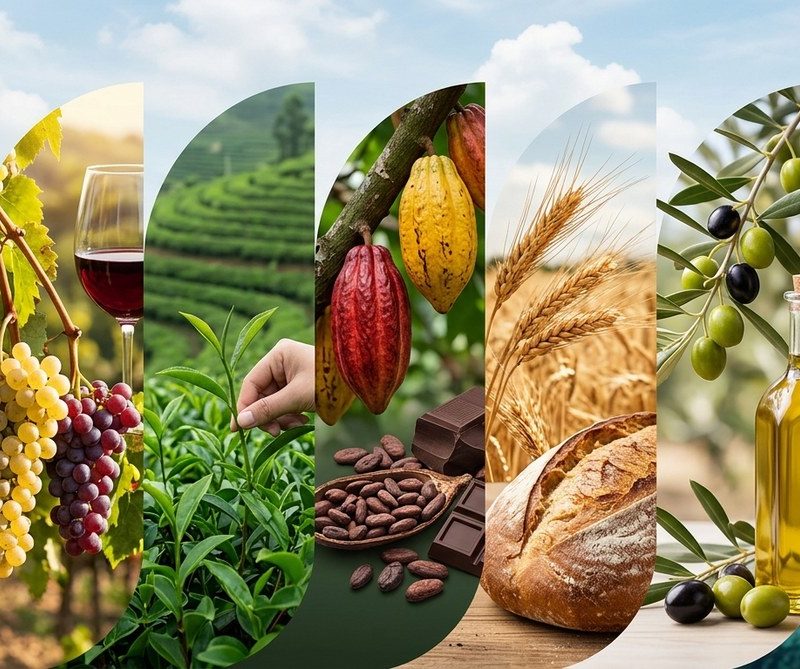
Think about a tomato. A tomato grown in extreme heat often has less sweetness and a watery texture. The same goes for apples, grapes, and melons. Winemakers in California and France are seeing their grapes ripen too early. The sugar levels spike, but the phenolic compounds that give wine its character never fully develop. The wine ends up with higher alcohol and less nuance.
A few key crops that are losing flavor due to warming:
- Apples (less crunch, lower acidity)
- Grapes (higher sugar, muted tannins)
- Berries (smaller size, diluted sweetness)
- Stone fruits like peaches and plums (mealy texture, less aroma)
Seafood on the Move
The ocean is warming too. Fish and shellfish are cold blooded. They follow the water temperatures they need to survive. This means many species are migrating toward the poles. Lobster, for example, has moved north from New England to Canadian waters. Gulf shrimp are shifting their patterns. Cod populations in the Atlantic are collapsing in their traditional grounds.
This migration changes what ends up on your dinner plate. Local seafood that was once abundant becomes scarce. Fishermen must travel farther, burning more fuel, which raises prices. Some species disappear from certain regions entirely. If you love oysters, you should know that ocean acidification, another result of climate change, makes it harder for shellfish to build their shells. Oyster farms in the Pacific Northwest have struggled with dying larvae for years.
The Olive Oil Squeeze
Olive oil is a pantry staple for many American kitchens. But olive trees are sensitive to temperature and water. The Mediterranean region, which produces most of the world’s olive oil, has faced repeated droughts and heat waves. In Spain, the largest producer, harvests have dropped dramatically in recent years.
When olive production falls, the price of olive oil spikes. You may have already seen this at the store. A bottle of extra virgin olive oil that cost eight dollars a few years ago now costs fifteen or more. Some producers are blending lower quality oils to keep prices down. The peppery, grassy flavor you love may be diluted.
What This Means for Your Kitchen
So how do you cook and shop in a world where how climate change affects food is so visible? You do not have to overhaul your entire life. Small shifts can make a big difference.
Here are a few practical steps to adapt:
- Buy seasonal produce when it is at its peak. It costs less and tastes better.
- Support local farmers who use sustainable practices. They are often more resilient to weather shocks.
- Reduce food waste. When you throw away food, you waste the water, energy, and labor that went into growing it.
- Try plant based meals a few times a week. Growing plants directly for human food uses fewer resources than raising animals for meat.
- Learn to cook with alternative grains like millet, sorghum, or buckwheat. These crops tolerate heat and drought better than wheat or rice.
A Closer Look at Adaptation Methods
Farmers and food producers are not standing still. They are adapting to the new reality. Some of these adaptations work well. Others come with trade offs.
| Adaptation | What It Does | Potential Downside |
|---|---|---|
| Heat resistant crop varieties | Keeps yields stable | May change flavor or texture |
| Indoor vertical farming | Controls environment completely | High energy use and cost |
| Shifting planting dates | Avoids extreme heat | Disrupts traditional crop rotations |
| Irrigation improvements | Reduces water waste | Expensive for small farms |
| Moving farms to higher ground | Finds cooler temperatures | Limited available land |
Each of these methods helps, but none is a perfect fix. The food system is complex, and every solution creates new challenges.
“We are seeing a fundamental shift in what can be grown where. The map of global agriculture is being redrawn in real time. The foods your grandparents took for granted may not be available to your children.” Dr. Elena Marchese, agricultural climatologist at UC Davis.
The Hidden Cost of Processed Foods
Processed foods are not immune either. Many packaged goods rely on commodity crops like corn, soy, and wheat. When climate stress hits these crops, the price of everything from breakfast cereal to cooking oil goes up. Manufacturers often respond by changing recipes. They substitute cheaper ingredients to maintain profit margins.
This means your favorite snack might taste different even if the label looks the same. The texture of a cracker, the sweetness of a granola bar, the creaminess of a salad dressing all depend on the raw ingredients. When those ingredients change, the final product changes too. Reading ingredient lists becomes more important than ever.
Why Regional Cuisines Are at Risk
Traditional cuisines are built around local ingredients. Italian cooking relies on durum wheat for pasta and specific olive varieties for oil. Japanese cuisine depends on particular rice strains and fish species. Mexican food uses native corn and chiles.
As the climate shifts, these ingredients become harder to grow in their original regions. Pasta made from Canadian wheat is not the same as pasta from Italian grain. Sushi made with farmed salmon instead of wild bluefin is a different experience. The cultural identity of a dish is tied to the land it comes from. When that land changes, the dish changes too.
If you are planning a trip to taste the best of a region like Oaxaca, you may notice that some traditional ingredients are harder to find or more expensive. The same is true for a culinary weekend in Portland, Oregon, where local farms are adapting to warmer summers and wetter winters.
A New Way to Think About Your Plate
The link between weather and food is not a theory. It is a daily reality. Every time you walk into a grocery store, you are seeing the results of how climate change affects food. The prices, the flavors, the availability, all of it is shifting.
You do not need to become an expert. You just need to pay attention. Notice when your favorite fruit tastes different. Ask your local farmer how the season went. Try new ingredients that are better suited to the current climate. The more you understand where your food comes from, the better equipped you are to adapt.
Cooking with Resilience in Mind
Your kitchen can be a place of adaptation. Try recipes that use ingredients from different regions. Learn to cook with grains and legumes that store well and grow in varied conditions. Experiment with spices and herbs that add flavor without relying on a single crop.
For example, ancient grains like farro and freekeh are making a comeback because they tolerate heat better than modern wheat. Building a meal plan around what is in season saves money and supports local agriculture. And understanding basic cooking techniques like mis en place helps you waste less food.
Your Role in the Bigger Picture
You are not powerless. Every purchase is a vote. When you choose ingredients that are grown sustainably, you support farming methods that are better for the planet. When you reduce waste, you lower the demand that drives intensive agriculture. When you cook at home, you control what goes into your body and your budget.
The food system is huge, but your choices matter. Start small. Swap one ingredient this week. Try a new grain. Buy a vegetable you have never cooked before. Each step builds knowledge and resilience.
What the Future of Dinner Looks Like
The next decade will bring more changes. Some foods will become luxuries. Others will disappear from regular grocery shelves. But new foods will appear too. Drought resistant legumes, hybrid fruits, and lab grown proteins are already entering the market. The key is to stay curious and flexible.
Your dinner plate will not look the same in ten years. That is not necessarily bad. It just means you have an opportunity to learn, adapt, and discover new flavors. The story of how climate change affects food is still being written. You get to be part of it.
Adapting Your Shopping and Cooking Habits
Let us pull all of this together into a simple list of actions you can take starting today.
- Check the label on your olive oil. Look for single origin bottles from producers who practice dry farming.
- Buy frozen fish that is caught sustainably. Species like mackerel and sardine are more resilient to warming oceans.
- Store your produce properly to make it last longer. Use airtight containers for greens and keep apples away from other fruit.
- Cook with heat tolerant greens like kale, Swiss chard, and collards. They hold up better in hot weather and cost less.
- Support farmers markets. The people selling there can tell you exactly how the season affected their crops.
The Bottom of the Bowl
You do not need to solve climate change to eat well. But understanding how climate change affects food helps you make smarter choices. You save money. You eat better. You support a food system that can last.
Next time you sit down to dinner, take a moment. Look at your plate. Think about the journey each ingredient took to get there. The farmer who grew it. The weather that shaped it. The truck that carried it. It is a small act of awareness, but it connects you to something bigger.
Keep cooking. Keep asking questions. Keep adapting. That is how we move forward, one meal at a time.