The dish you reach for after a long, draining day is rarely just a meal. It is a time machine. The warmth of a bowl of soup, the crunch of a golden spring roll, the creamy sweetness of rice pudding; each bite carries memories of a kitchen, a voice, a place. Your favorite comfort food is a living document of your cultural roots. It tells the story of where your family came from, what they survived, and how they celebrated. In the United States in 2026, where culinary lines blur more each year, that personal connection to tradition matters more than ever. This article explores the deep link between comfort food and cultural identity. You will see your own pantry in a new light.
The comfort food you crave is not random. It reflects centuries of migration, climate, family ritual, and emotional memory. By understanding its origins, you reconnect with your heritage and pass it forward. Every bowl of gumbo, plate of pierogi, or slice of apple pie holds a cultural fingerprint waiting to be read.
What Comfort Food Really Means Across Cultures
Comfort food is not universal. A person from southern India might crave a bowl of sambar rice, while someone from the American South reaches for collard greens and cornbread. Both dishes offer more than nutrition. They offer a sense of safety. Food anthropologists note that our brains associate the flavors of childhood with care and protection. The smell of a specific spice or the texture of a homemade noodle can trigger an emotional response rooted in early life. That response is shaped by the ingredients your culture valued, the cooking methods your ancestors used, and the specific dishes that marked important moments.
In Mexican households, for example, a bowl of posole is more than a soup. It appears at New Year’s celebrations, family reunions, and birthdays. The hominy, pork, and red chili broth connect the eater to Mesoamerican traditions that go back thousands of years. In Japan, a simple bowl of okayu (rice porridge) is synonymous with being sick as a child. It is gentle, warming, and directly linked to maternal care. Every culture has its own version of that healing bowl. The ingredients change, but the emotional purpose stays the same.
How Regional Ingredients Shape Your Cravings
Geography and climate have a heavy hand in dictating what becomes a culture’s comfort food. In northern climates, where winters are long and cold, comfort foods tend to be dense, hearty, and slow-cooked. Think of the Irish stew, the Hungarian goulash, or the Russian pelmeni. These dishes rely on root vegetables, preserved meats, and rich broths to sustain people through harsh months. In tropical regions, comfort foods often feature rice, fresh herbs, coconut milk, and lighter proteins. A bowl of Vietnamese pho or Thai khao soi offers soul-soothing broth without the heaviness of a stew.
This regional logic explains why your comfort food might feel foreign to someone from another coast. If you grew up in the Pacific Northwest, your comfort palate might lean toward smoked salmon chowder. If you grew up in the Texas borderlands, you might crave chili with beans (or without, depending on your family’s rules). The geography of your cultural roots is written in the ingredients you learned to love before you could even speak. That connection is so strong that immigrants often recreate these dishes in new lands, using local substitutes that later become part of a new tradition.
Family Recipes as Cultural Heirlooms
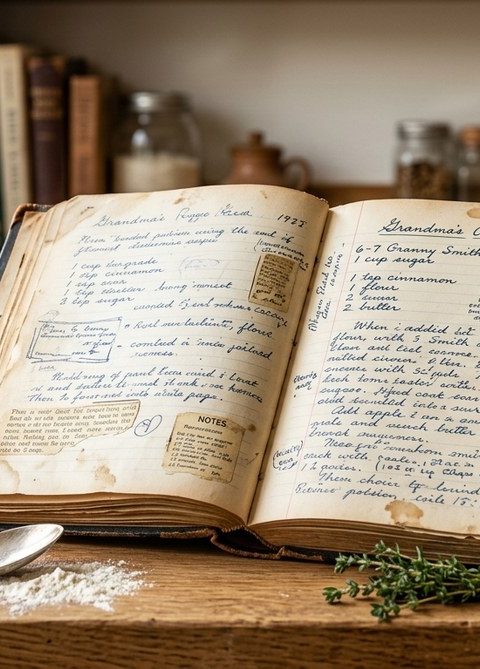
A recipe card in your grandmother’s handwriting is worth more than any cookbook. Family recipes carry stories that official cookbooks never capture. The pinch of spice that “only Aunt Rosa adds” or the secret to a flaky pie crust might trace back to a specific village in Sicily or a farm in Kansas. These recipes are passed down not just as instructions, but as rituals. The kneading of dough, the slow stirring of a sauce, the exact shape of a dumpling; all of these are learned by watching and doing.
When you choose that particular dish as your comfort food, you are signaling loyalty to a specific lineage. You are saying that the version made by your family matters. That is why a disagreement over the “right” way to make chili or the correct filling for a tamale can feel so personal. The dish belongs to a story of survival. For many African American families, a pot of collard greens with smoked turkey is a direct link to the culinary creativity born from enslavement and the resilience that followed. For Italian Americans, that pot of Sunday gravy bubbling on the stove represents generations of immigration and adaptation. Your favorite comfort food is a quiet act of cultural preservation.
Festivals and Holiday Foods That Stick
Some comfort foods become inseparable from specific holidays. The annual return of Christmas tamales in Mexican homes, the lunar New Year dumplings in Chinese families, or the Thanksgiving turkey in American households all anchor people to their cultural calendar. These foods carry a double weight of meaning: the pleasure of eating something delicious plus the emotional high of a shared celebration.
The craving for these dishes often arrives before the holiday itself. If your comfort food is a seasonal one, it might reflect a culture that marks time through food. In Jewish culture, latkes at Hanukkah connect eaters to the miracle of oil. In Greek Orthodoxy, the sweet bread tsoureki marks Easter. When you choose a holiday comfort food as your general favorite, you are expressing a deep attachment to those cyclical moments of togetherness. The dish is not just tasty; it is a ritual object.
Migration and Adaptation: When Comfort Food Changes
No culture cooks the same way after crossing an ocean. Immigrant communities adapt their comfort foods to new ingredients, new schedules, and new palates. The American version of chop suey was invented in the United States. The Vietnamese banh mi uses a French baguette because of colonial influence. The Japanese curry is thicker and sweeter than its Indian relatives because of local tastes. These adaptations are not inauthentic; they are living documents of cultural exchange.
Your favorite comfort food might actually be a hybrid. Maybe you grew up eating Korean tacos in Los Angeles or a pastelito from a Cuban bakery in Miami. That fusion is part of your cultural story too. It shows how your family or community adapted to a new home while holding onto core flavors. The fact that your comfort food does not exist in exactly the same form in the old country does not make it less meaningful. It makes it a testament to resilience. The dish carries the history of movement, survival, and creativity.
Three Steps to Trace Your Own Comfort Food Roots
You can uncover the cultural story behind your favorite dish with a little digging. Follow these three steps.
-
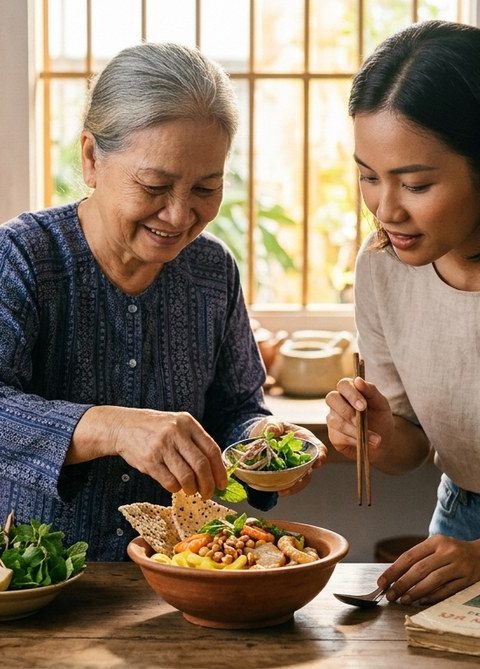
Ask the elders in your family. Record them cooking the dish or simply talk about where they first ate it. Ask about substitutions they made and why. Their memory of a specific market or a relative’s kitchen holds clues to your heritage.
-
Cook the dish from scratch using traditional methods. Avoid shortcuts on your first attempt. Grind your own spices, soak your own beans, or roll your own dough. The physical process teaches you about the labor and love that defined earlier generations.
-
Research the dish’s origin story. Look up the history of key ingredients. Find out when and where the combination first appeared. You might discover that the dish was born from necessity, celebration, or trade. Every detail adds depth to your understanding.
Common Comfort Foods and Their Cultural Origins
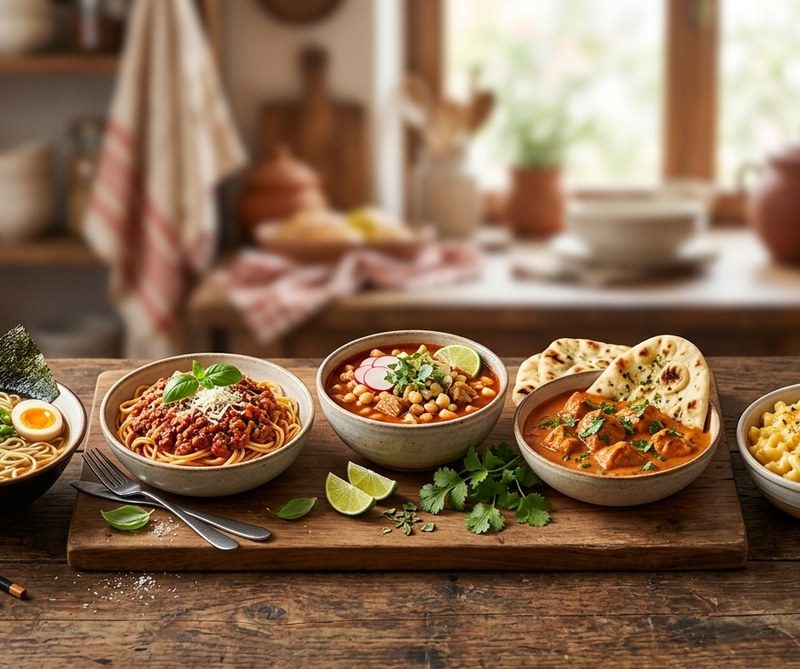
Here are a few widely loved comfort dishes and the cultural backgrounds they often represent.
- Macaroni and cheese: American soul food, with roots in English and French cuisine, adopted by enslaved cooks who elevated it.
- Pho: Vietnamese street food that reflects French colonial influence and local rice farming traditions.
- Pierogi: Polish and Ukrainian dumplings linked to winter feasts and Catholic fasting periods.
- Gumbo: Louisiana Creole stew combining West African, French, Spanish, and Choctaw traditions.
- Dal chawal: Lentils and rice, a staple across South Asia, symbolizing simplicity and nourishment.
- Tacos de canasta: Mexican basket tacos, tied to street vendors and the working class in Mexico City.
- Matzo ball soup: Ashkenazi Jewish dish, synonymous with healing and Sabbath dinners.
A Quick Look at Regional Comforts
This table compares comfort foods from different regions based on key characteristics.
| Region | Typical Comfort Dish | Main Ingredient | Emotional Association |
|---|---|---|---|
| South Asia | Khichdi | Rice and lentils | Healing, simplicity, home cooking |
| East Asia | Congee | Rice | Sick day remedy, maternal care |
| Latin America | Arepas | Cornmeal | Breakfast or late night, family togetherness |
| Central Europe | Schnitzel with potato salad | Pork or veal | Sunday lunch, celebration |
| West Africa | Jollof rice | Rice, tomatoes, pepper | Party food, community pride |
| American South | Biscuits and gravy | Flour, butter, milk | Breakfast comfort, rural tradition |
Each dish has a deep backstory. The arepa, for example, predates the arrival of Europeans in the Americas. The biscuit in the American South was a skill honed by enslaved cooks who adapted English scones using local ingredients. Comfort food is never just food.
What Culinary Historians Say About the Bond
“Food is the oldest language of memory. When someone tells me their favorite comfort food is a bowl of rice pudding, I don’t just taste sugar and cinnamon. I taste the hand that stirred the pot, the country that grew the rice, and the story of why that particular dish became the anchor for a family. That is the power of cultural roots through food.”
Dr. Renata Flores, food anthropologist and author of “Eating Home: The Global Soul of Comfort Food”
This connection is not nostalgia alone. It is identity. Your choice of comfort food tells you what your subconscious values: warmth, spice, sweetness, or saltiness. It reveals whether your culture prized scarcity or abundance, agriculture or trade. The dish you crave most is a biography in bite-sized form.
Tracing Your Own Culinary History
Now that you understand how comfort food cultural roots work, you can look at your own plate with fresh eyes. The next time you cook that favorite meal, pause before the first bite. Think about the hands that taught you, the market where the ingredients were bought, and the long road that brought those flavors to your kitchen. You are not just eating. You are continuing a tradition that may stretch back hundreds of years. That is a powerful thing.
Write down the story of your comfort food. Share it with someone from a different background. Ask them about theirs. You will find that these conversations build bridges. They remind us that, no matter how different our lives look, we all return to the same table for warmth, connection, and a taste of home.