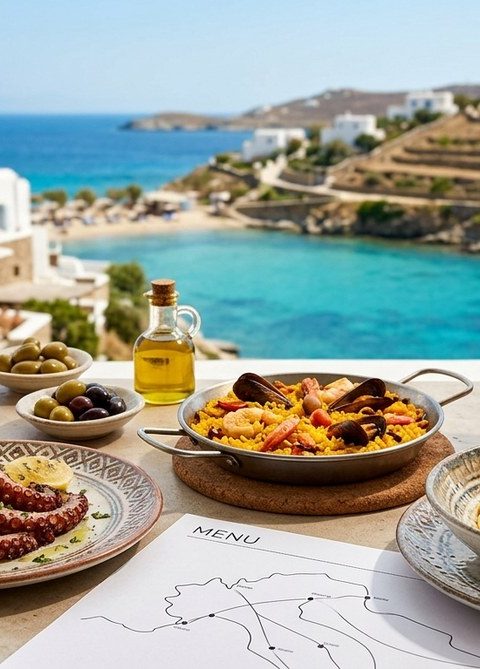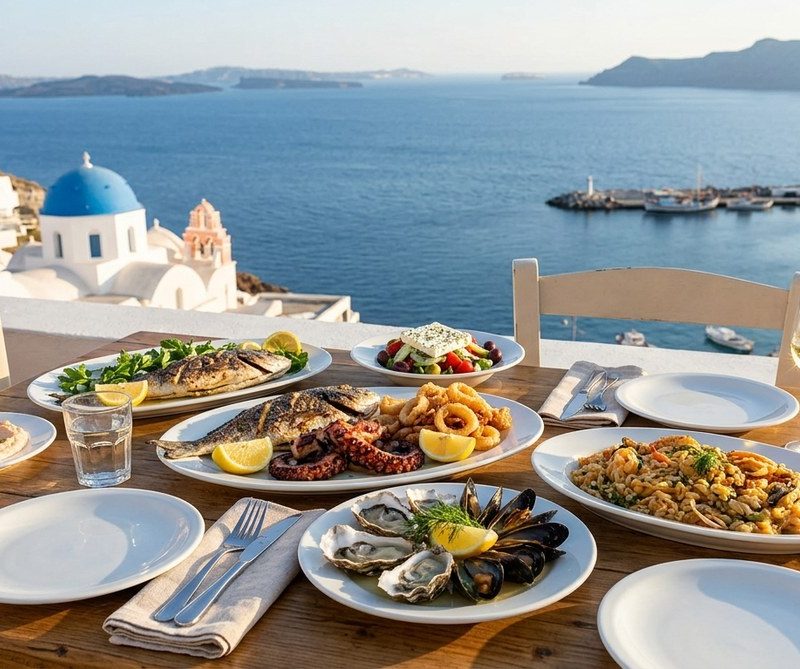
Picture yourself at a small taverna right on the water. The sun is melting into the Aegean Sea. A plate of grilled octopus arrives, glistening with olive oil, lemon, and oregano. You take a bite. The sea salt hits first, then the char, then the bright finish of citrus. This is what a seafood lover’s weekend in coastal Greece is all about. Whether you are planning your first trip or returning for another taste, understanding the local seafood culture is the key to an unforgettable experience. Let this Greek seafood guide be your compass.
Greek seafood is about simplicity and freshness. The best fish is grilled with olive oil, lemon, and wild herbs. Order by the kilo, not by the plate. Know the Greek names: barbounia (red mullet), lavraki (sea bass), and fagri (sea bream). Go where locals go. Ask what is caught today. Pair your meal with a cold ouzo or a crisp Assyrtiko wine. Your weekend will be unforgettable if you follow these simple rules.
Why Greek Seafood is a World of Its Own
Greece has over 13,500 kilometers of coastline. That means every region has its own fish, its own cooking habits, and its own beloved tavernas. The sea here is not just a source of food. It is part of the national identity.
The philosophy is simple: let the ingredient speak. A fish caught this morning needs nothing more than a hot grill, good olive oil, and a squeeze of lemon. No heavy sauces. No complicated marinades. That is the Greek way.
But with so many islands and coastal towns, it can feel overwhelming. You might wonder where to go, what to order, and how to avoid tourist traps. This guide answers all those questions. Think of it as your cheat sheet for eating like a local.
The Essential Greek Seafood Dishes You Need to Try
Before you sit down at a taverna, you should know the stars of the menu. Here are the dishes that will define your weekend:
- Grilled Octopus (Htapodi) – Tender, smoky, served with a drizzle of olive oil and vinegar. Often the first dish to arrive.
- Barbounia (Red Mullet) – Small, sweet, and delicate. Usually fried or lightly grilled. Eat it whole.
- Lavraki (Sea Bass) – A favorite for grilling. Flaky white flesh with a clean taste.
- Fagri (Sea Bream) – Similar to sea bass but a bit firmer. Locals often order it baked with tomatoes and herbs.
- Kalamarakia (Fried Squid) – Lightly battered and fried. Served with lemon and a sprinkle of oregano.
- Garides (Shrimp) – Usually grilled with garlic and olive oil, or in a tomato sauce.
- Myda (Mussels) – Steamed with white wine, garlic, and herbs. Especially good on the northern Aegean islands.
- Astakomakaronada (Lobster Pasta) – A splurge. Lobster with spaghetti in a light tomato sauce. Worth every cent.
- Psarosoupa (Fish Soup) – Hearty, rustic, made with whatever the fisherman brought in that day.
- Marida (Whitebait) – Tiny fish, flash fried, eaten whole. Perfect with a cold beer or ouzo.
These dishes are not hard to find. But knowing their Greek names will help you order with confidence.
How to Order Like a Local: A Step-by-Step Guide
Walking into a Greek taverna can feel different from a restaurant back home. Use these steps to get the best meal:
-
Arrive early for the catch. Dinner starts around 8 or 9 p.m., but the freshest fish arrives in the morning. For dinner, ask what was caught today. If you see a cool display of fish on ice, that is your sign.
-
Look at the fish, not the menu. In many seaside tavernas, there is no printed menu for fish. You walk to the counter and choose. The fish is priced by the kilo. A whole fish for two people typically weighs 800 grams to 1.2 kilos. Ask the owner what is best that day.
-
Order a meze or two first. Start with a small plate like grilled octopus, fried squid, or a Greek salad. This lets you enjoy the sea view while the main fish is prepared.
-
Ask for the fish grilled (sta karvouna). That is the gold standard. If you see “psari plaki” on the menu, that means baked with vegetables. Also delicious, but grilling is the classic choice.
-
Pick a simple wine or ouzo. The locals know that a cold ouzo or a dry white wine from Santorini (Assyrtiko) pairs beautifully with grilled fish. Skip the cocktails. Keep it Greek.
-
Do not rush. Greek dinners are long. Enjoy the sunset, the conversation, and the pace. The bill will come when you ask for it.
Understanding the Greek Seafood Menu
Many tourists get stuck when they see Greek names on a menu. This table breaks down the most common fish and how they are usually prepared.
| Greek Name | English Name | Typical Preparation |
|---|---|---|
| Barbounia | Red mullet | Fried whole, grilled |
| Lavraki | Sea bass | Grilled, salt crust |
| Fagri | Sea bream | Grilled, baked with herbs |
| Tsipoura | Gilt-head bream | Grilled, oven-roasted |
| Synagrida | Dentex | Grilled, baked |
| Marida | Whitebait | Fried, eaten whole |
| Kalamari | Squid | Fried, grilled |
| Htapodi | Octopus | Grilled, stewed in wine |
| Garides | Shrimp | Grilled, sautéed |
| Astakos | Lobster | Boiled, in pasta |
| Mydia | Mussels | Steamed in wine, grilled |
| Ktenia | Scallops | Grilled, baked |
Do not be afraid to ask the server for a recommendation. They know which fish came in that morning and how it tastes best.
Where to Find the Freshest Catch
Not all coastal towns are equal when it comes to seafood. Some are famous for their fishing fleets and traditional tavernas. If you are building a weekend itinerary, consider these regions:
The Peloponnese Coast
The southern Peloponnese has small fishing villages like Kardamyli, Koroni, and Monemvasia. The waters here are clean and deep. Expect octopus drying in the sun and fishermen mending nets on the dock. Many tavernas buy directly from the boats.
The Cycladic Islands
Paros, Naxos, and Sifnos are excellent choices. The sea around the Cyclades produces superb barbounia and fagri. In Sifnos, the chickpea soup is famous too, but the grilled fish holds its own. You can find tavernas right on the sand.
The Ionian Islands
Corfu and Kefalonia are known for their seafood pastas and baked fish dishes. The Italian influence lingers, so expect more tomato-based sauces and herbs.
Athens Riviera
If you are short on time, drive south from Athens toward Sounio. Towns like Vouliagmeni and Anavyssos have excellent seaside tavernas. The catch comes from the Saronic Gulf and is often delivered within hours.
Crete
Crete is an island of bold flavors. Try fried small fish (marida) and grilled cuttlefish. Many tavernas in Chania and Heraklion have sea views that will make you forget time.
For a deeper look at planning your entire trip, you can read our top culinary itineraries for discovering authentic Mediterranean flavors.
A Few Insider Tips from a Greek Fisherman
I once sat with Yorgos, a fisherman from the island of Paros. He has been pulling nets from the Aegean for over forty years. Over a small glass of ouzo, he shared his secrets.
“Do not trust a taverna that has a big menu. The best fish places have no menu. You look at what is on ice, and you say, ‘Grill this one.’ If they ask if you want it with potatoes or vegetables, say yes. But never, ever order fish that was fried yesterday. If it is not fresh, do not eat it. And the eyes should be clear, not cloudy. That is how you know the fish slept in the sea, not in a freezer.”
Yorgos advice is simple: keep it local, keep it fresh, keep it grilled.
Pairing Seafood with Greek Wines and Ouzo
A good meal deserves a good drink. For grilled fish, choose a white wine from Santorini. Assyrtiko is crisp and mineral. It cuts through the olive oil and complements the char. For richer fish like lobster, try a Malagousia or a Robola from Kefalonia.
If you prefer something stronger, order a bottle of ouzo. Pour a small amount, add ice, and sip it slowly. The anise flavor does not overpower the fish. It cleanses your palate between bites.
Do not overlook the local tsipouro either. It is a grape brandy similar to grappa. Some tavernas serve it with a side of seafood meze. It is a tradition in northern Greece.
Your Weekend Itinerary at a Glance
A weekend is short, so make every meal count. Here is a sample two-day plan:
Day 1
– Arrive in a coastal town (say, Nafplio on the Peloponnese).
– Lunch at a taverna by the water. Order a Greek salad, fried whitebait, and a cold beer.
– Walk around the old town. Visit the local fish market before it closes at sunset.
– Dinner: grilled sea bream (fagri) with a side of horta (wild greens) and a carafe of white wine.
Day 2
– Morning swim, then a late lunch at a beachside taverna.
– Order grilled octopus as a starter, fried squid as a main, and a tomato salad.
– Afternoon nap or walk along the coast.
– Dinner: a splurge at a well-known spot. Try the lobster pasta or a whole grilled sea bass. Finish with a piece of baklava and a glass of ouzo.
This is the kind of weekend that stays with you. No rush, no stress, just great food and sea air.
Savor Every Bite Along the Coast
The best part of a Greek seafood weekend is not just the fish. It is the whole experience: the chatter of Greek families, the waves slapping against the rocks, the scent of oregano in the air. You learn that good food takes time. You learn that the simplest meal can be the most memorable.
So go ahead. Book that trip. Walk into a taverna, point at the fish, and trust the grill. Your taste buds will thank you. And when you get back home, you will already be planning your next visit.
If you want to bring some of that Greek cooking into your own kitchen, check out our guide to mastering the art of carving essential techniques or learn how to read a restaurant menu like a chef. But for now, just enjoy the journey.
Kali orexi. That means good appetite in Greek.