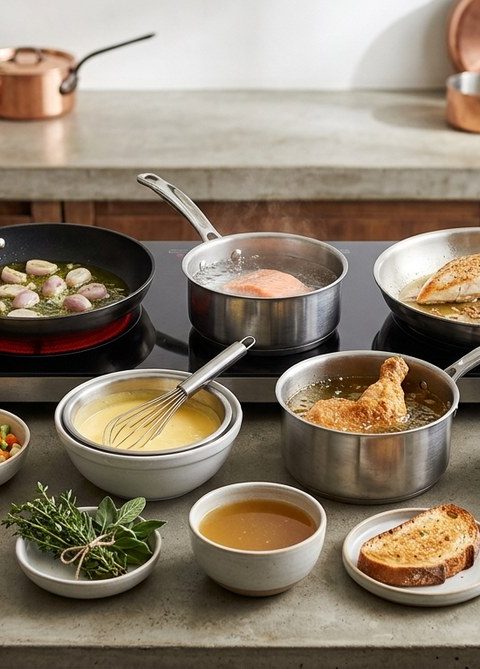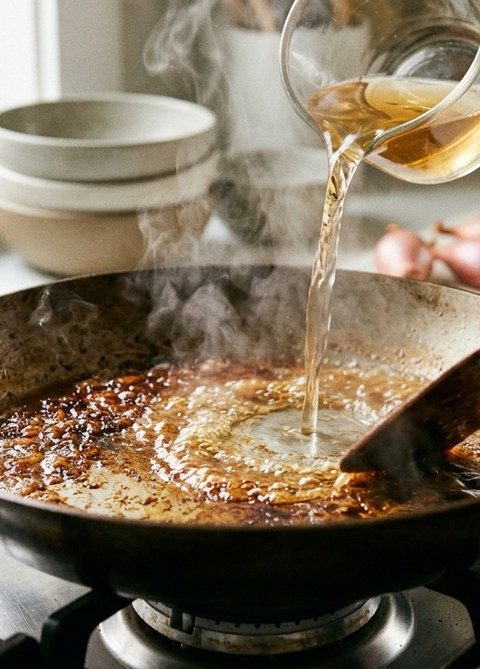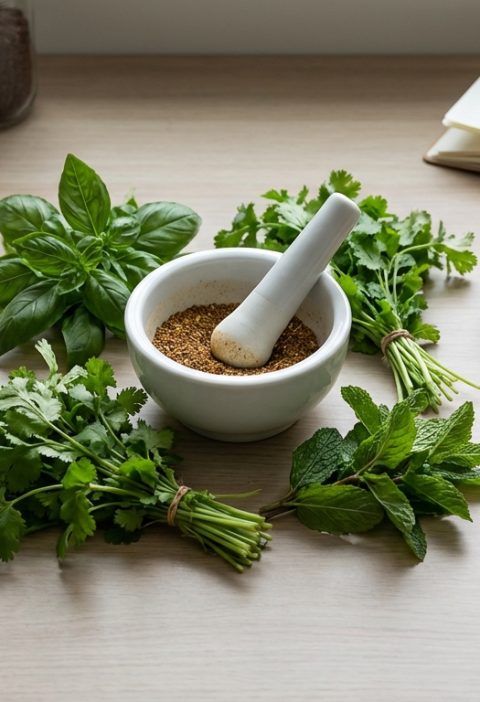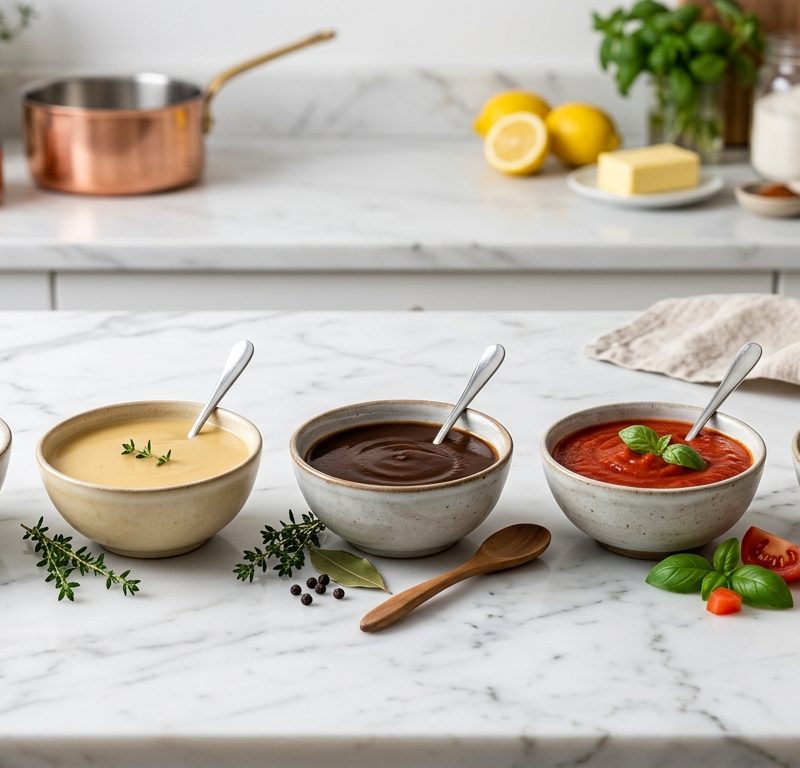
French cooking might seem intimidating, but it all starts with five simple sauces. These mother sauces form the backbone of countless recipes, from creamy pasta dishes to elegant steak toppings. Once you understand these foundations, you can create hundreds of variations and transform basic ingredients into restaurant-quality meals.
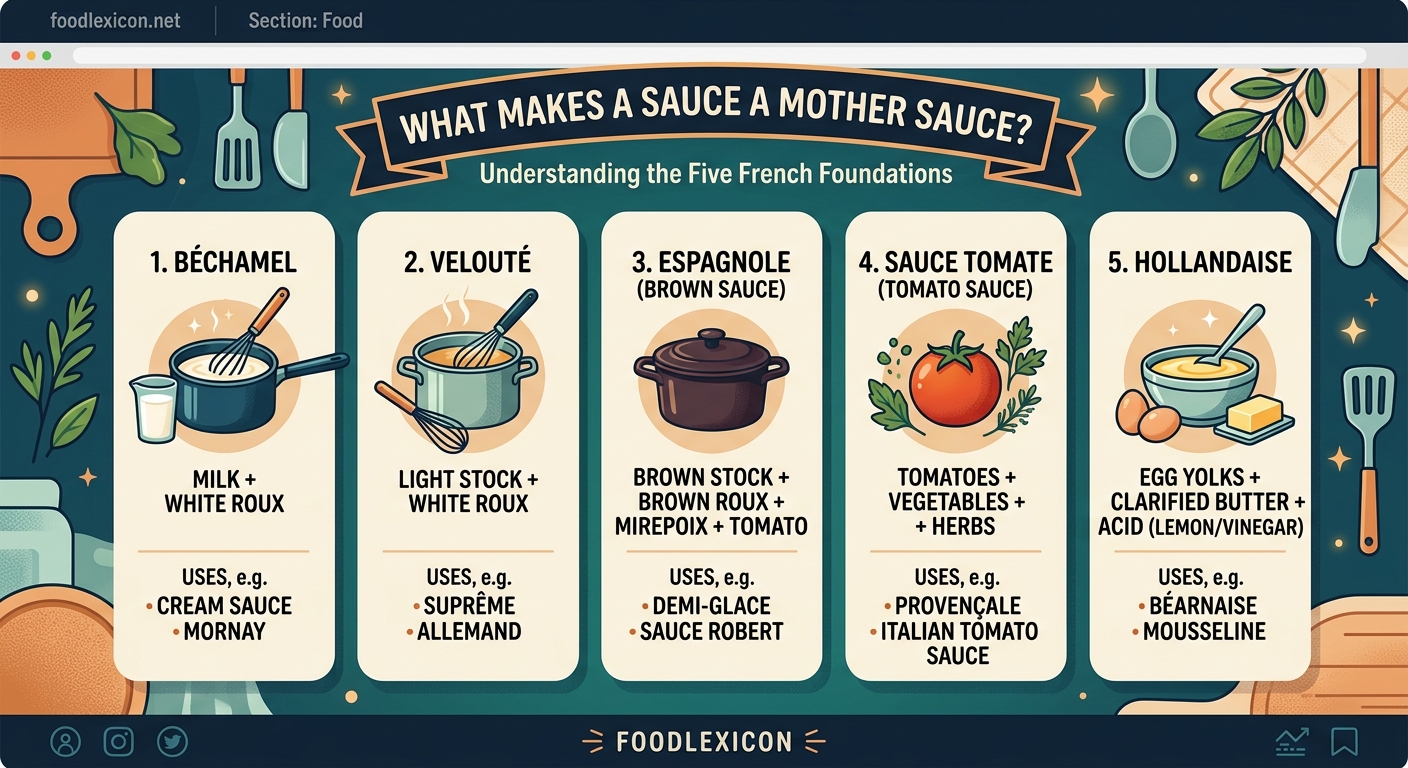
The five mother sauces are béchamel, velouté, espagnole, tomato, and hollandaise. French chef [Auguste Escoffier](https://en.wikipedia.org/wiki/Auguste_Escoffier) codified these sauces in the early 1900s as the foundation of classical cuisine. Each uses different base ingredients and techniques, but all serve as starting points for countless derivative sauces. Mastering these five opens up hundreds of recipe possibilities in your kitchen.
Understanding the Mother Sauce Concept
The term “mother sauce” refers to a basic sauce that serves as the foundation for many other sauces, called daughter sauces or small sauces. Think of them as culinary building blocks.
Chef Auguste Escoffier refined this system in his 1903 cookbook “Le Guide Culinaire.” He reduced the original list from dozens of sauces down to five essential bases. This simplified approach made French cooking more accessible to professional chefs and home cooks alike.
Each mother sauce relies on a specific technique and set of base ingredients. By changing the seasonings, adding different ingredients, or adjusting the ratios, you can create entirely new sauces from the same foundation.
The Five Mother Sauces Explained
Béchamel
Béchamel is a white sauce made from milk thickened with a white roux. The roux is simply equal parts butter and flour cooked together until the raw flour taste disappears.
This sauce appears in lasagna, mac and cheese, and croque monsieur sandwiches. The base recipe is straightforward:
- Melt butter in a saucepan
- Add flour and cook for 2-3 minutes while stirring
- Gradually whisk in warm milk
- Season with salt, pepper, and nutmeg
Common daughter sauces include:
– Mornay (béchamel with cheese)
– Soubise (béchamel with onions)
– Mustard sauce (béchamel with Dijon mustard)
The key is preventing lumps. Add your milk slowly and whisk constantly. If lumps form anyway, strain the sauce through a fine mesh sieve.
Velouté
Velouté means “velvety” in French, and the name fits. This sauce uses white stock (chicken, fish, or veal) instead of milk, thickened with a blond roux.
The roux for velouté cooks slightly longer than for béchamel, developing a light golden color. This adds a subtle nutty flavor without browning the sauce.
Different stocks create different applications:
– Chicken velouté pairs with poultry dishes
– Fish velouté works for seafood
– Veal velouté complements lighter meat dishes
Popular daughter sauces include:
– Allemande (velouté with egg yolks and lemon)
– Suprême (chicken velouté with cream)
– Bercy (fish velouté with white wine and shallots)
The quality of your stock directly impacts your velouté. Homemade stock creates a richer, more flavorful sauce than store-bought versions.
Espagnole
Espagnole, or brown sauce, is the most complex and time-consuming mother sauce. It combines brown stock (typically veal or beef) with a brown roux and mirepoix (diced onions, carrots, and celery).
The roux cooks until it reaches a deep brown color, which takes patience and constant stirring. This browning creates rich, complex flavors that define the sauce.
Traditional recipes also call for tomato paste and a sachet of herbs (parsley, thyme, bay leaf, and peppercorns tied in cheesecloth).
The sauce simmers for several hours, reducing and concentrating the flavors. Many professional kitchens prepare large batches because of the time investment.
Demi-glace, perhaps the most famous daughter sauce, combines espagnole with more brown stock and reduces it by half. This creates an intensely flavored sauce that coats the back of a spoon.
Other variations include:
– Bordelaise (with red wine and shallots)
– Chasseur (with mushrooms and white wine)
– Robert (with mustard and onions)
Tomato Sauce
The tomato-based mother sauce differs from Italian marinara or American pizza sauce. The French version starts with a roux and includes pork, aromatic vegetables, and stock along with tomatoes.
Traditional preparation involves:
- Create a blond roux
- Add crushed tomatoes or tomato purée
- Include salt pork or bacon for depth
- Add mirepoix and stock
- Simmer with herbs until thick and rich
This method creates a more refined sauce than simply simmering tomatoes with garlic and herbs. The roux provides body, while the pork adds savory depth.
Modern versions often skip the roux for a lighter texture, but the classical approach remains valuable for certain applications.
Common derivatives include:
– Creole sauce (with peppers and onions)
– Spanish sauce (with peppers, mushrooms, and onions)
– Portuguese sauce (with tomato, garlic, and onions)
Hollandaise
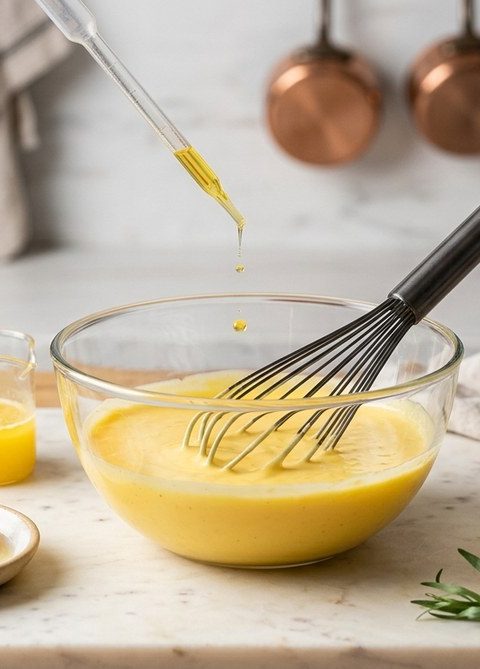
Hollandaise stands apart from the other mother sauces because it relies on an emulsion rather than a roux. This warm sauce combines egg yolks, butter, and lemon juice.
The technique requires careful temperature control. Too much heat scrambles the eggs, while too little prevents the emulsion from forming properly.
Basic steps include:
- Whisk egg yolks with water over gentle heat
- Slowly drizzle in melted butter while whisking constantly
- Add lemon juice and season with salt and cayenne
Hollandaise is famously temperamental. The sauce can break (separate) if the temperature fluctuates or if you add the butter too fast.
This sauce appears most often at brunch, topping eggs Benedict and asparagus. It must be served shortly after preparation because it doesn’t hold well.
Daughter sauces include:
– Béarnaise (with tarragon and shallots)
– Choron (béarnaise with tomato paste)
– Maltaise (with blood orange juice)
Techniques That Make or Break Your Sauces
| Technique | Purpose | Common Mistakes |
|---|---|---|
| Roux | Thickens and adds body | Cooking too fast, burning, adding cold liquid |
| Emulsion | Combines fat and water | Wrong temperature, adding fat too fast |
| Reduction | Concentrates flavor | High heat that creates bitter taste |
| Straining | Creates smooth texture | Skipping this step, using wrong mesh size |
| Tempering | Prevents curdling | Adding hot liquid to eggs without whisking |
Temperature control matters more than most beginners realize. A roux needs medium heat to cook the flour without burning. Hollandaise requires gentle warmth to form the emulsion. Reductions need steady simmering rather than rapid boiling.
Whisking technique also plays a role. Constant movement prevents lumps in roux-based sauces and maintains emulsions in hollandaise. Your arm might get tired, but the result is worth the effort.
Building Your Sauce-Making Skills
Start with béchamel. It’s the most forgiving and requires the fewest ingredients. Once you can make a smooth, lump-free béchamel, the other roux-based sauces become easier.
Practice your roux at different stages:
– White roux (1-2 minutes, for béchamel)
– Blond roux (3-5 minutes, for velouté)
– Brown roux (15-20 minutes, for espagnole)
Each stage requires different cooking times and produces different flavors. Understanding these differences helps you choose the right base for your dish.
Hollandaise comes last. The technique differs completely from roux-based sauces, and the margin for error is smaller. But don’t let that intimidate you. Many cooking schools teach hollandaise early because it builds confidence and whisking skills.
Practical Applications in Modern Cooking
You don’t need to work in a French restaurant to use these sauces. They appear in everyday cooking more than you might think.
Béchamel forms the base of macaroni and cheese, creamed spinach, and lasagna. Velouté creates the sauce for chicken pot pie and creamy soups. Tomato sauce obviously works for pasta, but the refined French version elevates braised dishes too.
Espagnole might seem outdated, but demi-glace remains a staple in steakhouses and upscale restaurants. A small amount transforms a simple pan sauce into something special.
Hollandaise extends beyond brunch. Try it over grilled fish, roasted vegetables, or poached chicken for an elegant dinner.
Many modern chefs adapt these classical foundations. They might use cornstarch instead of roux for a gluten-free version, or substitute plant-based butter and milk for vegan options. The principles remain the same even when the ingredients change.
Troubleshooting Common Problems
Lumpy sauce happens to everyone. Prevention works better than fixing, but you can strain the sauce if needed. For future batches, warm your liquid before adding it to the roux and whisk constantly.
Broken hollandaise can sometimes be saved. Start with a fresh egg yolk in a clean bowl, then slowly whisk in the broken sauce. The new yolk provides fresh emulsifiers to bring everything back together.
Thin sauce needs more cooking time or additional thickener. Simmer longer to reduce and concentrate, or make a small amount of roux to whisk in. Add any additional thickener gradually to avoid overcorrecting.
Burnt roux cannot be saved. The bitter flavor will permeate your entire sauce. Start over with fresh ingredients and use lower heat.
Skin forming on top of your sauce means you need to cover it or press plastic wrap directly onto the surface. This prevents air exposure that causes the skin.
Why These Foundations Still Matter
Classical French technique might seem old-fashioned in an era of molecular gastronomy and fusion cuisine. But these five sauces teach fundamental cooking skills that apply far beyond French food.
Understanding emulsions helps you make salad dressings, mayonnaise, and pan sauces. Knowing how roux works improves your gravy, soup, and stew-making abilities. Temperature control and timing translate to countless other cooking tasks.
Professional culinary programs still teach these sauces in early coursework. They provide a shared language and common foundation for kitchen work. When a chef calls for “suprême,” everyone knows exactly which sauce to prepare.
Home cooks benefit from this knowledge too. You can read classical recipes with confidence, adapt techniques to your own cooking, and understand why certain dishes work the way they do. A week-long culinary journey through Tuscany might introduce you to regional Italian sauces, but the French foundations help you understand the techniques behind them.
From Foundation to Creativity
Once you master the basic formulas, experimentation becomes easier. You understand which components provide structure and which add flavor. This knowledge lets you adjust recipes with confidence.
Try adding different herbs to your béchamel. Swap chicken stock for seafood stock in your velouté. Use different wines in your espagnole derivatives. Add flavored vinegars to your hollandaise.
The possibilities multiply quickly. Each mother sauce has dozens of documented daughter sauces, and you can create your own variations too.
Some chefs argue for a sixth mother sauce. Mayonnaise gets mentioned frequently because it relies on emulsion like hollandaise but uses raw eggs and oil instead. Others suggest vinaigrette deserves mother sauce status. The debate continues, but the classical five remain the standard.
Your Sauce-Making Journey Starts Here
Learning these five sauces takes time and practice. You’ll make mistakes, burn a roux, break an emulsion, or create lumps. That’s part of the process.
Start with one sauce and make it several times until you feel comfortable. Then move to the next. Take notes about what works and what doesn’t. Adjust heat levels, timing, and whisking techniques based on your stove and equipment.
The skills you develop transfer to countless other recipes. You’ll find yourself making better gravy at Thanksgiving, creamier soups in winter, and more elegant dinner party dishes year-round. These foundations support a lifetime of cooking growth and creativity in your kitchen.