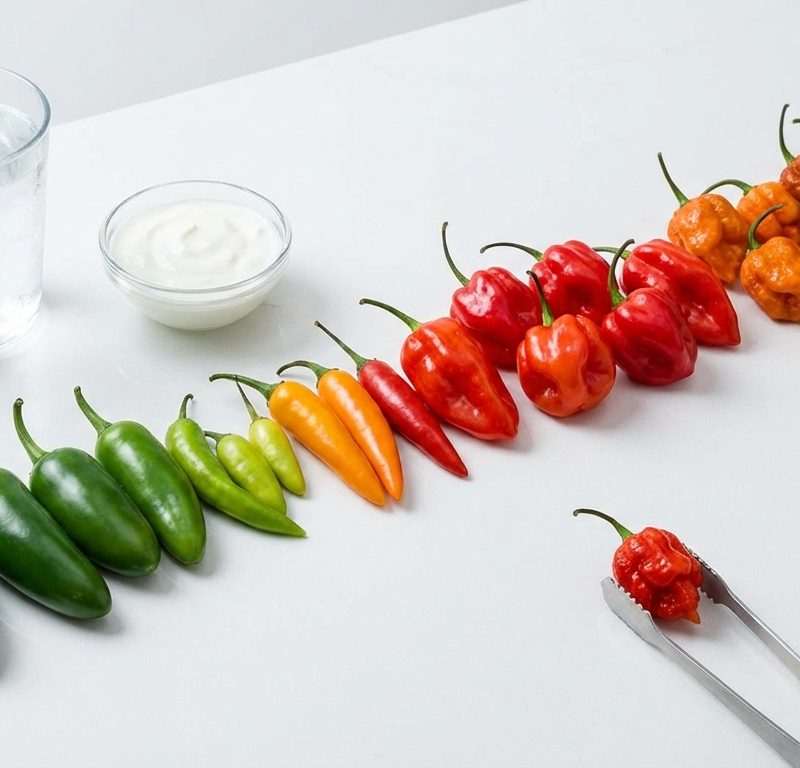
The Carolina Reaper sits innocently on a plate, its wrinkled red skin hiding 2.2 million Scoville Heat Units of pure fire. One bite can send even seasoned chili heads into a sweating, crying panic. But what actually happens when you eat the world’s hottest pepper? And more importantly, how do you know if you’re ready for the challenge?
The world’s hottest peppers contain capsaicin levels that can cause intense physical reactions including extreme sweating, nausea, and temporary breathing difficulty. Successfully handling these peppers requires gradual heat tolerance building, proper preparation techniques, and understanding your body’s warning signs. Start with milder varieties and work your way up over months, not days.
Understanding What Makes These Peppers So Dangerous
Capsaicin is the chemical compound responsible for the burning sensation in hot peppers. Your body interprets it as actual heat, triggering the same pain receptors that respond to fire.
The Scoville Scale measures capsaicin concentration. A jalapeño registers around 5,000 Scoville Heat Units. A habanero hits 350,000. The Carolina Reaper? Over 2 million.
That’s not just hotter. It’s a completely different category of pain.
Your body responds to extreme capsaicin exposure with a cascade of reactions. Blood vessels dilate. Sweat glands activate. Your stomach may reject the contents violently. Some people experience what feels like a heart attack, though it’s actually capsaicin cramps affecting the esophagus.
The hottest peppers can cause temporary blindness if you touch your eyes. They can burn skin on contact. One man ended up in the emergency room with thunderclap headaches after eating a Carolina Reaper at a contest.
These aren’t exaggerations. They’re documented medical cases.
The Current Hottest Pepper Champions
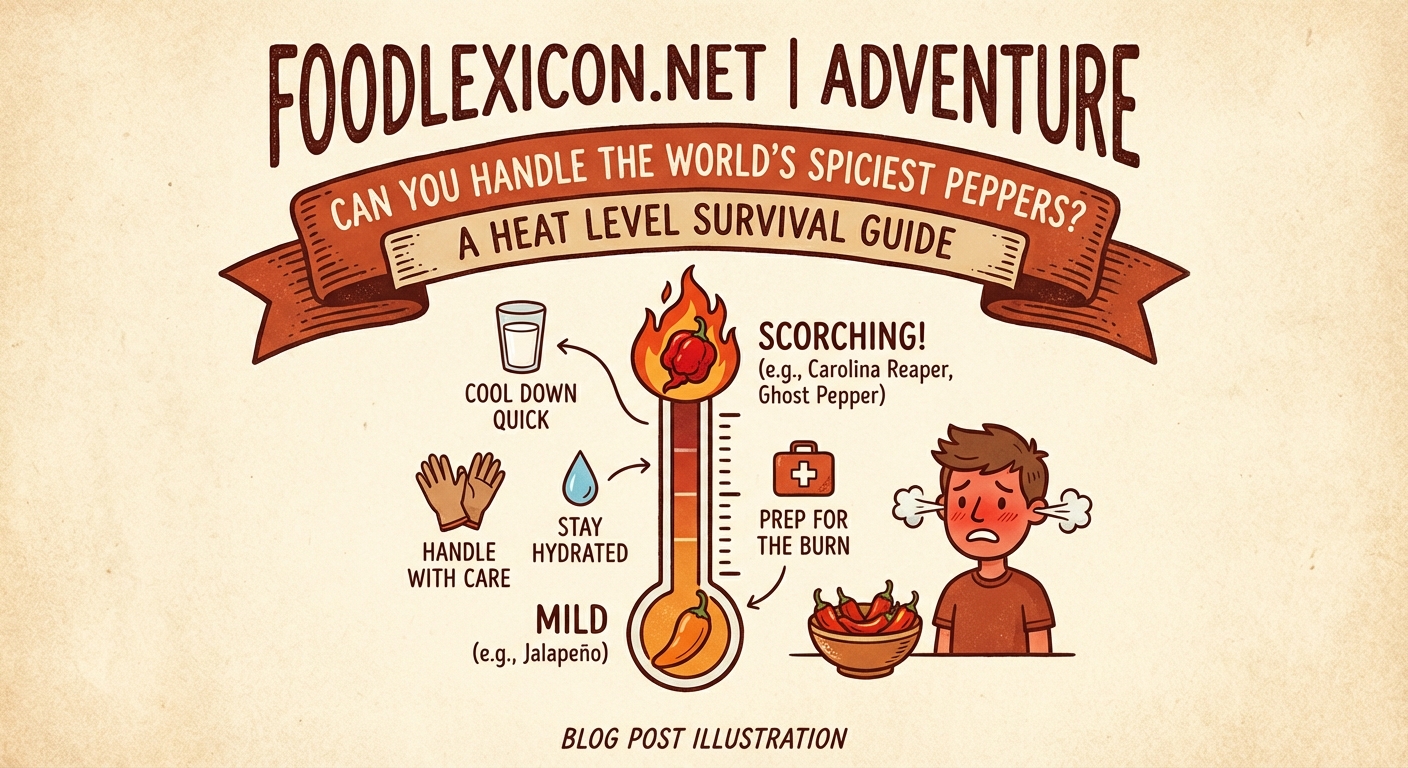
The title of world’s hottest pepper changes as growers compete to create more extreme varieties. Here’s the current lineup of champions:
| Pepper Name | Scoville Heat Units | Origin | Notable Features |
|---|---|---|---|
| Pepper X | 3.18 million | South Carolina, USA | Created by Ed Currie, not widely available |
| Carolina Reaper | 2.2 million | South Carolina, USA | Official Guinness record holder until 2023 |
| Trinidad Moruga Scorpion | 2 million | Trinidad and Tobago | Causes intense sweating before taste registers |
| 7 Pot Douglah | 1.85 million | Trinidad | Chocolate brown color, fruity then devastating |
| Trinidad Scorpion Butch T | 1.46 million | Australia/Trinidad | Named for grower Butch Taylor |
These numbers represent averages. Individual peppers can vary by 500,000 Scoville units or more depending on growing conditions.
Ed Currie, the grower behind both Pepper X and the Carolina Reaper, has hinted at even hotter varieties in development. The arms race continues.
Testing Your Current Heat Tolerance
Before attempting anything extreme, you need an honest assessment of where you stand. Most people overestimate their tolerance dramatically.
Start with this progression over several weeks:
- Jalapeño peppers (2,500 to 8,000 SHU)
- Serrano peppers (10,000 to 23,000 SHU)
- Cayenne peppers (30,000 to 50,000 SHU)
- Thai chili peppers (50,000 to 100,000 SHU)
- Habanero peppers (100,000 to 350,000 SHU)
- Scotch bonnet peppers (100,000 to 350,000 SHU)
- Ghost pepper (1 million SHU)
If you struggle at any stage, stop there. That’s your current ceiling.
Pay attention to these warning signs during testing:
- Stomach cramping that lasts more than 30 minutes
- Difficulty breathing or chest tightness
- Severe nausea or vomiting
- Dizziness or lightheadedness
- Numbness in your mouth lasting over an hour
Any of these symptoms mean you’ve exceeded your limit. Back off and build tolerance more gradually.
Similar to 7 bizarre delicacies that will test your culinary courage, extreme pepper challenges push you outside normal eating experiences. But unlike fermented shark or live octopus, the consequences here are purely chemical warfare on your pain receptors.
Building Your Tolerance Safely
Your body can adapt to capsaicin over time. Regular exposure desensitizes pain receptors. But this process takes months, not days.
Eat spicy food three to four times per week. Gradually increase the heat level every two weeks. Your tolerance will climb steadily without shocking your system.
Some people never build significant tolerance. Genetics play a role. The TRPV1 gene variant affects how sensitive you are to capsaicin. If your parents can’t handle heat, you probably inherited that trait.
“Building capsaicin tolerance is like strength training. You don’t walk into a gym and deadlift 400 pounds. You start light, add weight gradually, and give your body time to adapt. Rush the process and you’ll hurt yourself.” – Dr. Paul Bosland, Chile Pepper Institute
Don’t fall for supposed shortcuts. Numbing agents mask pain but don’t build tolerance. Alcohol makes the burning worse by spreading capsaicin around your mouth. Ice provides temporary relief but stops the adaptation process.
The only real method is consistent, gradual exposure over time.
Preparation Steps Before Attempting Extreme Heat
If you’ve built tolerance to ghost peppers and want to attempt something hotter, proper preparation reduces risk.
Three days before:
- Eat probiotic-rich foods to strengthen your gut lining
- Avoid alcohol and acidic foods that irritate your stomach
- Stay well hydrated with at least 64 ounces of water daily
The day of:
- Eat a substantial meal two hours before with plenty of fats and proteins
- Have whole milk, ice cream, and bread ready for afterward
- Clear your schedule for at least four hours after eating
- Wear gloves when handling the pepper
- Have someone nearby in case you need help
Never attempt extreme peppers if you have:
- Gastroesophageal reflux disease (GERD)
- Irritable bowel syndrome (IBS)
- Stomach ulcers or gastritis
- Heart conditions
- Asthma or breathing problems
The temporary thrill isn’t worth triggering a medical emergency.
What Actually Happens When You Eat One
The experience unfolds in stages. Understanding the timeline helps you prepare mentally.
0 to 30 seconds: Initial contact. The heat builds slowly. You might think it’s not that bad. This is deceptive. The full effect takes time.
30 seconds to 2 minutes: The inferno arrives. Your mouth feels like it’s melting. Saliva production goes into overdrive. Your face turns red as blood vessels dilate. Sweating begins, often profusely.
2 to 10 minutes: Peak intensity. This is the hardest phase. Your body panics. You might hiccup uncontrollably. Some people experience temporary hearing changes. Your stomach may cramp.
10 to 30 minutes: The plateau. The burning remains intense but stops escalating. Your body floods with endorphins as a natural pain response. Some people describe euphoria during this phase.
30 minutes to 2 hours: Gradual decline. The mouth burning fades, but stomach discomfort often increases. You might experience nausea. The endorphin high wears off.
2 to 24 hours: Aftermath. Your digestive system processes the capsaicin. This can cause significant discomfort when using the bathroom. Preparation H and wet wipes become your friends.
The entire experience demands respect. People who treat it casually often regret that decision around the five-minute mark.
Emergency Relief Methods That Actually Work
When the heat becomes unbearable, certain remedies provide real relief. Others are myths that make things worse.
What helps:
- Whole milk (casein protein binds to capsaicin)
- Ice cream or yogurt (fat plus cold temperature)
- Bread or rice (absorbs capsaicin oils)
- Sugar or honey (provides temporary coating)
- Olive oil or peanut butter (fat dissolves capsaicin)
What doesn’t help:
- Water (spreads capsaicin around without neutralizing it)
- Beer (alcohol worsens the burning)
- Soda (carbonation and acid intensify pain)
- Breathing heavily (hyperventilating can cause panic)
For stomach pain, antacids containing calcium or magnesium provide relief. Avoid taking them before eating the pepper, as they can increase capsaicin absorption.
If you experience chest pain, severe difficulty breathing, or symptoms lasting more than four hours, seek medical attention. Rare cases require intervention.
Common Mistakes That Make Everything Worse
First-timers make predictable errors that amplify suffering. Learning from others’ mistakes is smarter than creating your own.
| Mistake | Why It’s Bad | Better Approach |
|---|---|---|
| Eating on empty stomach | Capsaicin directly irritates stomach lining | Eat substantial meal 2 hours prior |
| Touching face or eyes | Causes intense burning in sensitive areas | Wear gloves, wash hands thoroughly |
| Drinking alcohol before | Spreads capsaicin, increases absorption | Stay sober until fully recovered |
| Attempting alone | No help if medical issue occurs | Have someone present |
| Rushing the experience | Doesn’t allow body to process gradually | Take small bites, pace yourself |
| Ignoring warning signs | Can lead to serious complications | Stop immediately if symptoms worsen |
Pride causes more problems than anything else. The pepper doesn’t care about your ego. It will win.
People who succeed treat extreme peppers with the same caution they’d give any potentially dangerous activity. Those who fail usually underestimated what they were facing.
The Psychological Component Nobody Mentions
Physical tolerance is only half the challenge. Mental preparation matters just as much.
Your brain knows something painful is coming. That anticipation triggers stress responses before you even take a bite. Heart rate increases. Muscles tense. Some people experience genuine fear.
This isn’t weakness. It’s your survival instinct working correctly.
Controlled breathing helps manage the panic response. Practice box breathing: inhale for four counts, hold for four, exhale for four, hold for four. Repeat throughout the experience.
Distraction techniques reduce perceived pain intensity. Some people watch comedy videos during the worst phase. Others listen to music or play games. Anything that occupies your attention helps.
The mental challenge extends beyond the eating itself. Knowing what’s coming for your digestive system creates anticipatory anxiety. Acceptance helps. Yes, it will be unpleasant. That’s part of the deal.
Just like pushing through the ultimate guide to eating insects requires overcoming psychological barriers, extreme peppers demand mental toughness alongside physical tolerance.
Why People Actually Do This
The obvious question: why would anyone voluntarily suffer like this?
Endorphin release creates a natural high. Your body’s pain response floods you with feel-good chemicals. Some people become genuinely addicted to this sensation.
Competition drives many participants. Beating friends, setting records, or proving toughness motivates people to push limits. Social media amplification turns pepper challenges into public spectacles.
Curiosity plays a role too. Humans naturally want to test boundaries. What’s the most extreme sensation you can survive? For some people, that question demands an answer.
The community aspect matters. Spicy food enthusiasts form tight-knit groups. Shared suffering creates bonds. Completing a challenge earns respect within that community.
Some people genuinely enjoy the flavor. Beyond the heat, superhot peppers have complex taste profiles. Fruity, smoky, floral notes exist if you can taste past the fire. Culinary explorers seek those flavors.
Signs You’re Actually Ready
After months of building tolerance, how do you know you’re prepared for the ultimate test?
You should meet all these criteria:
- Comfortably eat ghost peppers without severe distress
- Experience minimal stomach issues from superhot peppers
- Recover from intense heat within 30 minutes
- Understand proper safety protocols
- Have realistic expectations about the experience
- Feel excited rather than terrified
If you’re doing this to impress others, you’re not ready. The motivation needs to come from personal challenge, not external validation.
If you have any doubt about your physical ability to handle it, wait. Build more tolerance. There’s no prize for rushing.
The pepper will still be there when you’re truly prepared.
When You Should Absolutely Skip This
Some people should never attempt the world’s hottest peppers, regardless of tolerance level.
Medical disqualifiers:
- Active stomach ulcers or gastritis
- Chronic digestive conditions
- Heart problems or high blood pressure
- Respiratory conditions like asthma
- Pregnancy or breastfeeding
- Currently taking blood thinners
Situational reasons to avoid:
- You’ve had stomach issues in the past week
- You’re taking medications that affect digestion
- You have important commitments within 24 hours
- You’re doing it purely on a dare
- You haven’t built proper tolerance gradually
The risk-reward calculation doesn’t favor everyone. Knowing your limits shows wisdom, not weakness.
Some people enjoy moderately spicy food without needing to prove anything with extreme varieties. That’s perfectly valid. The culinary world offers infinite exploration without requiring pain tolerance tests.
Your Heat Journey Starts With Honesty
Can you handle the world’s hottest pepper? Maybe. But probably not yet.
Most people need six months to a year of consistent tolerance building before safely attempting superhot varieties. Some never reach that level, and that’s fine. The goal isn’t suffering for its own sake.
Start where you are. Enjoy the peppers you can handle now. Build gradually if extreme heat interests you. Skip the whole thing if it doesn’t.
The peppers aren’t going anywhere. Take your time, respect the process, and listen to your body. That’s how you turn curiosity into capability without ending up in the emergency room with a story you’d rather not tell.