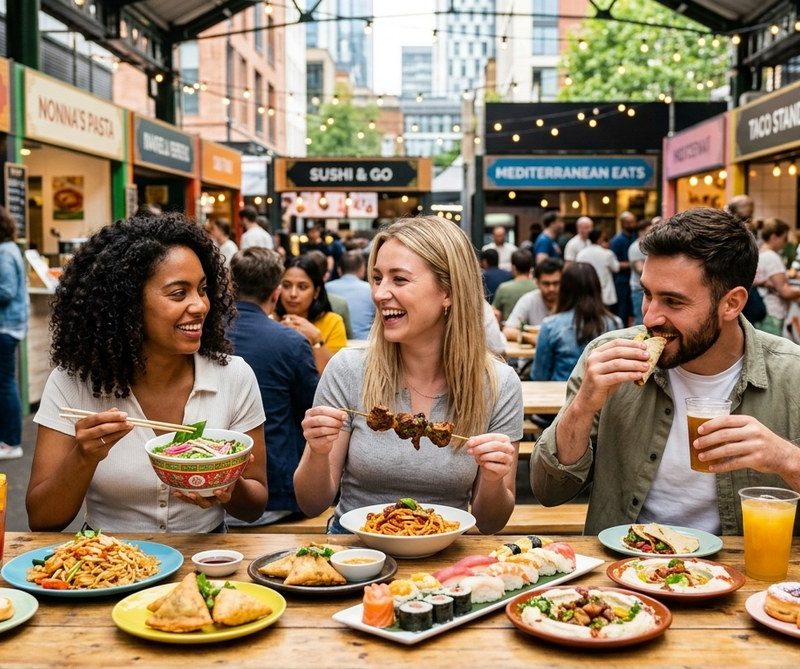
You have a full Saturday, an empty stomach, and a serious case of wanderlust. But your budget is tight, your passport is buried somewhere in a drawer, and you cannot hop on a plane to Bangkok or Oaxaca this weekend. That is where an urban food safari comes in.
A true culinary adventure does not require a boarding pass. It requires curiosity, a willingness to walk a few extra blocks, and a map of the neighborhoods in your own city that quietly serve up the flavors of the world. Think of an urban food safari as a self guided expedition where each stop is a new country, each dish a story, and each bite a ticket somewhere far away. You are not just eating. You are exploring.
An urban food safari lets you sample authentic global cuisines by exploring diverse neighborhoods in your own city. By planning a route, eating small portions, talking to owners, and staying open to the unfamiliar, you can experience the thrill of international travel without leaving home. This guide shows you exactly how to do it.
What Exactly Is an Urban Food Safari?
The term “urban food safari” might sound like a marketing gimmick, but it describes something real. It is a deliberate, themed eating journey through a city’s ethnic enclaves, markets, and hidden kitchens. Unlike a casual night out, a food safari has a purpose: to taste the breadth of a cuisine or region in a single day or weekend. You move from one spot to the next, sampling specialties, learning about ingredients, and connecting with the people who make the food.
It is a practice that food lovers, travel writers, and home cooks have adopted for years. Instead of going to one restaurant and ordering a full meal, you visit three or four places in the same neighborhood and order a single dish at each. The payoff is a crash course in culture, geography, and flavor. And you never have to sit through airport security.
How to Plan Your Urban Food Safari in 5 Steps
A successful urban food safari hinges on preparation. You do not want to wander aimlessly. Follow these steps to build a memorable and delicious route.
1. Pick a cuisine or region and research your city’s best pockets.
Start with a craving. Are you in the mood for the fiery curries of South India? The hand pulled noodles of Lanzhou? The complex moles of Oaxaca? Every major U.S. city has neighborhoods where immigrant communities have planted roots. Search for terms like “Little Saigon,” “Chinatown,” “Koreatown,” or “Ethiopian district” in your area. Then look up the restaurants, bakeries, and markets that locals recommend.
2. Map a loop that is walkable or connected by public transit.
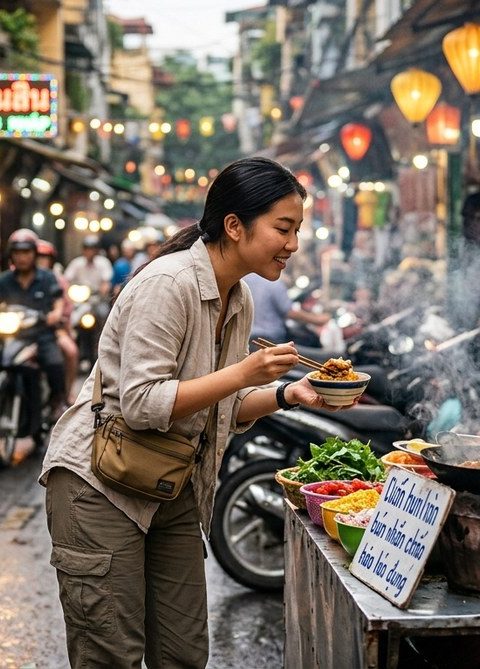
Group your stops within a half mile radius if possible. If the neighborhood is spread out, plan a route using a bus or subway line. You do not want to spend your day in Ubers. A walkable route also lets you spot spontaneous food finds like a tamale cart or a banh mi window.
3. Design a flexible itinerary that includes at least four stops.
Choose a mix of savory, sweet, and drink. For example, if you are doing a Vietnamese safari, you might start with a steaming bowl of pho, then a banh mi from a deli, then a Vietnamese coffee with condensed milk, and finish with a coconut based dessert. Build in a 20 minute buffer between stops so you can digest and chat.
4. Decide whether to go solo or with a small group.
A solo safari gives you total control. You can linger or move on as you please. A group of two or three sharing dishes works well because you can taste more. Avoid groups larger than four. Too many opinions slow down decisions and crowd small tables.
5. Keep a simple record of your finds.
Snap a photo of each dish and jot down the name of the restaurant and the dish. Later, you can write a short note about the flavor. Over time, this becomes a personal map of your city’s best eats. If you are feeling ambitious, turn it into a blog post or a social media thread.
Essential Tips to Make the Most of Your Food Safari
A few habits separate a great food adventure from a frustrating one. Keep these pointers in mind.
- Eat small portions. Order one dish per stop, or share with a friend. You want to stay hungry enough for the next place.
- Talk to the owners or cooks. Ask what their best seller is and why. They will often give you a taste of something not on the menu.
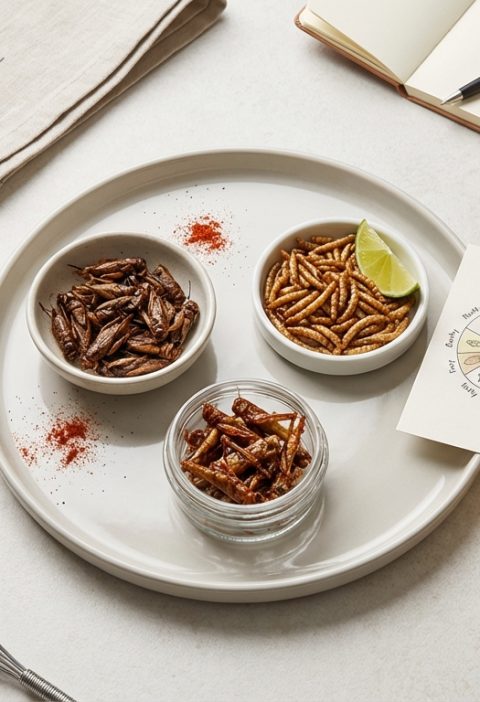
- Try at least one dish you have never heard of. Let curiosity guide your order.
- Stay hydrated. Carry a reusable water bottle. Spicy food and walking demand water.
- Pace yourself. Do not rush. A food safari is a leisurely activity, not a race.
Common Mistakes vs. Smart Moves on an Urban Food Safari
A table can help you see the difference between actions that kill the vibe and actions that keep the adventure alive.
| Common Mistake | Smart Move |
|---|---|
| Ordering a full entree at every stop | Order small plates or share items |
| Staying inside your comfort zone | Pick one unfamiliar dish per safari |
| Skipping markets and grocery stores | Include a market stop for snacks and ingredients |
| Ignoring the neighborhood history | Read a short Wikipedia entry about the area before you go |
| Going without cash | Bring a mix of cash and card; smaller stalls may be cash only |
| Eating everything alone | Invite one or two friends to share and compare notes |
Expert Advice on Finding Authentic Flavors
“The best urban food safari starts with a conversation. Walk into a grocery store in a new neighborhood and ask the person behind the counter what they eat for lunch. They will point you to a spot that no Yelp list has ever touched. Trust the people who actually live there. Then go with an open mind and an empty stomach.”
Maria Hernandez, food writer and author of “City Bites: A Guide to Eating Around the Block”
That advice is golden. When you rely only on review sites, you often miss the tiny storefronts that serve grandmother style food. A personal recommendation from a local resident is worth a hundred five star ratings.
Where to Look for Hidden Culinary Gems
Not every great food spot has a neon sign or a website. Many are tucked inside gas stations, strip malls, or basements. Here are a few strategies to find them.
- Follow local food bloggers and Instagram accounts that focus on ethnic cuisine in your city. They often discover new openings before mainstream media.
- Join neighborhood Facebook groups or Reddit communities. Ask something like, “What is the most authentic Ethiopian food in this area?” The responses will be specific and passionate.
- Walk the main commercial street of an ethnic neighborhood and then turn down the side streets. Some of the best banh mi in the country come from tiny shops that do not even have a sign in English.
- Visit ethnic grocery stores. They often have deli counters, hot food bars, or bulletin boards advertising pop ups and home cooks.
Sampling the World in a Single Day
To give you a concrete idea, here is a sample urban food safari route in a hypothetical American city with a diverse food scene. You can adapt this model to your own city.
Stop 1: Ethiopian
Injera with spicy lentil stew and collard greens. Eat with your hands. Soak every drop.
Stop 2: Mexican
A taco from a taqueria that uses handmade tortillas. Ask for salsa verde and a squeeze of lime.
Stop 3: Japanese
A bowl of ramen with chashu pork and a soft boiled egg. Slurp loudly. That is a compliment.
Stop 4: Indian
A flaky paratha stuffed with spiced potatoes, served with a side of tangy pickled mango.
Stop 5: Brazilian
A small pastel de feira, a fried pastry filled with cheese or ground beef. Crispy and warm.
Stop 6: Nigerian
Jollof rice with fried plantains and a piece of grilled fish. The rice is smoky and rich.
Stop 7: Dessert
A pistachio baklava from a Middle Eastern bakery. Sticky, crunchy, sweet.
You end the day full, educated, and with a passport that never left your pocket.
Understanding the Cultural Context Matters
An urban food safari is not just about eating. It is about respect. When you step into a community’s restaurant, you are a guest. Take a moment to learn a basic phrase in the language. “Thank you” goes a long way. Ask about the origin of a dish. Many foods carry deep history, such as how jollof rice became a West African staple or how pho reflects French and Vietnamese influences.
If you want to learn more about the stories behind the dishes, check out how food customs shape cultural identity across the globe. It adds a rich layer of meaning to every bite.
Building a Habit of Urban Exploration
You can turn an urban food safari into a weekly or monthly ritual. Pick a new neighborhood each time. Challenge yourself to try a cuisine you have never eaten. Over a year, you could sample dishes from thirty different countries without a single hotel stay.
Keep a running list of your favorite spots. Share them with friends. The more you practice, the better you become at spotting authenticity. Eventually, you will develop a sixth sense for which storefront holds a treasure.
For inspiration on international food tours, read how to create your own international food tour for a global culinary experience. It fills in the bigger picture of planning multi stop eating adventures.
Your City Is a World of Flavor
You do not need a flight to taste the globe. Your own streets, sidewalks, and hidden corners hold the same flavors that travelers spend thousands of dollars to find. The secret is in how you look and how you eat.
Start small. Pick a Saturday. Choose a neighborhood you have driven through but never walked. Go with a hungry heart and a light wallet. Ask questions. Eat slowly. Take notes.
When you return home, you will realize something surprising. You did not just eat lunch. You traveled. And you can do it again next weekend.
Happy eating.