Journeying through Morocco offers an intoxicating blend of sights, sounds, and flavors. Its bustling markets and hearty, authentic dishes form the soul of Moroccan culture. For travelers and food enthusiasts alike, understanding the language of Moroccan cuisine provides a richer experience. From fragrant spices to time-honored recipes, this guide invites you to immerse yourself in the culinary tapestry of Morocco’s food markets and traditional dishes.
The Magic of Moroccan Food Markets
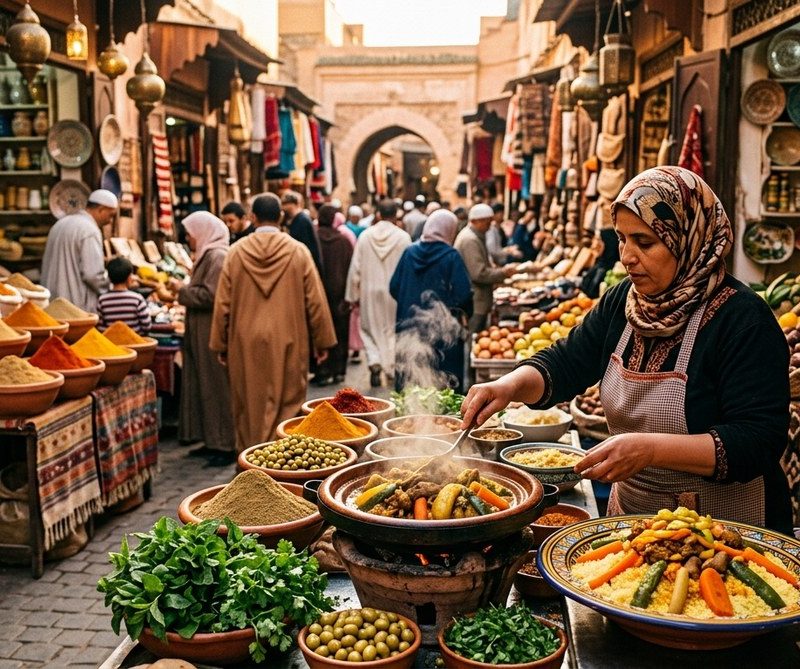
Morocco’s markets, or souks, are vibrant hubs where tradition and daily life intermingle. Each city and town boasts its own unique flavors and specialties. These markets are not just places to purchase ingredients but cultural experiences that reveal the heart of Moroccan life.
What Makes Moroccan Markets Special?
Moroccan markets are characterized by their lively atmosphere and colorful displays. Stalls overflow with fresh produce, aromatic spices, cured meats, and handcrafted goods. Vendors call out to attract customers, creating a rhythmic symphony of voices. The air is filled with scents of cumin, coriander, saffron, and mint.
Tips for Navigating Moroccan Markets
- Approach with curiosity. Engage vendors with a friendly smile. Most are happy to share stories about their products.
- Haggle politely. Bargaining is part of the shopping experience and often expected.
- Learn key phrases. Basic greetings and questions about ingredients can go a long way.
- Bring cash. Many stalls do not accept cards, so carry enough small bills.
Must-Visit Food Markets in Morocco
- Fès Medina: Known for its spice stalls and traditional Moroccan cooking ingredients.
- Marrakech Jemaa el-Fnaa: A lively square with food vendors serving everything from tagine to fresh juices.
- Chefchaouen Souk: Smaller but charming markets where you can find local cheeses and herbs.
Traditional Moroccan Dishes That Tell a Story
Moroccan cuisine reflects a history of cultural influences, from Arab to Berber, Andalusian, and French. Many dishes are slow-cooked, rich in spices, and served family-style. Here are some staples that every food lover should know.
Popular Dishes and Their Origins
- Tagine: Named after the earthenware pot in which it is cooked. These slow-cooked stews combine meat, vegetables, and dried fruits, seasoned with a blend of spices.
- Couscous: Often considered Morocco’s national dish, it features tiny steamed grains served with a variety of toppings or stews.
- Harira: A hearty soup made with tomatoes, lentils, chickpeas, and meat, traditionally eaten during Ramadan.
- Pastilla: A sweet and savory pie layered with pigeon or chicken meat, almonds, and cinnamon.
- Mechoui: Whole roasted lamb or sheep, often cooked during festivals or special occasions.
How to Experience Moroccan Dishes
- Visit local restaurants and street vendors. Many serve authentic recipes passed down through generations.
- Participate in cooking classes. Learning how to make a tagine or knead couscous brings a deeper appreciation.
- Sample dishes at markets. Standouts like freshly grilled kebabs or aromatic soups are best enjoyed hot from the vendor.
Culinary Techniques and Food Knowledge
Understanding Moroccan culinary techniques enriches your appreciation of the dishes. Here are some common methods and their pitfalls.
Techniques Used in Moroccan Cooking
| Technique | Description | Common Mistakes |
|---|---|---|
| Slow-cooking | Using the tagine or similar vessels to cook over low heat | Overcooking ingredients, resulting in mushy textures |
| Preserving Spices | Grinding fresh spices to release their full aroma | Using old spices that have lost flavor |
| Steaming | Preparing couscous and vegetables with gentle steam | Not soaking couscous properly before steaming |
A tip from Moroccan chefs: patience is key. Properly cooked tagines and couscous develop complex flavors that cannot be rushed.
Tips for Preparing Authentic Moroccan Dishes
- Use fresh herbs and spices for the most vibrant flavors.
- Invest in a good tagine or a heavy-bottomed pot.
- Balance spices carefully—less is often more.
- Keep in mind the importance of layering flavors—sweet, savory, spicy.
The Role of Spices and Ingredients
Spices define Moroccan cuisine. They are often combined into spice blends like Ras el Hanout, a mixture of dozens of spices tailored to each cook’s taste. Fresh herbs like cilantro and parsley are used generously, along with preserved lemons and olives.
Common Ingredients in Moroccan Cooking
- Saffron: Adds a golden hue and aromatic depth.
- Cumin and Coriander: Foundational flavors in stews.
- Preserved Lemons: Brighten dishes with a salty, citrusy tang.
- Dried Fruits: Apricots, dates, and raisins add sweetness to savory dishes.
Ingredient Preparation Tips
- Toast spices before grinding to enhance flavor.
- Rinse preserved lemons well to remove excess salt.
- Chop herbs just before adding to dishes for maximum freshness.
Moroccan Food Markets and Traditional Dishes as a Cultural Journey
Visiting Moroccan markets and tasting traditional dishes is a route into the country’s rich history. Every ingredient and recipe carries stories of ancient trade routes, religious traditions, and communal celebrations.
Expert advice: Taste local specialties at their source. Vendors often prepare dishes with pride, and their flavors are the most authentic.
Practical Steps to Embark on Your Culinary Adventure
- Plan visits during market days. Check local schedules for the best experience.
- Sample a variety of dishes. Don’t stick to just one; Moroccan cuisine offers a wide spectrum of flavors.
- Take notes or photos of dishes and ingredients to remember and replicate later.
- Engage with locals. Their stories and tips can deepen your culinary understanding.
A Moroccan Feast Awaits Your Palate
Moroccan food markets and traditional dishes offer a feast for the senses. Their vibrant colors, bold flavors, and centuries-old traditions make each meal an adventure. Whether wandering through a souk or sitting down to a steaming tagine, you’re tasting more than just food—you’re experiencing a culture rich in history and warmth.
Remember, the best way to learn is to taste and participate. Bring home not only recipes but also memories of Morocco’s lively markets and the soul-warming dishes that define its culinary landscape.