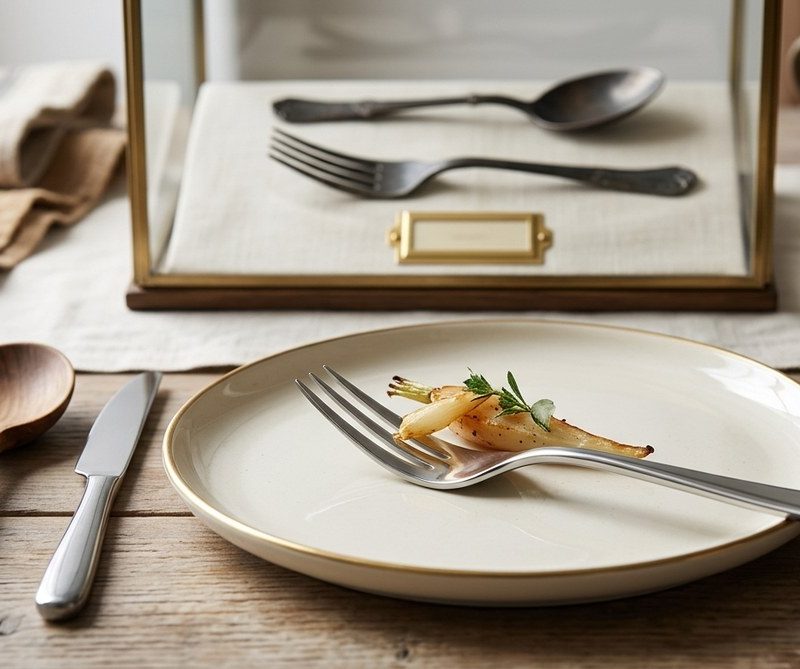
We rarely think about the fork. It sits next to our plate, familiar and unremarkable. But this simple tool sparked centuries of controversy, reshaped dining etiquette, and changed how we eat. The fork’s journey from a Byzantine noblewoman’s trunk to your kitchen drawer is a story of culture clash, religious suspicion, and slow acceptance. It is a history worth knowing, because it reveals how even the most ordinary objects carry extraordinary stories.
The fork was not always a staple of Western dining. It arrived in Europe from Byzantium in the 11th century, was rejected as decadent and unnatural, and took over 700 years to gain acceptance. Its adoption changed table manners, food preparation, and even the way we perceive eating. Understanding this history helps us appreciate why we eat the way we do today.
The First Fork: A Byzantine Princess and a Scandal
The first documented fork in Western Europe arrived in 1004 AD. A Byzantine princess named Maria Argyropoulina married the son of the Venetian doge. She brought with her a set of golden forks. She used them to eat without touching her food. The reaction was harsh.
Local clergy were outraged. They called the fork an offense to God. Saint Peter Damian, a prominent bishop, wrote that “God gave us fingers for a reason.” He argued that using a fork was an insult to divine design. When the princess died of plague a few years later, many saw it as divine punishment for her decadent habit.
This story shows how deeply cultural norms shape our tools. The fork was not just a utensil. It was a symbol of foreign luxury and moral decay. It would take centuries for Europe to change its mind.
Why Forks Were Seen as Unnatural
To understand the resistance, you have to consider medieval eating habits. Most people ate with their hands, a knife, and a spoon. Knives were personal tools carried on the belt. Spoons were used for soups and stews. Hands did the rest.
Eating with hands was not seen as crude. It was practical and honest. The fork, by contrast, seemed fussy and pretentious. It created distance between the eater and the food. Many believed this distance was unhealthy, both physically and spiritually.
There was also a practical problem. Early forks had only two tines. They were weak and bent easily. They could not spear solid food reliably. They were more decorative than useful. For most people, a good knife and clean fingers worked better.
The Fork Travels to Italy
Despite the early rejection, the fork did not disappear. It found a home in Italy. Italian merchants and nobles traveled to Byzantium and saw forks used in wealthy households. They brought the idea back.
By the 14th century, forks appeared in Italian courts. They were used for specific foods. Sticky fruits and sauces were hard to eat with fingers. A fork kept hands clean and prevented staining expensive fabrics. This was a practical advantage that slowly won people over.
Italian cookbooks from this period show a shift. Recipes began to assume the eater would use a fork. Dishes were prepared in smaller, fork-friendly pieces. This changed how food was served and cut.
Catherine de Medici Brings the Fork to France
The fork’s big break came in the 16th century. Catherine de Medici, an Italian noblewoman, married the future king of France. She brought her Italian courtiers, chefs, and eating habits with her.
French nobles were skeptical at first. But Catherine’s influence was strong. She hosted elaborate banquets where forks were used. The French court, always eager to appear sophisticated, began to adopt the tool.
This was not an instant change. It took decades for forks to spread beyond the court. But France became the gateway for the fork’s spread across Northern Europe.
Table Manners and the Fork
The fork changed more than just how we pick up food. It changed our entire approach to table manners.
Before the fork, diners shared food from communal platters. They used their hands or a shared knife. This required trust and closeness. With the fork, each person could take food without touching it. This created a new sense of personal space at the table.
New rules emerged. It became rude to eat with your hands. It became proper to hold the fork in your left hand while cutting with the right. These rules were not random. They grew directly from the fork’s design.
A key moment came in the 17th century. French etiquette manuals started teaching proper fork use. They specified which foods required a fork and which could still be eaten with hands. This was the birth of modern Western dining etiquette.
The Fork Arrives in America
American colonists brought forks with them, but the tool was not common. Most early Americans ate with knives, spoons, and their hands. Forks were seen as European affectations.
The change came in the 19th century. Immigration brought new customs. The Industrial Revolution made forks cheaper to produce. Steel forks replaced silver for everyday use. By the 1850s, forks were standard in most American homes.
American fork etiquette was simpler than European versions. Americans adopted the “zigzag” method. Cut with the knife in the right hand, then switch the fork to the right hand to eat. Europeans kept the fork in the left hand. This difference still marks the two dining cultures today.
How the Fork Changed Food
The fork did not just change how we eat. It changed what we eat and how we cook.
-
Smaller pieces of meat. Before forks, meat was served in large chunks that could be held with hands or a knife. Forks allowed cooks to serve smaller, pre-cut portions.
-
New sauces and preparations. With a fork, you could eat saucy foods without getting your hands dirty. This encouraged richer, more complex sauces.
-
The rise of pasta. Pasta was eaten with hands or a spoon for centuries. The fork made it possible to twirl noodles elegantly. This changed pasta from street food to a refined dish.
-
Salad as a course. Forks allowed people to eat leafy greens without using fingers. This helped salads become a standard part of Western meals.
-
Dessert forks. The invention of the dessert fork in the 19th century allowed for delicate pastries and cakes. It created a whole new course in formal dining.
Common Fork Mistakes at the Table
Even today, many people get fork etiquette wrong. Here is a simple guide to what works and what does not.
| Situation | Correct Use | Common Mistake |
|---|---|---|
| Formal dinner | Hold fork in left hand while cutting | Switching fork to right hand after cutting |
| Salad course | Use the outermost fork first | Using the dinner fork by mistake |
| Dessert | Use the small fork above the plate | Using a dinner fork for cake |
| Pasta | Twirl noodles against the bowl | Cutting pasta with the fork |
| Fish | Use the fish fork (wider tines) | Using the meat fork for delicate fish |
The Fork in Global Dining
Not every culture adopted the fork. Many parts of the world still eat with chopsticks, hands, or spoons. Each method has its own logic.
Chopsticks are excellent for picking up small pieces of food and noodles. They require practice but offer precision. Hands are still used in many cultures for breads, rice, and communal meals. Eating with hands can be more sensory and intimate.
The fork is not superior to these methods. It is simply different. The history of the fork teaches us that no tool is natural. Every eating method is a cultural choice that was once new and controversial.
A Step-by-Step Guide to Proper Fork Use
If you want to use a fork with confidence, follow these steps:
-
Identify the correct fork. In a formal setting, work from the outside in. The salad fork is farthest left. The dinner fork is next to the plate.
-
Hold it correctly. For American style, hold the fork in your dominant hand when eating. For European style, keep it in your left hand.
-
Cut one piece at a time. Do not cut all your food at once. Cut one bite, eat it, then cut another.
-
Rest it properly. Place the fork across the plate when pausing. Cross it with the knife when finished.
-
Use the right fork for the right food. Do not use a salad fork for the main course. Do not use a dessert fork for the appetizer.
The Future of the Fork
The fork continues to evolve. In 2026, designers are experimenting with new materials and shapes. Some forks have curved tines for easier twirling. Others are made from bamboo or recycled plastic.
There is also a growing interest in historical eating methods. Some restaurants now serve meals without forks, encouraging diners to eat with their hands. This is not a rejection of the fork. It is a reminder that the fork is one choice among many.
“The fork is not a universal standard of civilization. It is a specific solution to a specific problem. Its history shows us that what we call ‘proper’ dining is always changing.” — Margaret Visser, food historian
The Fork and Your Own Dining
The next time you pick up a fork, think about its long journey. It survived religious condemnation, cultural prejudice, and practical limitations. It changed from a luxury item for princesses to a tool for everyone.
This history matters because it reminds us that our habits are not inevitable. The way we eat today is the result of centuries of trial, error, and change. You can use this knowledge to be more thoughtful about your own dining. Try using a fork in a new way. Or try eating without one. See how it changes your experience.
If you want to learn more about how other cultures eat, check out our guide on why you should try eating with your hands. It offers a different perspective on the tools we take for granted.
What the Fork Teaches Us About Change
The fork’s story is not just about dining. It is about how new ideas spread. The fork was rejected for centuries, then slowly accepted, then celebrated. This pattern repeats with many innovations.
Think about how the fork changed our sense of cleanliness. Before forks, touching food was normal. After forks, it became unhygienic. This shift did not happen because of science. It happened because of culture.
The same process is happening today with other dining habits. Plant-based eating, zero-waste cooking, and new kitchen tools are all going through similar cycles of rejection and acceptance. The fork’s history helps us understand these changes.
So next time you sit down to a meal, take a moment. Look at your fork. Remember the Byzantine princess who brought it to Europe. Remember the cooks who changed their recipes for it. Remember the etiquette experts who wrote rules for it. And then enjoy your meal, knowing that you are part of a story that is still being written.