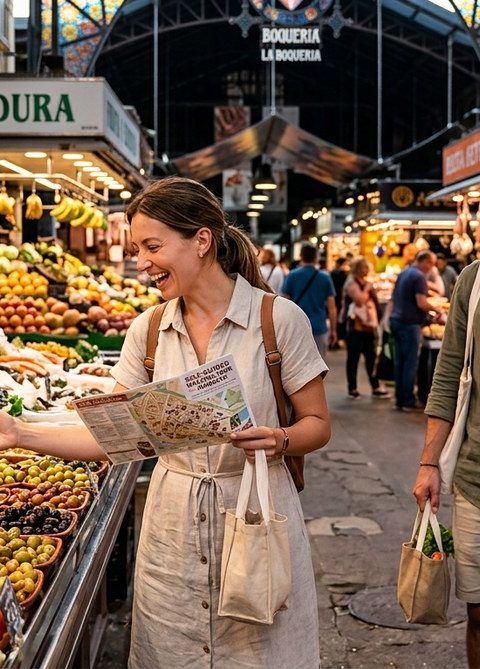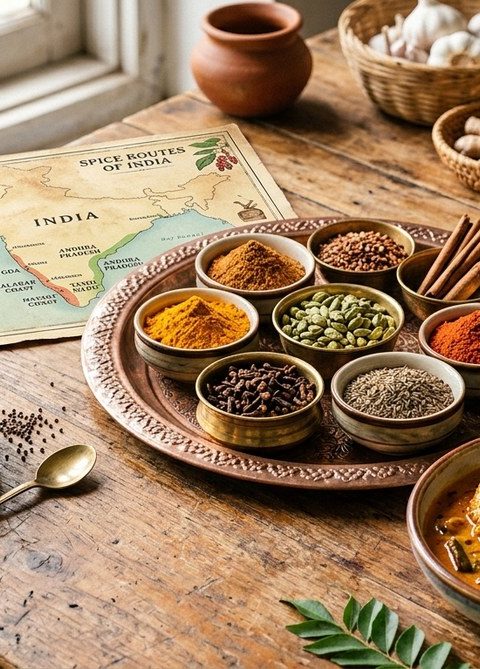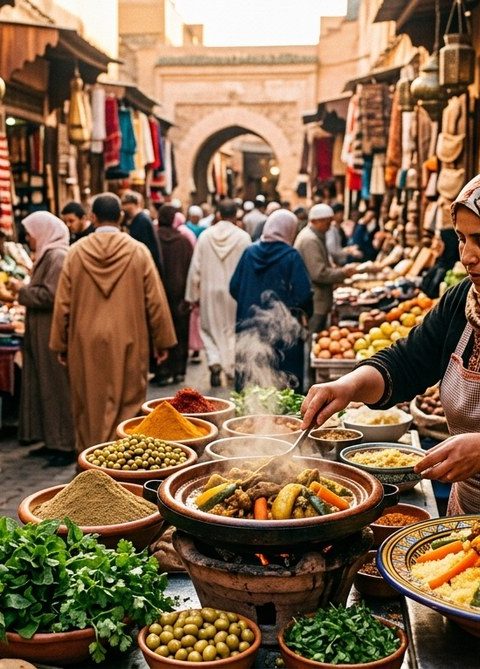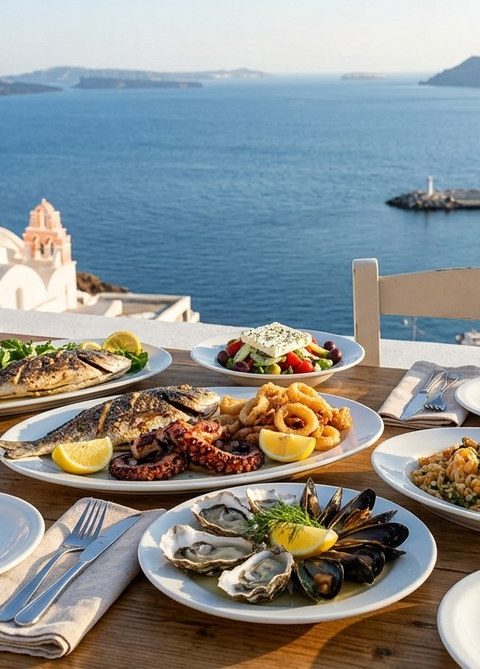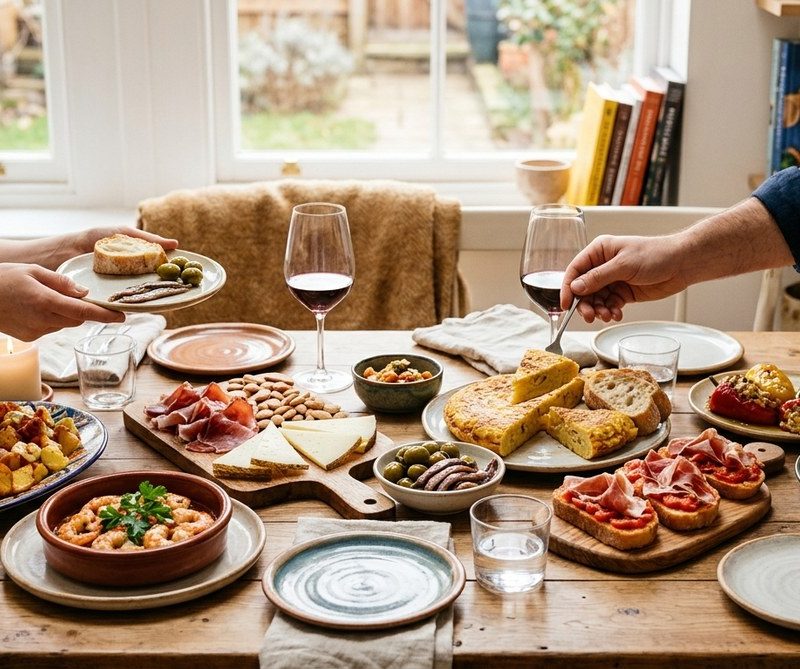
Picture a warm evening where laughter drifts across the table and everyone reaches for a different tiny plate. One person grabs a skewer of garlic shrimp. Another dips bread into smoky roasted eggplant. A third pours a glass of crisp albariño. This is the magic of a tapas crawl, and you do not need a plane ticket to experience it. You just need a kitchen, a few good recipes, and a plan.
A DIY Mediterranean tapas crawl at home turns your dining room into a multi-stop food tour. By cooking five to seven small plates from different regions, you recreate the social bar-hopping energy of Spain, Greece, and North Africa. The secret is pacing: serve dishes in waves, pair each with a drink, and let guests graze for two to three hours.
What Makes a Tapas Crawl Different from a Regular Dinner Party
A standard dinner party centers on one main course. A tapas crawl is built on movement and variety. Guests stand, sit, walk to the kitchen island, and come back for another round. The food arrives in stages, and each course feels like a new discovery.
In Spain, a tapeo (the act of going for tapas) involves walking from bar to bar. You order a small plate and a drink at one spot, then move to the next. At home, you recreate that journey by dividing your space into stations. The living room becomes one bar. The kitchen counter becomes another. The dining table holds the final round.
This format works especially well for home cooks who want to host without being stuck in the kitchen. Since most dishes can be made ahead or finished in minutes, you spend more time with your guests and less time sweating over a stove.
Choosing Your Mediterranean Regions
The Mediterranean is vast. For a DIY tapas crawl, pick three to four areas and let their flavors guide you. Each region brings something different.
Spain gives you garlic shrimp (gambas al ajillo), patatas bravas with spicy tomato sauce, and jamón serrano with manchego cheese. These are crowd-pleasers and fairly simple to execute.
Greece contributes creamy tzatziki, spanakopita (spinach and feta pies), and grilled octopus with lemon and oregano. The bright, herbal notes balance the richness of Spanish dishes.
Morocco or North Africa adds harissa-roasted carrots, lamb kefta meatballs, and warm flatbread with olive oil and za’atar. The spices bring warmth and depth.
Italy’s southern coast offers arancini (rice balls), marinated olives, and caprese skewers. These are easy to assemble and require almost no cooking.
You do not need to cover all four. Three regions with two dishes each gives you six plates, which is plenty for a group of six to eight people.
The Core Structure of Your Crawl
A DIY Mediterranean tapas crawl at home follows a logical flow. Think of it like a concert setlist. You start with cold dishes, move to hot plates, and finish with something sweet or savory.
Stage One: Cold Dishes and Dips
These sit out from the beginning. Guests can nibble while you finish cooking.
- Marinated olives with fennel and orange peel
- Tzatziki with crudités
- Manchego cheese with quince paste
- Hummus with warm pita
Set these on a side table or coffee table. Provide small plates and napkins so people can help themselves.
Stage Two: Hot Small Plates
These come out in two waves. Wave one is lighter: patatas bravas, garlic shrimp, or fried calamari. Wave two is heartier: lamb meatballs, baked spanakopita, or stuffed grape leaves.
Cook wave one just before guests arrive. Keep wave two ingredients prepped so you can finish them in fifteen minutes once the first wave is gone.
Stage Three: The Sweet or Savory Finish
A small plate of baklava, fresh fruit with mint, or a cheese plate with honey and walnuts signals the end of the crawl. It should be light and refreshing, not heavy.
A Sample Menu for Six People
Here is a practical menu that balances effort and wow factor.
| Course | Dish | Region | Prep Time |
|---|---|---|---|
| Cold | Marinated olives and manchego | Spain | 5 minutes |
| Cold | Tzatziki with cucumber spears | Greece | 10 minutes |
| Hot wave 1 | Patatas bravas | Spain | 30 minutes |
| Hot wave 1 | Garlic shrimp | Spain | 10 minutes |
| Hot wave 2 | Lamb kefta meatballs | Morocco | 25 minutes |
| Hot wave 2 | Spanakopita (store-bought or homemade) | Greece | 20 minutes |
| Finish | Baklava bites and mint tea | Morocco | 0 minutes |
Total active cooking time is about ninety minutes, and most of it can be done ahead. The garlic shrimp and patatas bravas are the only dishes that need last-minute attention.
Common Mistakes and How to Avoid Them
Even experienced home cooks trip up on a tapas crawl. Here is a table of frequent errors and their fixes.
| Mistake | Why It Happens | The Fix |
|---|---|---|
| Serving everything at once | Fear that food will get cold | Use a staggered plan. Serve cold dishes first, then hot in waves. |
| Too many similar flavors | All dishes use garlic and olive oil | Include one bright, acidic dish (lemon-marinated shrimp) and one creamy dish (tzatziki). |
| Overcomplicating recipes | Wanting to impress | Pick three dishes that are new and three that you already know. |
| Forgetting drinks | No pairing plan | Offer one red, one white, and one non-alcoholic option. |
Expert advice: “A great tapas crawl is about rhythm, not perfection. If the shrimp are slightly overdone but the wine is cold and the company is good, nobody will notice. Cook the dishes you love, and your confidence will carry the night.” — Chef Maria Santos, author of Small Plates, Big Flavors
Setting Up Your Stations
You do not need a large house. A standard living room and kitchen can hold three stations.
Station one: The cold bar. Use a sideboard or coffee table. Arrange cheeses, olives, dips, and bread. Add small plates and napkins.
Station two: The hot line. Use the kitchen island or a counter. Set out hot dishes as they finish. Guests come to you, which keeps the energy moving.
Station three: The dessert nook. A separate table or corner with sweets and tea. This gives guests a reason to move one last time.
Label each station with a small card. Write the dish name and a one-sentence description. It adds a professional touch and helps guests who have dietary questions.
Timing Your Evening
A DIY Mediterranean tapas crawl at home should last about two and a half hours. Here is a numbered timeline to keep you on track.
- One hour before guests arrive. Set up the cold bar. Arrange cheese, olives, and dips. Cover everything with plastic wrap.
- Thirty minutes before. Start the patatas bravas. Cut and parboil the potatoes. Have the sauce ready.
- Fifteen minutes before. Put out the cold bar. Remove the plastic wrap. Open the white wine.
- Guests arrive. Let them graze on cold dishes for thirty minutes.
- Forty-five minutes in. Cook the garlic shrimp. Fry the patatas bravas. Serve wave one.
- One hour fifteen minutes in. Start the lamb meatballs. Warm the spanakopita. Serve wave two.
- Two hours in. Clear the savory plates. Bring out baklava and mint tea.
- Two hours thirty minutes. The crawl naturally winds down. Guests leave happy and full.
Pairing Drinks with Each Wave
Drinks are part of the experience. You do not need a full bar, but three well-chosen options make a difference.
- Cold dishes. A crisp albariño or a dry rosé. The acidity cuts through olive oil and cheese.
- Hot wave one. A light red like tempranillo or a Spanish garnacha. These match garlic shrimp and potatoes.
- Hot wave two. A medium-bodied red such as rioja. It stands up to lamb and spices.
- Finish. Mint tea (Moroccan style) or a small glass of muscat dessert wine.
For non-alcoholic options, offer sparkling water with lemon and mint or a pomegranate spritzer.
How to Adapt for Dietary Restrictions
A tapas crawl is naturally friendly to different diets because of the small-plate format. Here are easy swaps.
- Vegetarian. Replace meatballs with mushroom and walnut kefta. Use vegan cheese for the cold bar.
- Gluten-free. Skip the bread and pita. Serve crudités with tzatziki and hummus. Use corn tortillas for patatas bravas.
- Dairy-free. Offer olives, marinated vegetables, and grilled shrimp. Check that your hummus has no added dairy.
Label each dish with a small flag or sticker. Guests with restrictions appreciate knowing what is safe without having to ask.
Why This Works for Any Occasion
A DIY Mediterranean tapas crawl at home fits birthdays, holidays, or a regular Saturday night. It feels special without requiring a formal sit-down dinner. The format encourages conversation because people move around. It also gives the host freedom to enjoy the party instead of disappearing into the kitchen.
If you want to build a full themed night, consider pairing this crawl with a week-long culinary journey through Tuscany or a 48-hour street food adventure in Bangkok for your next gathering. Each style of food crawl teaches you something new about pacing and flavor.
The Tools You Actually Need
You do not need specialty equipment. Here is a short list of what helps.
- A large skillet or two (cast iron works great)
- Small bowls for dips and olives
- Wooden skewers for shrimp or meatballs
- A cutting board for the cold bar
- Small plates (mix and match is fine)
- Napkins and toothpicks
That is it. If you have a basic kitchen, you are ready.
Your First DIY Mediterranean Tapas Crawl at Home
The best way to learn is to do it. Start with a small group of four to six people. Choose three regions and five dishes. Set up two stations. Pour a glass of wine for yourself before guests arrive. When someone asks how you pulled it off, smile and tell them the secret is in the pacing.
For more inspiration on crafting food experiences at home, read our guide on how to create your own international food tour. It walks you through the same principles on a larger scale.
The Last Bite
A DIY Mediterranean tapas crawl at home is not about perfection. It is about sharing small, delicious moments with people you like. The food matters, but the atmosphere matters more. So light a candle, put on some music, and let the evening unfold plate by plate. Your kitchen can be the best tapas bar in town.