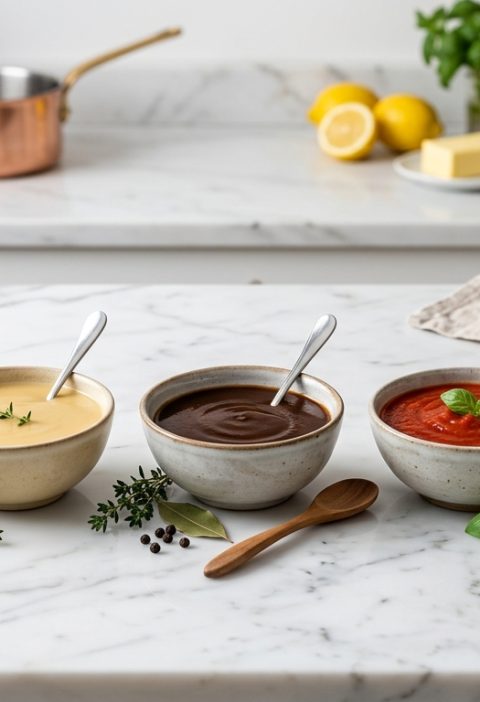
Cooking involves many science-backed techniques that elevate dishes from average to exceptional. One of these essential methods is emulsification. This process allows you to combine ingredients that normally refuse to mingle, like oil and water, resulting in creamy dressings, silky sauces, and even tender baked goods. Understanding the science behind emulsification, along with practical techniques, can transform your culinary creations and boost your confidence in the kitchen.
What is emulsification and why does it matter?
Emulsification is the process of blending two liquids that usually don’t mix well—most commonly oil and water-based liquids—into a stable, uniform mixture. Think of classic salad dressings, mayonnaise, hollandaise sauce, or even some baked treats that rely on emulsified fats and liquids. When properly done, emulsification creates a smooth, cohesive texture that enhances flavor and appearance.
Without proper emulsification, sauces can split or separate, leaving behind a watery mess or greasy layers. Mastering this technique allows you to create foods with consistent texture, better flavor distribution, and appealing presentation. Whether you’re making a vinaigrette or a buttercream frosting, understanding how to emulsify helps ensure your recipes turn out just right.
The science behind emulsification
At its core, emulsification involves breaking down one liquid into tiny droplets dispersed throughout another. These tiny droplets are stabilized by emulsifiers—ingredients that reduce surface tension and prevent the droplets from recombining or separating.
The process is influenced by factors such as temperature, the ratio of ingredients, and the method of mixing. When you whisk oil into vinegar or lemon juice vigorously, you create small droplets that are temporarily stabilized by the natural emulsifiers in ingredients like egg yolks or mustard. As the mixture sits, the droplets can coalesce and separate unless stabilized further.
Types of emulsions
There are two main types of emulsions:
- Oil-in-water (O/W): Oil droplets dispersed in water-based liquids. Examples include vinaigrettes and mayonnaise.
- Water-in-oil (W/O): Water droplets dispersed in oil. Examples include certain spreads like butter or margarine.
Knowing which type you’re aiming for helps you choose the right ingredients and techniques.
Common emulsifiers and their roles
Emulsifiers are the heroes that keep your mixtures together. Some of the most common include:
- Egg yolks: Rich in lecithin, which stabilizes a variety of sauces.
- Mustard: Contains natural emulsifying agents that help create stable vinaigrettes.
- Honey and honey-based ingredients: Slightly emulsify dressings and sauces.
- Dairy products like cream and sour cream: Add richness and stability.
- Plant-based options such as soy lecithin or aquafaba (chickpea water) for vegan recipes.
Using these ingredients thoughtfully can make a significant difference in the stability and texture of your emulsions.
How to create a stable emulsion in cooking and baking
Achieving a stable emulsion involves a few simple, step-by-step techniques. Follow these to elevate your culinary skills:
1. Prepare your ingredients
Start with ingredients at room temperature. Cold liquids are harder to emulsify. Measure your ingredients carefully, and have your emulsifier (such as egg yolk or mustard) ready.
2. Whisk or blend vigorously
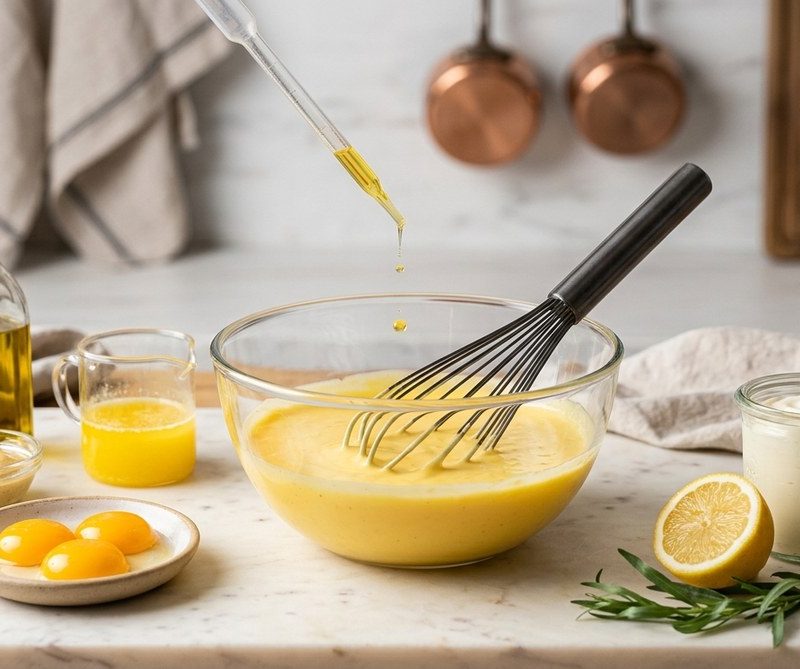
Use a whisk, hand blender, or food processor to mix ingredients thoroughly. The goal is to break the oil into tiny droplets that are evenly dispersed throughout the water-based liquid.
3. Add oil gradually
Pour oil slowly in a thin stream while whisking constantly. This allows droplets to form gradually and stabilizes the emulsion. Patience here makes a big difference.
4. Use stabilizers if needed
In recipes like mayonnaise or hollandaise, the emulsifier (egg yolk or butter) does the stabilizing work. In more delicate emulsions, adding a small amount of thickening agents like xanthan gum can help.
5. Adjust and troubleshoot
If your emulsion begins to break or separate, try to bring it back by whisking in a teaspoon of hot water or adding a fresh emulsifier. Sometimes starting with a new egg yolk and gradually adding the broken mixture can rescue it.
Techniques and common mistakes at a glance
| Technique | Description | Common Mistake | How to fix |
|---|---|---|---|
| Gradual addition | Slowly pour oil while whisking | Adding oil too fast | Add oil in a thin stream slowly |
| Proper temperature | Use ingredients at room temperature | Using cold ingredients | Warm ingredients slightly before mixing |
| Use of emulsifier | Incorporate egg yolk or mustard | Skipping emulsifier | Always include a stabilizer, especially in homemade dressings |
| Vigorous whisking | Mix thoroughly | Under-mixing | Whisk until mixture thickens and looks uniform |
| Stabilization | Use thickeners if needed | Forgetting to stabilize | Add a small amount of xanthan gum or similar |
Expert tip: As chef Julia Child once said, “The only real stumbling block is the fear of failure.” Emulsification might seem tricky at first but with patience and practice, you’ll see impressive results.
Troubleshooting common emulsification issues
Even seasoned cooks face challenges with emulsions. Here are some tips to troubleshoot:
- If your sauce splits, try to rescue it by whisking in a teaspoon of hot water or a fresh egg yolk.
- For vinaigrettes that separate quickly, add a small amount of mustard or honey to help stabilize.
- If the mixture is too thick or stiff, thin it with a splash of warm water or vinegar.
- Use a clean bowl and utensils to avoid introducing contaminants that can destabilize the emulsion.
Incorporating emulsification into your baking
Emulsification isn’t limited to sauces and dressings. It plays a vital role in baking too. For example, when making buttercream or certain cakes, emulsifying fats and liquids creates a silky texture and even crumb.
In baked goods, fats like butter or oil are often emulsified with eggs and liquids to develop a uniform batter. Proper emulsification ensures a tender crumb and smooth icing. Techniques like creaming butter and sugar or whisking eggs into batters rely on this principle.
Why mastering emulsification benefits home cooks and professionals alike
Understanding how to emulsify confidently allows you to create a wide range of dishes with improved texture and flavor. It opens the door to making restaurant-quality sauces, dressings, and baked goods at home. Plus, it saves you from frustration when sauces split or dressings refuse to come together.
Whether you’re preparing a simple vinaigrette or crafting an elaborate hollandaise, the principles remain the same. Practice the steps patiently, and you’ll find emulsification becomes second nature.
A final word on emulsification
Mastering emulsification is like unlocking a secret culinary superpower. It transforms your cooking from basic to refined and gives you control over textures that elevate your dishes. Start with small batches, follow the techniques outlined here, and don’t be afraid to experiment. With time, you’ll develop an intuitive feel for creating stable, luscious emulsions that impress every time.
Happy emulsifying!