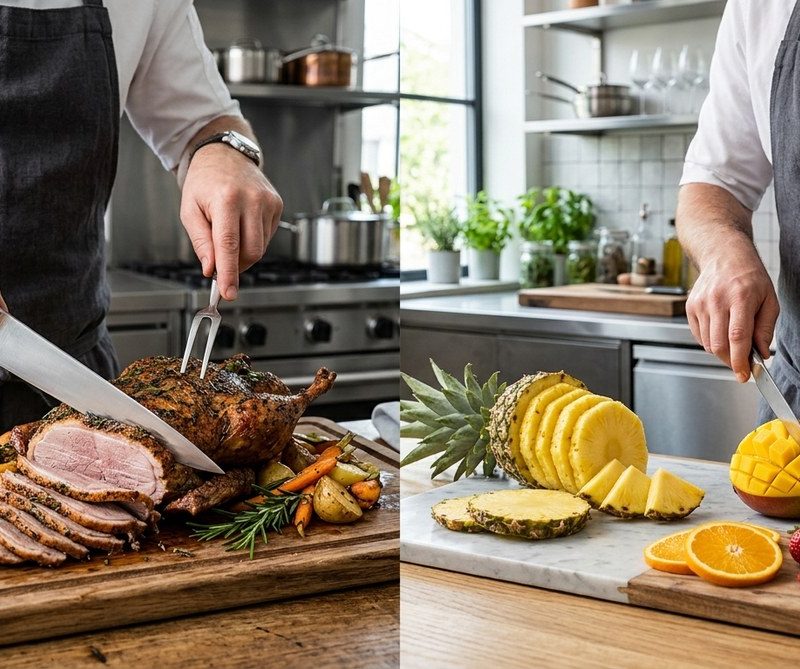
Carving is more than just slicing meat or fruits. It’s an art that transforms simple ingredients into visually stunning dishes. Whether you are preparing a roast for a family dinner or creating an eye-catching fruit platter for a celebration, mastering carving techniques for meats and fruits can make a significant difference. Proper carving not only improves presentation but also enhances the eating experience. Let’s explore how you can elevate your skills and impress your guests with confident, precise cuts.
Understanding the Basics of Carving
Before diving into specific techniques, it helps to understand some key culinary terms. Carving involves cutting food into specific shapes or sizes, often for presentation or portioning. It requires sharp knives, steady hands, and a good eye for detail. Carving different types of food demands different methods, tools, and angles, but the core principles remain consistent: control, precision, and patience.
Why Proper Carving Matters
Good carving techniques ensure your meats stay tender and slices are even. For fruits, it creates attractive shapes that make your dishes more appealing. Proper carving can also reduce waste, making your ingredients go further. Remember, the goal is to serve food that looks as good as it tastes.
Essential Tools for Carving
Having the right tools makes all the difference. Invest in a high-quality carving knife with a sharp, flexible blade. A carving fork is also useful for stabilizing food. For fruits, small paring knives and specialty tools like melon ballers or crinkle cutters can add decorative touches. Keep your knives sharp to make smooth, controlled cuts and prevent tearing or crushing.
Step-by-Step Carving Techniques for Meats
Carving meats involves understanding the grain, using proper angles, and making clean, thin slices. Here’s a simple process to get you started:
-
Rest the meat: After cooking, let the meat rest for at least 10 minutes. This redistributes juices and makes carving easier.
-
Identify the grain: Look for the direction of the muscle fibers. Cutting against the grain results in tender slices.
-
Stabilize the meat: Use a carving fork to hold the meat securely on a stable surface or cutting board.
-
Make controlled slices: Hold your knife at a 45-degree angle to the meat surface and use smooth, even strokes to cut against the grain. Thin slices are ideal for serving or presentation.
-
Serve immediately: Arrange slices attractively on a platter for visual appeal.
Practical Process
- Rest your cooked meat on a clean cutting board.
- Use your fingers to locate the grain by gently pressing the surface.
- Insert the carving fork into the meat to secure it.
- Slice against the grain, starting from one end, maintaining a steady hand.
- Serve slices in a fan or layered pattern to showcase your skill.
Common Mistakes to Avoid
| Techniques | Mistakes |
|---|---|
| Cutting against the grain | Slicing with the grain, resulting in tough, chewy slices |
| Using a dull knife | Tearing the meat or fruit instead of clean cuts |
| Applying too much pressure | Crushing the food, losing shape and presentation |
An expert tip: Always use a sharp knife for carving. A dull blade demands more force and can slip, causing injuries or uneven slices.
Carving Fruits for Artistic Presentation
Fruits offer endless opportunities for creative carving. From simple slices to elaborate designs, carving fruits can turn a basic fruit platter into a centerpiece.
Basic Fruit Carving Techniques
- Peeling and slicing: Use a peeler or paring knife to remove skins and create uniform slices.
- Cutting shapes: Use cookie cutters or small knives to punch out shapes like stars, hearts, or flowers.
- Layering and stacking: Arrange slices or carved pieces in patterns for visual impact.
- Decorative edges: Crinkle cutters or zigzag tools add textured borders.
Practical Process
- Select ripe, firm fruits like melons, pineapples, or apples.
- Use a sharp knife to cut the fruit into manageable sections.
- Shape the pieces using molds or freehand carving.
- Combine different shapes and colors for a vibrant display.
- Finish with garnishes like mint leaves or edible flowers.
Tips for Fruit Carving Success
- Keep your knives sharp.
- Work slowly to maintain precision.
- Use chilled fruits for cleaner cuts.
- Plan your design before starting.
Common Carving Mistakes and How to Fix Them
| Mistake | Solution |
|---|---|
| Tearing delicate fruits or meats | Use sharper knives and gentle strokes |
| Uneven or thick slices | Slice slowly and at a consistent angle |
| Overworking the food | Stop when the shape is achieved to avoid damage |
Expert Advice on Carving
“Patience and practice are key. Start with simple shapes and gradually try more complex designs. Always prioritize safety by keeping your knives sharp and handling them carefully.” – Culinary master
Elevating Your Presentation with Carving
Carving is an art that combines technical skill with creativity. It allows you to personalize dishes and impress guests. Practice makes perfect, so consider experimenting with different fruits and meats to develop your style.
Final Tips for Confident Carving
- Always use sharp knives.
- Rest meats before carving.
- Identify the grain for meats.
- Plan your fruit designs ahead.
- Keep your workspace clean and organized.
A Final Word on Carving Techniques for Meats and Fruits
Mastering carving techniques for meats and fruits elevates your cooking from ordinary to extraordinary. It’s a skill that combines precision, patience, and artistic flair. Start with simple cuts and shapes, then gradually explore more intricate designs. With practice, your presentation skills will shine, making every dish a feast for the eyes and the palate.
Remember, carving is as much about enjoyment as it is about technique. Have fun experimenting and creating beautiful dishes that reflect your unique style. Your guests will notice the extra effort, and you will gain confidence in your culinary artistry.