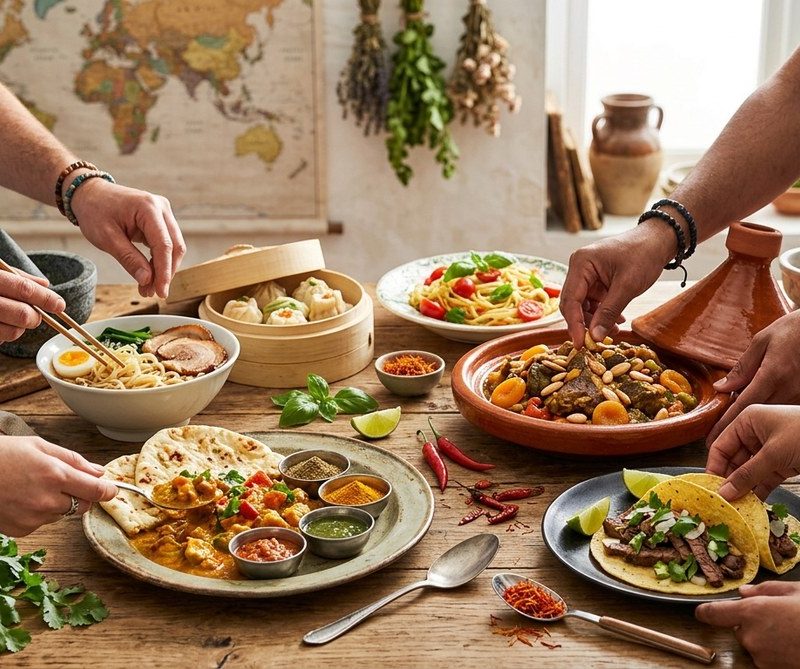
Food is more than just sustenance. It acts as a mirror reflecting a community’s history, values, and traditions. Every dish, ingredient, and cooking technique tells a story about where people come from, what they believe in, and how they see the world. When you understand how food shapes cultural identity, you gain a richer appreciation for the diversity and complexity of human societies. Whether through rituals, social bonds, or national symbols, food helps define who we are.
Food serves as a vital expression of cultural identity, connecting communities through shared traditions, history, and values. It shapes how societies see themselves and how others perceive them, making culinary practices powerful symbols of cultural pride and heritage.
Understanding the relationship between food and cultural identity involves examining not just what we eat but how and why we eat it. Food acts as a cultural language, conveying messages that words often cannot. It influences social structures, preserves traditions, and even fosters a sense of belonging.
How Culinary Traditions Define Cultural Identity
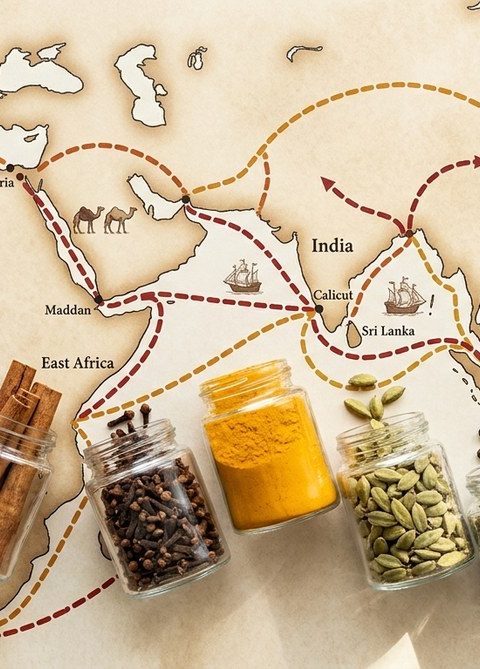
Culinary traditions are unique to each society and evolve over centuries. They are shaped by geography, climate, history, and social interactions. For example, Japanese cuisine emphasizes fresh seafood and rice, reflecting its island geography and historical reliance on maritime resources. In contrast, the spices used in Indian dishes highlight centuries of trade and cultural exchange along the spice routes.
Food customs are often linked to rituals and ceremonies. During religious festivals like Diwali in India or Hanukkah in Jewish communities, specific foods are prepared to honor tradition. These culinary rituals reinforce cultural bonds and pass down values from one generation to the next.
The Role of Ingredients in Cultural Significance
Ingredients chosen for traditional dishes are often symbols of local history and environment. For instance, maize in Central America represents both sustenance and cultural identity, seen in dishes like tamales and tortillas. In the Mediterranean, olive oil signifies peace and prosperity, integral to regional cuisine and social practices.
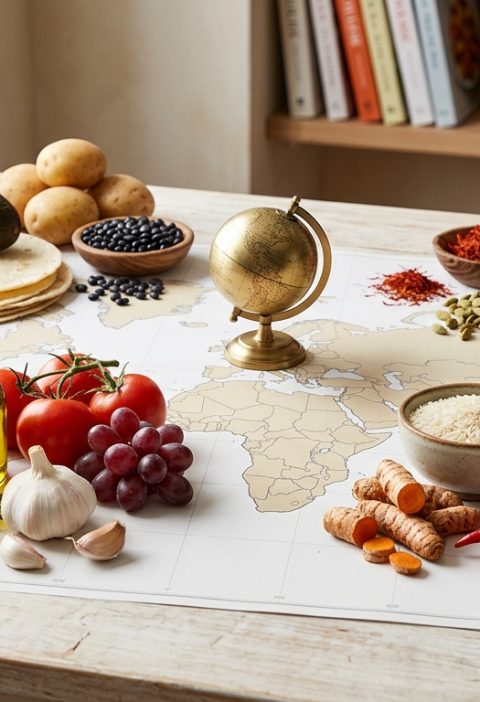
The selection of ingredients can also reflect historical influences, such as the introduction of tomatoes to Italy from the Americas or spices arriving via trade routes. These elements become part of a society’s culinary identity, encapsulating stories of migration, colonization, and adaptation.
Food as a Reflection of Social Hierarchy and Values
Culinary customs often mirror social structures. In many cultures, certain foods are reserved for specific classes or occasions. For example, in feudal Japan, elaborate kaiseki meals symbolized status and refinement. Similarly, in Western societies, gourmet dishes and fine wines often represent wealth and privilege.
Conversely, communal eating practices foster social cohesion. Sharing traditional dishes during family gatherings or festivals strengthens bonds and affirms cultural belonging. The act of preparing and consuming food becomes a collective ritual that sustains cultural identity.
Practical Ways Food Reflects and Shapes Identity
Understanding how culinary traditions influence cultural identity can be achieved through several practical steps:
- Research regional dishes and their history. Learn how ingredients and techniques reveal local environment and history.
- Participate in cultural food events. Festivals, cooking classes, and food markets offer immersive experiences.
- Document personal or family recipes. Preserve culinary heritage by recording traditional methods and stories.
- Visit local markets and eateries. Observe how ingredients are sourced and prepared, revealing cultural priorities.
Techniques for Appreciating Culinary Identity
| Technique | What it involves | Common mistakes to avoid |
|---|---|---|
| Ethnographic research | Engaging with local communities to understand food practices | Assuming cultural practices are static or universal |
| Participatory cooking | Learning recipes through hands-on experience | Neglecting the significance of rituals and symbolism |
| Food history analysis | Tracing ingredients and dishes back through time | Overgeneralizing cultural narratives or ignoring regional differences |
“Food is a living record of history, migration, and identity,” notes culinary anthropologist Dr. Lisa M. Smith. Her work emphasizes that food traditions are dynamic and constantly evolving, mirroring societal changes while maintaining core cultural elements.
How Food Connects Personal and Collective Identity
For many, food is intertwined with personal memories and family heritage. Recipes handed down through generations carry stories of ancestors and migrations. Celebrating national dishes during holidays fosters pride and unity. For example, the American Thanksgiving turkey or the French baguette serve as national symbols that evoke shared identity.
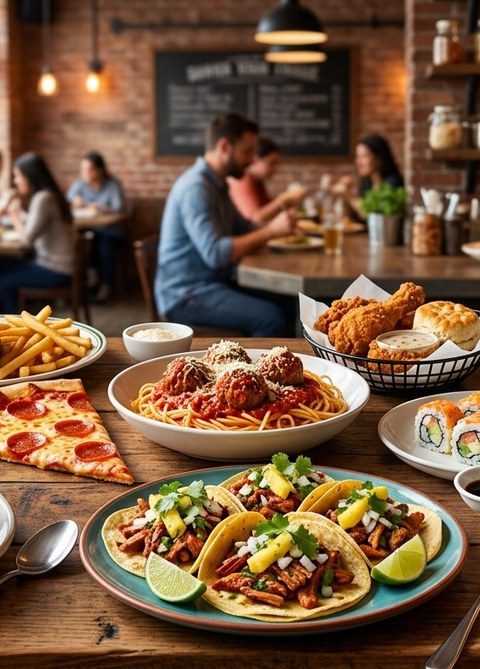
Food also plays a role in multicultural societies. Fusion cuisines blend elements from different cultures, creating new identities while honoring roots. This culinary hybridity reflects broader social realities, such as migration and globalization, shaping contemporary cultural identities.
Practical Process to Understand Food and Cultural Identity
- Identify traditional dishes linked to specific holidays or regions.
- Learn about the history behind key ingredients.
- Engage with community elders or cultural experts to hear stories about food practices.
- Participate in culinary traditions firsthand to experience their significance.
Common pitfalls in understanding culinary identity
| Technique | What it risks | How to avoid |
|---|---|---|
| Stereotyping food customs | Reducing culture to stereotypes | Approach traditions with sensitivity and curiosity |
| Ignoring regional variation | Assuming uniformity across a culture | Recognize regional differences and local adaptations |
| Overlooking contemporary influences | Viewing traditions as static | Acknowledge ongoing evolution and fusion |
Celebrating Culinary Diversity and Its Impact
Regional cuisines serve as vibrant expressions of cultural diversity. They demonstrate how people adapt ingredients and techniques to their environment and history. For example, the spicy curries of Thailand reflect tropical climate and trade influences, while the hearty stews of Eastern Europe reveal colder climates and communal traditions.
By appreciating this diversity, we recognize the importance of preserving culinary heritage amid globalization. It encourages respect for different ways of life and fosters cross-cultural understanding.
Final Thoughts on Food and Cultural Identity
Food is a language that speaks across boundaries. It carries stories, values, and histories that define communities and individuals alike. By exploring culinary traditions, we gain insight into how societies see themselves and wish to be seen. Each dish, ingredient, and ritual holds a piece of a larger cultural puzzle, connecting past and present.
As you seek to understand or preserve cultural identities through food, remember that sharing a meal is a universal act of connection. Whether through family recipes or international cuisines, food enables us to celebrate our diversity and find common ground.
Incorporate this awareness into your culinary journey. Every time you cook or taste a new dish, think about the story it tells. Your appreciation for food’s role in shaping cultural identity deepens with each experience, enriching your understanding of the world around you.