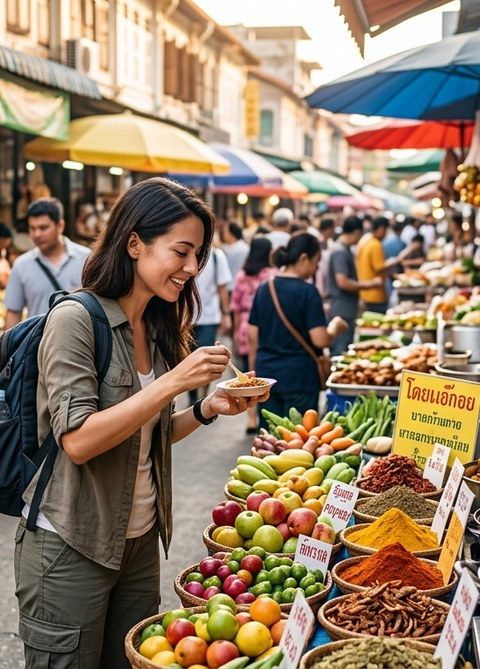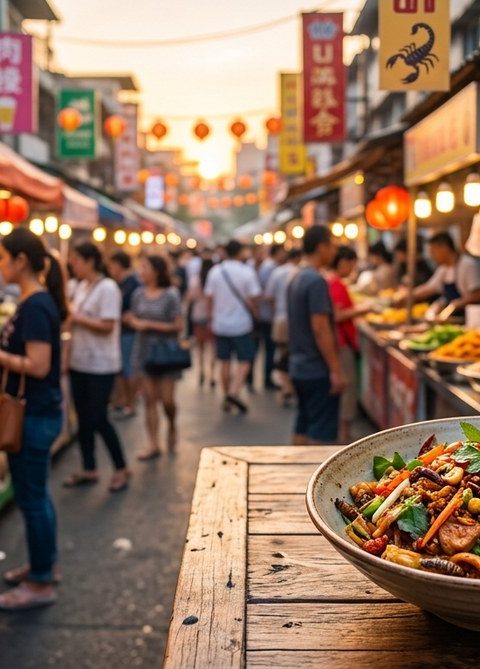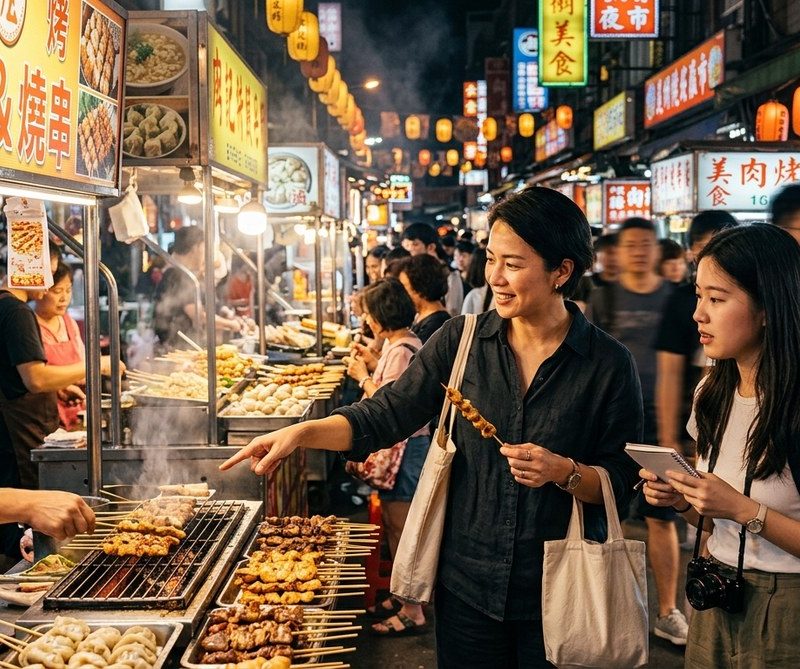
The sizzle of grilled skewers fills the air. Neon lights bounce off steaming woks. Vendors call out in languages you barely understand, waving you toward their stalls. You’re standing at the entrance of your first night market, and you have no idea where to start. That feeling of sensory overload is normal. But knowing how to navigate a night market transforms chaos into one of the most rewarding food experiences you’ll ever have.
Navigating a night market successfully requires arriving early, bringing cash, observing local eating patterns, and choosing vendors with high turnover. Start with a reconnaissance lap before buying, share dishes to sample more variety, and follow the crowds to find authentic food. Understanding basic etiquette and [food safety](https://www.who.int/news-room/fact-sheets/detail/food-safety) signals helps you eat confidently while avoiding overpriced tourist traps and experiencing the market like residents do.
Timing Your Visit for the Best Experience
Arrival time determines what you’ll find and how you’ll experience it.
Most night markets open between 5:00 PM and 6:00 PM. Getting there within the first hour gives you several advantages. Stalls are freshly stocked. Ingredients haven’t been sitting under heat lamps. Vendors are energized and more willing to explain dishes to curious visitors.
The peak crowd arrives around 7:30 PM to 9:00 PM. This window shows you which stalls locals prefer, but you’ll also face longer lines and more jostling. If you want to observe authentic eating patterns, this is your window.
Late arrivals after 10:00 PM face picked-over selections and tired vendors eager to close. Some popular items sell out entirely. However, you might score discounts on remaining inventory if you’re flexible about what you eat.
Best strategy for first-timers: Arrive at 6:00 PM. Spend 30 minutes walking the entire market without buying anything. Note which stalls have lines forming. Return to those vendors before the crush hits.
Weather matters more than you’d think. Rain empties markets fast. Extreme heat makes standing in line miserable. Check forecasts and adjust your plans accordingly.
The Reconnaissance Walk That Changes Everything
Your first lap through the market should be observation only.
Walk the entire perimeter. Most markets follow a grid or loop layout. Understanding the geography prevents you from filling up on mediocre food at the entrance while the best vendors hide in the back corners.
Look for these signals while you walk:
- Long lines of locals, not tour groups: Real residents know which stalls deliver quality.
- High ingredient turnover: Vendors constantly grilling fresh skewers or frying new batches serve fresher food than those with trays sitting idle.
- Clean preparation areas: Peek behind the counter. Organized workspaces with visible handwashing stations indicate care.
- Specialized menus: Stalls doing one thing well (just dumplings, just grilled squid) typically outperform those offering 30 items.
- Older vendors: Not always, but often, the grandmother running a stall for 30 years makes better food than the new operation targeting tourists.
Take photos of stall signs you want to return to. Markets look different when crowded, and you’ll lose your bearings fast.
Notice price patterns. Similar items should cost roughly the same across different vendors. Stalls charging double what neighbors charge are banking on tourists who don’t comparison shop.
Some markets segregate food types by section. Taiwan’s night markets often cluster seafood stalls together, sweets in another area, and games in a third zone. Learning this layout helps you plan your eating strategy.
Cash, Payment, and Practical Logistics
Leave your credit cards at the hotel.
The vast majority of night market vendors operate cash-only. Even in modern cities with widespread digital payment, street food culture runs on physical money. Bring small bills. Vendors appreciate not having to make change for large denominations, and you’ll get faster service.
How much to bring: Budget $20 to $40 USD equivalent for a thorough eating session. That covers 6 to 10 different dishes, plus drinks. Adjust based on local cost of living.
Carry a small crossbody bag or money belt. Crowded markets attract pickpockets. Keep your main cash stash secure and carry spending money separately.
Bring your own:
- Wet wipes or hand sanitizer (essential before eating)
- Small pack of tissues (many stalls provide minimal napkins)
- Reusable bag for any packaged items you buy
- Water bottle (staying hydrated matters in hot, crowded spaces)
Most vendors provide minimal seating. Expect to eat standing up or perched on plastic stools. Wear comfortable shoes. You’ll walk and stand for hours.
Don’t expect English menus everywhere. Photo menus help, but pointing and gesturing work fine. Vendors are used to communicating across language barriers.
Reading the Food Safety Signals
Not every stall maintains the same standards.
Your nose and eyes provide the best safety screening. Trust your instincts. If something smells off or looks questionable, skip it. Plenty of other options exist.
Green flags for food safety:
- Food cooked to order in front of you
- Visible flames or boiling liquids (high heat kills pathogens)
- Constant customer turnover (food doesn’t sit)
- Vendors wearing gloves or using tongs
- Covered food displays protecting from flies
- Clean utensils and serving areas
Red flags to avoid:
- Meat sitting at room temperature for extended periods
- Pre-cooked food with no heat source keeping it warm
- Vendors handling money and food without washing hands
- Flies congregating around food displays
- Cloudy or discolored cooking oil
- Strong chemical or rotten smells
Fried and grilled items carry lower risk than raw preparations. If your stomach is sensitive, stick with fully cooked options your first few visits.
Ice in drinks poses regional risk. In developed Asian cities like Singapore, Taipei, or Tokyo, ice is generally safe. In rural areas or places with questionable water systems, skip it or stick with bottled beverages.
The “follow the crowds” rule applies to safety too. Locals know which vendors have good reputations. Empty stalls in an otherwise busy market signal problems.
Strategic Eating for Maximum Variety
You can’t eat everything, so choose wisely.
Start with small portions. Many vendors offer sample sizes or half portions if you ask. This strategy lets you taste more dishes without getting uncomfortably full.
Share everything. If you’re traveling with others, order different items and split them. You’ll experience three times the variety for the same stomach capacity.
Ideal progression through a night market meal:
- Begin with something grilled: Skewers, grilled corn, or yakitori-style items. These are filling but not heavy, and they’re cooked fresh.
- Add a noodle or dumpling dish: This provides substance and introduces you to local flavor profiles.
- Try a regional specialty: Every market has signature dishes. Ask vendors what they’re known for.
- Sample something unfamiliar: This is your chance to eat bizarre delicacies that will test your culinary courage. Stinky tofu, chicken feet, or grilled insects expand your palate.
- Cool down with a beverage: Fresh juice, bubble tea, or coconut water between savory courses.
- End with dessert: Shaved ice, sweet soups, or fried dough treats make perfect finishers.
Pace yourself. The market will be open for hours. You don’t need to eat everything in the first 30 minutes.
Avoid filling up on bread-based items early. Buns, pancakes, and fried dough are delicious but take up valuable stomach space. Save them for later or skip them entirely in favor of more distinctive dishes.
If you’re particularly adventurous, consider how eating insects at night markets can introduce you to sustainable protein sources common in many Asian cuisines.
Etiquette That Earns Respect
Small gestures make a big difference in how vendors treat you.
Do these things:
- Smile and make eye contact when approaching a stall
- Wait your turn patiently, even if no formal line exists
- Point to what you want if language is a barrier
- Accept food with both hands (shows respect in many Asian cultures)
- Dispose of trash properly in designated bins
- Thank vendors, even with a simple nod or gesture
Avoid these mistakes:
- Touching food displays or pointing directly at food with your finger
- Haggling over prices (night market food is already cheap; bargaining insults vendors)
- Taking photos of vendors without asking permission
- Blocking stalls while deciding, preventing others from ordering
- Complaining loudly if something isn’t to your taste
- Leaving trash on tables or dropping it on the ground
Eating while walking is acceptable in most markets, but blocking traffic flow while you eat annoys everyone behind you. Step to the side of the main pathway.
If you want to photograph food before eating, do it fast. Vendors prepare food hot and fresh. Letting it get cold for social media photos wastes their effort.
Some markets have designated eating areas with shared tables. Sitting down doesn’t reserve the entire table. Expect strangers to join you. This communal dining is part of the experience.
When vendors offer samples, taking one is fine. Taking multiple samples without buying anything is rude. If you like it, buy a portion.
Spotting and Avoiding Tourist Traps
Not every stall offers authentic value.
Tourist-focused vendors cluster near market entrances and main thoroughfares. They feature English signs, picture menus with multiple languages, and aggressive hawking. Their food isn’t necessarily bad, but it’s often overpriced and modified for foreign palates.
Common tourist trap patterns:
| Tourist Trap | Authentic Alternative |
|---|---|
| Stalls with staff calling out to foreigners | Vendors focused on serving waiting customers |
| Prices 2x-3x higher than surrounding stalls | Consistent pricing across similar items |
| Instagram-worthy presentations over taste | Simple presentations, complex flavors |
| “Mild” or “not spicy” default preparations | Food prepared the way locals order it |
| English-only signage | Signs in local language, maybe English subtitle |
The best food often comes from the least photogenic stalls. That grandmother working a wok in a tiny space, with a line of locals waiting patiently, serves better food than the Instagram-friendly stall with neon signs and no customers.
Watch what locals order. If you see residents consistently ordering a specific dish, that’s your cue. Point to what the person ahead of you got and say “same.”
Beware of “exotic” items displayed prominently with high prices. Scorpions, whole squid, or unusual meats positioned for shock value often target tourists willing to pay premium prices for bragging rights. Locals rarely eat these items.
Some markets create entirely separate “tourist sections” with inflated prices. The real food culture happens in the sections where residents shop and eat. Walk past the obvious tourist zone.
Understanding Regional Variations
Night markets differ significantly across Asia.
Taiwan pioneered the modern night market culture. Expect dense crowds, incredible variety, and some of the most refined street food anywhere. Taiwanese markets balance traditional snacks with creative innovations. Don’t miss stinky tofu, oyster omelets, and beef noodle soup. The experience here mirrors 48 hours of street food paradise you might find in Bangkok, though with distinct Taiwanese character.
Thailand offers spicier, more aromatic options. Markets there emphasize grilled meats, papaya salad, and an endless variety of noodle dishes. Vendors expect you to customize spice levels, so communicate your heat tolerance clearly.
Malaysia brings multicultural influences together. You’ll find Malay, Chinese, and Indian foods side by side. Satay, char kway teow, and roti canai represent just a fraction of options. Halal and non-halal stalls often segregate, so be aware of dietary restrictions.
Vietnam specializes in fresh herbs, lighter preparations, and balanced flavors. Banh mi, pho, and fresh spring rolls dominate. Vietnamese markets often feel less chaotic than their regional counterparts.
Japan approaches night markets differently. Matsuri (festival) food stalls and yokocho (alley markets) offer yakitori, okonomiyaki, and takoyaki. Japanese vendors maintain stricter hygiene standards and more formal service.
South Korea focuses on pojangmacha (tent restaurants) rather than open-air markets. Expect tteokbokki, Korean fried chicken, and soju. The drinking culture integrates heavily with food.
Each region has signature dishes you won’t find elsewhere. Research beforehand so you don’t miss local specialties.
What to Do When Things Go Wrong
Problems happen. Here’s how to handle them.
If you get sick: Mild stomach upset from unfamiliar spices or oil is normal. Severe symptoms need medical attention. Carry basic medications (anti-diarrheal, antacids) just in case. Stay hydrated.
If you lose your group: Designate a meeting spot before entering the market. Cell service can be spotty in crowded areas. Having a predetermined rally point prevents panic.
If you’re overcharged: Point to the price sign or menu. If the vendor insists on a higher price, pay it and move on. The difference is usually minimal, and arguing creates bad feelings. Make a mental note to avoid that stall.
If food isn’t what you expected: Eat what you can and politely leave the rest. Vendors won’t be offended if you don’t finish everything. Cultural differences in flavor profiles mean some dishes won’t suit your palate, and that’s fine.
If you’re too full: Take a break. Walk around the non-food sections. Many markets include clothing, accessories, and games. Return to eating after 30 minutes of digestion.
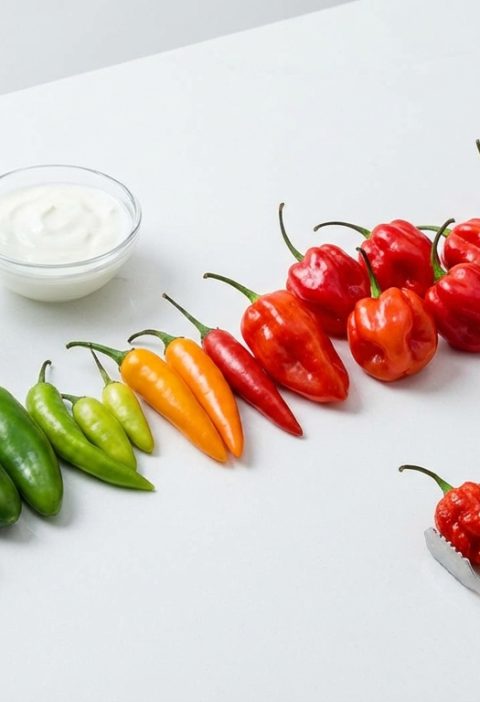
If you can’t handle the spice: Dairy helps, but it’s rarely available at night markets. Rice, bread, or starchy foods absorb some heat. Learn to say “not spicy” in the local language before ordering. For those who want to build tolerance, understanding how to handle the world’s spiciest peppers provides useful context.
If you feel unsafe: Trust your instincts. Leave crowded areas if pickpocketing concerns you. Stick to well-lit sections. Travel with others when possible.
Most problems at night markets are minor and easily resolved. Maintaining a flexible, patient attitude prevents small issues from ruining your experience.
Advanced Moves for Return Visitors
Once you’ve mastered the basics, level up your night market skills.
Go during off-peak seasons: Tourist-heavy markets transform during local shoulder seasons. You’ll get more vendor attention, shorter lines, and sometimes better prices.
Learn key phrases: “What’s good today?” “Same as that person ordered.” “Not spicy, please.” “How much?” These five phrases in the local language dramatically improve your experience.
Befriend a vendor: Return to the same stall on multiple visits. Vendors remember friendly customers and often offer samples of new items or insider recommendations.
Attend on special occasions: Markets during festivals or holidays feature special dishes not available year-round. Research the local calendar.
Try the breakfast markets: Many locations have morning markets with entirely different food offerings. The cultural experience differs from nighttime crowds.
Take a cooking class: Understanding how dishes are prepared enhances your appreciation when eating them at markets. Many cities offer classes focused on street food techniques, similar to the hands-on learning you’d find in a week-long culinary journey through Tuscany, but with Asian street food focus.
Document your favorites: Keep notes on your phone about which stalls served the best dishes. Markets are large, and memory fades. Next time you visit, you’ll know exactly where to go.
Explore the ingredient vendors: Many night markets include produce, spice, and specialty ingredient stalls. Watching locals shop for cooking ingredients provides insight into home food culture.
“The best night market experiences happen when you stop trying to eat everything and start paying attention to how locals interact with food, vendors, and each other. Slow down. Observe. The cultural education is as valuable as the meal.” — Street Food Anthropologist, Dr. Chen Wei
Making Sense of the Chaos
Night markets feel overwhelming at first because they’re designed for locals who already know the unwritten rules. You’re entering a complex social ecosystem with its own logic, rhythms, and expectations.
The chaos is the point. These markets represent spontaneous community gathering spaces where commerce, culture, and cuisine intersect. Unlike the sterile predictability of food courts or restaurants, night markets offer genuine cultural immersion.
Your first visit won’t be perfect. You’ll miss great stalls. You’ll order something you don’t enjoy. You’ll get lost and confused. That’s all part of learning how to navigate a night market authentically.
But by your second or third visit, the patterns emerge. You’ll recognize quality signals. You’ll know which sections to prioritize. You’ll develop favorite vendors. The sensory overload transforms into comfortable familiarity.
The skills you build navigating night markets transfer to other food adventures. You’re training your palate, learning to read food safety signals, and developing confidence in unfamiliar culinary situations. These abilities serve you whether you’re eating street food in Mexico City, shopping at farmers markets back home, or trying the complete Oaxaca food trail.
Start with one market. Master it. Then apply those lessons to new locations. Each market has unique character, but the fundamental principles of observation, respect, and strategic eating remain constant.
The night market isn’t just about filling your stomach. It’s about understanding how communities gather, how food traditions persist in modern contexts, and how strangers can connect over shared meals. That’s worth far more than any individual dish, no matter how delicious.