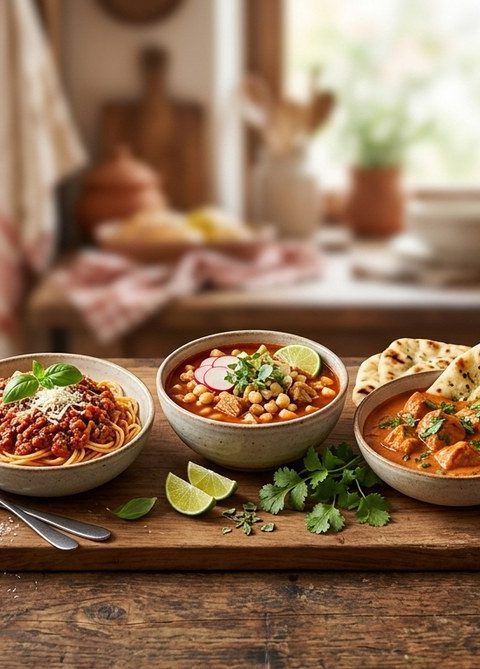
Regional dishes are more than just meals on a plate. They are vibrant stories that reveal a community’s history, environment, and social customs. Food has the power to connect us to our roots and to others. Understanding these regional food stories deepens our appreciation for culinary traditions and highlights the diverse tapestry of human culture. This guide takes you on a journey through the fascinating world of local dishes, explaining why they matter and how they shape identities.
Why Regional Food Stories Matter
Every community boasts unique dishes that have been passed down through generations. These recipes and ingredients often evolve from local resources, climate, and historical exchanges. For example, the spicy flavors of Sichuan cuisine reflect the region’s hot climate and rich biodiversity. Similarly, Mediterranean dishes are rooted in the abundance of fresh produce, olive oil, and fish from the surrounding seas.
Food stories are woven into cultural celebrations, rituals, and everyday life. They serve as edible archives, preserving traditions that define a community’s identity. Recognizing these stories helps us appreciate the complexity behind what we eat and understand the social fabric that sustains it.
“Food is a universal language. It tells stories about where people come from, what they value, and how they see the world,” says culinary historian Dr. Lisa Nielson.
How to Discover and Appreciate Regional Food Stories
Unearthing the significance of local dishes involves a few practical steps. Whether you are traveling or learning at home, these methods will deepen your culinary understanding.
1. Research the Historical and Environmental Context
Start by exploring the history behind a dish. Look into how trade, migration, or colonization influenced local ingredients and cooking techniques. For example, the introduction of chili peppers from the Americas transformed many Asian and African cuisines. Environmental factors like climate and geography also shape food traditions. Coastal regions tend to have seafood-centric dishes, while mountainous areas might focus on preserved foods.
2. Engage with Local Communities and Food Experts
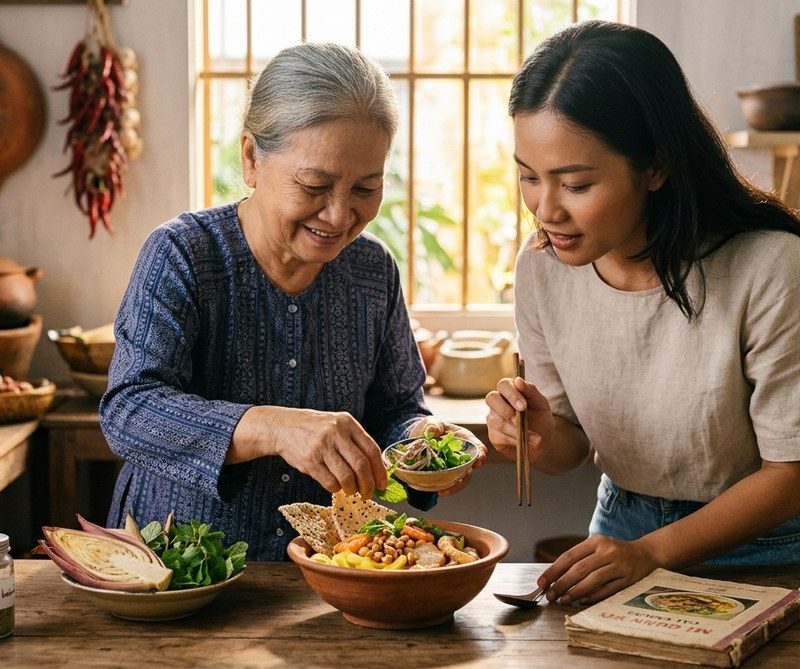
Talking to local chefs, farmers, and food artisans provides authentic insights. Attending food festivals or markets offers a chance to taste regional specialties and learn their stories directly from those who keep traditions alive. Many communities have culinary tours or cooking classes that focus on their cultural significance.
3. Study Culinary Terminology and Food Knowledge
Understanding specific culinary terms helps clarify how dishes are prepared and why certain ingredients are essential. Learning about techniques like fermenting, slow-cooking, or curing reveals cultural approaches to flavor and preservation. For example, the art of making kimchi in Korea involves fermentation methods that have cultural and nutritional importance.
4. Document and Share Your Findings
Keep a journal or blog about your culinary discoveries. Sharing stories about local dishes enriches your experience and can inspire others to appreciate regional food traditions. Social media platforms are also great for engaging with a wider community of food lovers and cultural explorers.
Practical Processes for Exploring Regional Food Stories
Here are three steps to start uncovering the stories behind local dishes:
- Choose a region you are interested in, whether through travel plans or online research.
- Identify key ingredients and cooking methods unique to that area.
- Connect with local sources—this could be via food blogs, community groups, or travel guides—to learn about the cultural significance.
Scanning List of Key Elements
- Origin stories of dishes and ingredients
- Cultural rituals associated with food
- Traditional cooking techniques
- Local festivals celebrating culinary heritage
- Impact of migration and trade on recipes
Common Mistakes to Avoid
| Technique | Mistake | Why it Matters |
|---|---|---|
| Assuming dishes are static | Believing recipes haven’t evolved | Food traditions are dynamic and influenced by various factors |
| Ignoring local context | Overlooking history or environment | Context gives meaning to the dish’s significance |
| Relying only on written sources | Missing oral traditions | Many food stories are passed down verbally and are essential to cultural identity |
Regional Food Stories in Action
Consider the story of the Italian dish risotto. It originated in the northern regions where rice is cultivated. Over centuries, it became a symbol of local ingenuity and adaptation to the environment. Similarly, Mexican mole sauce tells a story of indigenous ingredients and centuries of culinary exchange, blending flavors from native crops and Spanish colonizers.
Another compelling example is the Japanese dish ramen. Its history reflects a mix of Chinese influence, post-World War II innovation, and regional variations. Each bowl represents a unique story of adaptation, migration, and local pride.
The Role of Food in Cultural Identity
Regional dishes often serve as symbols of cultural pride and identity. For instance, Cajun cuisine in Louisiana embodies the resilience and history of Acadian communities. In Japan, regional variations of sushi or tempura highlight local ingredients and preferences.
Food can also mark important life events and religious festivals. During Chinese New Year, families gather around specific dishes like dumplings and fish, which carry symbolic meanings of fortune and abundance. These traditions reinforce cultural bonds and pass stories from one generation to the next.
“Understanding regional food stories allows us to see the world through different cultural lenses,” notes anthropologist Dr. Maria Lopez. “Food is a mirror reflecting history, environment, and social change.”
Incorporating Regional Food Stories Into Your Culinary Journey
You can start embracing these stories by:
- Visiting local markets and asking vendors about their ingredients.
- Trying recipes that are traditional to the region you are studying.
- Attending cultural festivals that showcase regional foods.
- Reading books or documentaries about local culinary history.
By doing so, you not only taste the food but also savor the narrative behind each dish.
Celebrating the Diversity of Food Cultures
Every region has its own flavor story. From the hearty stews of Eastern Europe to the spicy curries of South Asia, each dish reveals a chapter of human history. Recognizing these stories enriches our dining experience and fosters appreciation for the world’s culinary diversity.
As you continue your food adventures, remember that every bite can be a window into a community’s traditions, struggles, and triumphs. Whether traveling or exploring from home, taking the time to learn these stories makes eating a more meaningful and connected experience.
A Final Bite of Wisdom
Understanding regional food stories is more than an academic pursuit. It’s a way to honor the cultures and histories that shape the foods we love. Start small by choosing one dish or ingredient you’re curious about. Research its origins, learn its significance, and try making it yourself. Sharing these stories with friends and family can turn a simple meal into a celebration of cultural heritage.
Embracing local culinary narratives transforms eating from routine to a way of connecting with the world’s rich tapestry of traditions. Keep curiosity alive, and let every meal tell a story.