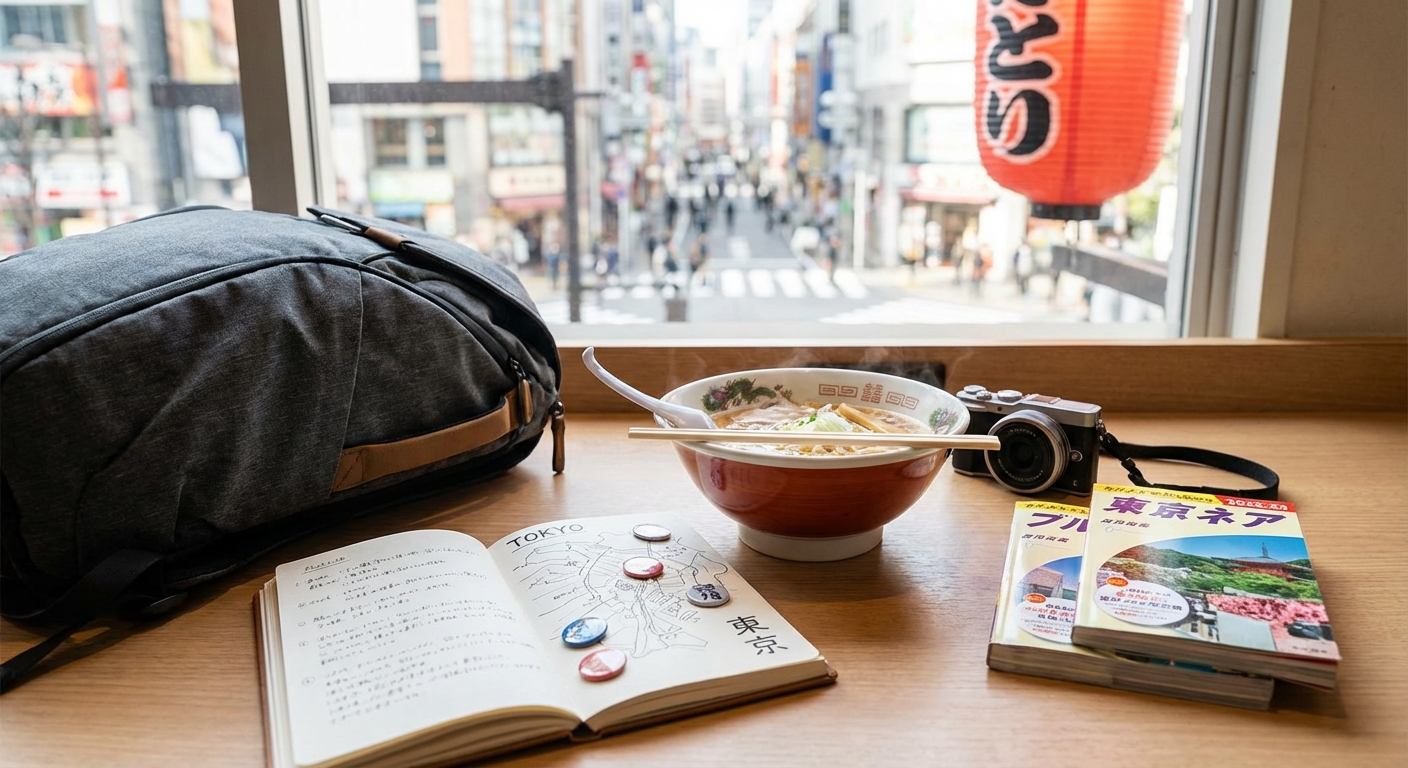
Tokyo has more than 10,000 ramen shops scattered across its sprawling neighborhoods. That number sounds thrilling until you’re standing on a Shinjuku street corner at 9 PM, stomach growling, staring at three different shops within fifty feet of each other. Which one serves the silky tonkotsu you’ve been dreaming about? Which one will have you waiting ninety minutes for a bowl that tastes like disappointment? This tokyo ramen guide cuts through the noise and gives you a practical framework for eating your way through Japan’s capital without wasting a single meal.
Tokyo’s ramen scene revolves around four core styles: shoyu, tonkotsu, miso, and tsukemen. Each neighborhood specializes in different broths and techniques. Understanding these basics, learning ticket machine navigation, and knowing which areas excel at specific styles transforms an overwhelming 10,000 options into a manageable, delicious pilgrimage. Most bowls cost 800 to 1,200 yen, tipping isn’t practiced, and vegetarian options exist but remain limited.
Understanding the Four Ramen Styles That Matter
Tokyo ramen breaks down into four main categories. Everything else is a variation or fusion.
Shoyu ramen uses soy sauce as its base. The broth runs clear to dark brown, depending on the ratio of soy to chicken or pork stock. Tokyo invented this style, so you’ll find exceptional versions in older neighborhoods like Asakusa and Kanda. The flavor balances salty and savory without overwhelming your palate. Expect thin, curly noodles that soak up the broth.
Tonkotsu ramen comes from Kyushu but dominates Tokyo’s ramen landscape. Pork bones simmer for 12 to 18 hours until they break down into a creamy, opaque broth. The texture feels almost like drinking liquid silk. Hakata-style tonkotsu uses thinner noodles and lets you order extra noodles (kaedama) to finish your broth. Shibuya and Ikebukuro have strong tonkotsu representation.
Miso ramen originated in Sapporo but thrives in Tokyo’s colder months. The fermented soybean paste creates a thick, hearty broth that sticks to your ribs. Shops often add butter, corn, or ground pork to boost richness. Shinjuku hosts several excellent miso specialists.
Tsukemen separates noodles from broth entirely. You dip cold or room-temperature noodles into a concentrated, intensely flavored dipping sauce. The noodles are thicker and chewier than standard ramen. After you finish the noodles, many shops offer soup-wari, where staff dilute your remaining dipping sauce with hot broth so you can drink it. Meguro and Shinagawa have notable tsukemen shops.
How to Order Without Speaking Japanese
Most Tokyo ramen shops use ticket vending machines instead of traditional ordering. Here’s the exact process:
- Find the machine near the entrance, usually to the left or right of the door.
- Insert cash (most machines don’t accept cards, though this is changing in 2024).
- Press the button for your ramen choice (often the top-left button is the shop’s signature bowl).
- Collect your ticket and any change.
- Hand the ticket to staff when you sit down.
- Wait 5 to 12 minutes for your bowl.
The machines display photos above most buttons. If you see kanji you can’t read, look for these visual cues:
- Red or orange backgrounds usually indicate spicy options
- Pictures with eggs show that the bowl includes ajitsuke tamago (marinated soft-boiled egg)
- Bowls with extra meat show chashu (braised pork) upgrades
- Side buttons often represent gyoza, rice, or beer
“The ticket machine intimidates first-timers, but it’s actually liberating. You don’t need to speak. You don’t need to wave down staff. You just press, sit, and eat. The system works because ramen shops move fast. Most customers finish within 15 minutes.” — Ramen shop regular with 500+ bowls logged
Many shops post an English menu near the machine or on the wall. Snap a photo with your phone before you insert money so you can reference it while choosing.
Neighborhood Breakdown for Ramen Styles
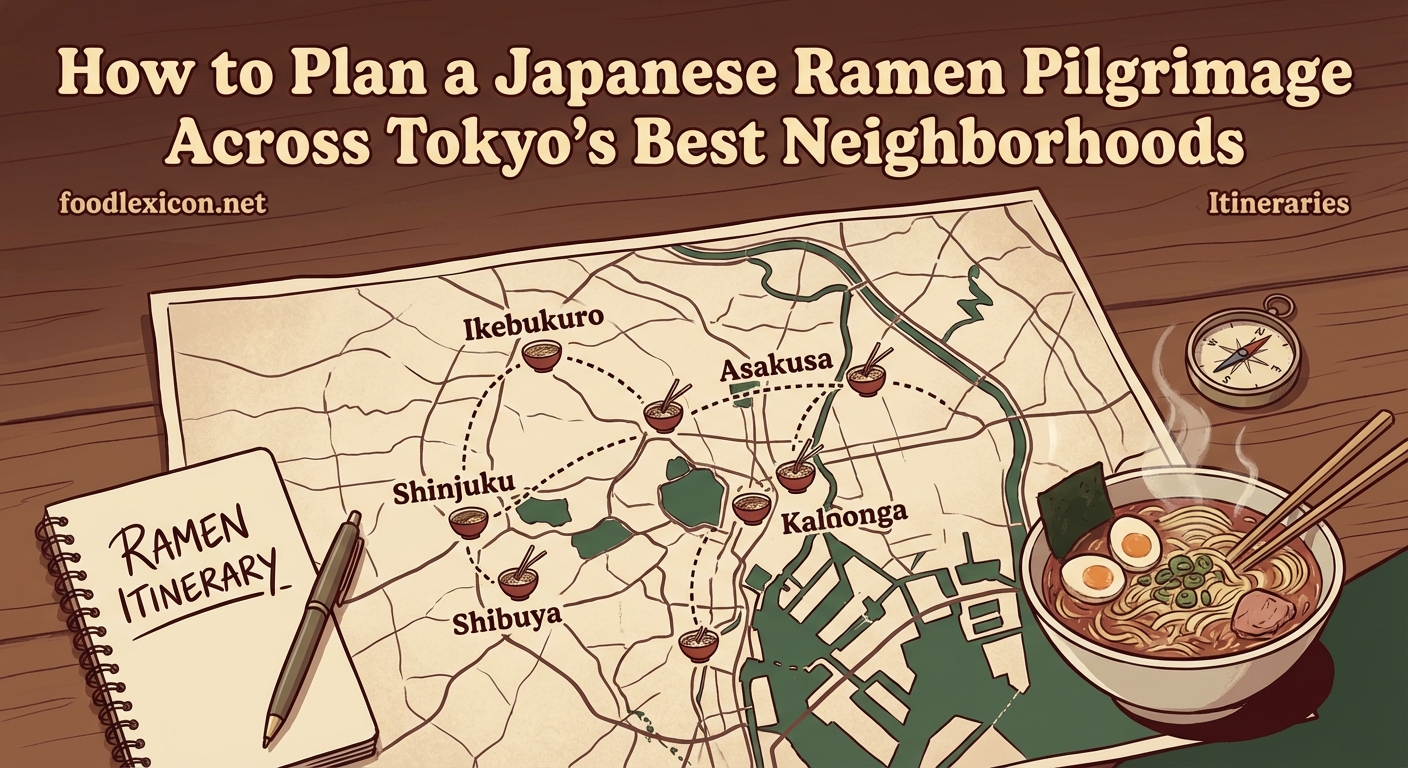
Different Tokyo neighborhoods developed reputations for specific ramen styles. This table shows where to focus your energy:
| Neighborhood | Best For | What to Expect | Typical Wait Time |
|---|---|---|---|
| Shibuya | Tonkotsu, late-night bowls | Creamy pork broth, younger crowds | 15-30 minutes |
| Shinjuku | Miso, variety | Everything available, intense competition | 20-45 minutes |
| Ikebukuro | Tonkotsu, Jiro-style | Heavy, garlicky bowls with massive portions | 30-60 minutes |
| Asakusa | Shoyu, traditional | Old-school Tokyo style, lighter broths | 10-25 minutes |
| Meguro | Tsukemen | Dipping noodles, refined techniques | 15-35 minutes |
| Shinagawa | Tsukemen, business lunch sets | Station-area convenience, solid quality | 10-20 minutes |
Shibuya’s ramen scene explodes after 10 PM when bars close and everyone needs something hot and filling. Shops near Shibuya Station stay open until 3 or 4 AM on weekends.
Shinjuku offers the widest variety because it’s Tokyo’s busiest transit hub. You’ll find everything from Michelin-recognized bowls to experimental fusion shops testing chicken paitan or vegan broths.
Ikebukuro became famous for Jiro-style ramen, a controversial category that piles vegetables, garlic, and thick slabs of pork on top of ultra-rich tonkotsu. These bowls weigh close to two pounds. Only attempt Jiro-style if you’re genuinely hungry and enjoy intense, porky flavors.
Asakusa preserves Tokyo’s original shoyu tradition. The shops here opened in the 1950s and 60s, and many still use the same recipes. The crowds skew older, and the atmosphere feels less frantic than Shibuya or Shinjuku.
What to Eat With Your Ramen
Ramen shops aren’t just about the bowl. Side dishes and add-ons complete the experience.
Gyoza appears on nearly every menu. These pan-fried dumplings filled with pork and vegetables provide textural contrast to soft noodles. Order three to six pieces as an appetizer or side.
Kaedama means extra noodles. After you finish your first serving but still have broth left, order kaedama for 100 to 150 yen. Staff will drop a fresh portion of noodles into your remaining soup. This only works with tonkotsu and some shoyu styles where the broth stays hot enough.
Ajitsuke tamago (seasoned soft-boiled egg) is the single most popular topping. The yolk should run slightly when you bite into it. Many shops marinate eggs in soy sauce, mirin, and sake for 24 hours before serving.
Chashu refers to braised pork belly or shoulder. Standard bowls include two or three slices. Upgrade options add four to eight extra slices for 200 to 400 yen.
Menma (fermented bamboo shoots) adds crunch and a slightly sour note that cuts through rich broths.
Nori (seaweed sheets) soften in the hot broth. Eat them within the first two minutes or they’ll disintegrate.
Rice bowls make sense with tsukemen because the dipping sauce is too concentrated to drink alone. Mix leftover sauce with rice for a final course.
Beer pairs surprisingly well with ramen, especially lighter lagers that don’t compete with complex broths. Most shops stock Asahi, Kirin, or Sapporo in small bottles.
Common Mistakes That Ruin the Experience
First-time visitors make predictable errors that diminish their ramen pilgrimage:
- Ordering too much food: A standard ramen bowl plus gyoza is plenty. Adding rice, extra chashu, and multiple toppings leads to waste and discomfort.
- Letting the noodles sit: Ramen noodles continue cooking in hot broth. Start eating within 30 seconds of receiving your bowl or the noodles turn mushy.
- Skipping the broth: Some people eat only noodles and toppings, leaving broth behind. The broth represents hours of work and contains the soul of the dish.
- Visiting only famous shops: Lines at celebrity ramen shops stretch 90 minutes or longer. The shop next door with no line often serves comparable quality.
- Going during peak lunch (12-1 PM): Office workers flood ramen shops between noon and 1 PM. Visit at 11 AM or after 1:30 PM to avoid crowds.
- Ignoring counter etiquette: Ramen counters seat strangers side by side. Don’t spread your belongings across multiple seats. Don’t talk loudly on your phone. Eat, finish, and leave so the next person can sit.
Setting Up Your Ramen Schedule
A proper tokyo ramen guide needs a realistic eating schedule. Your stomach has limits.
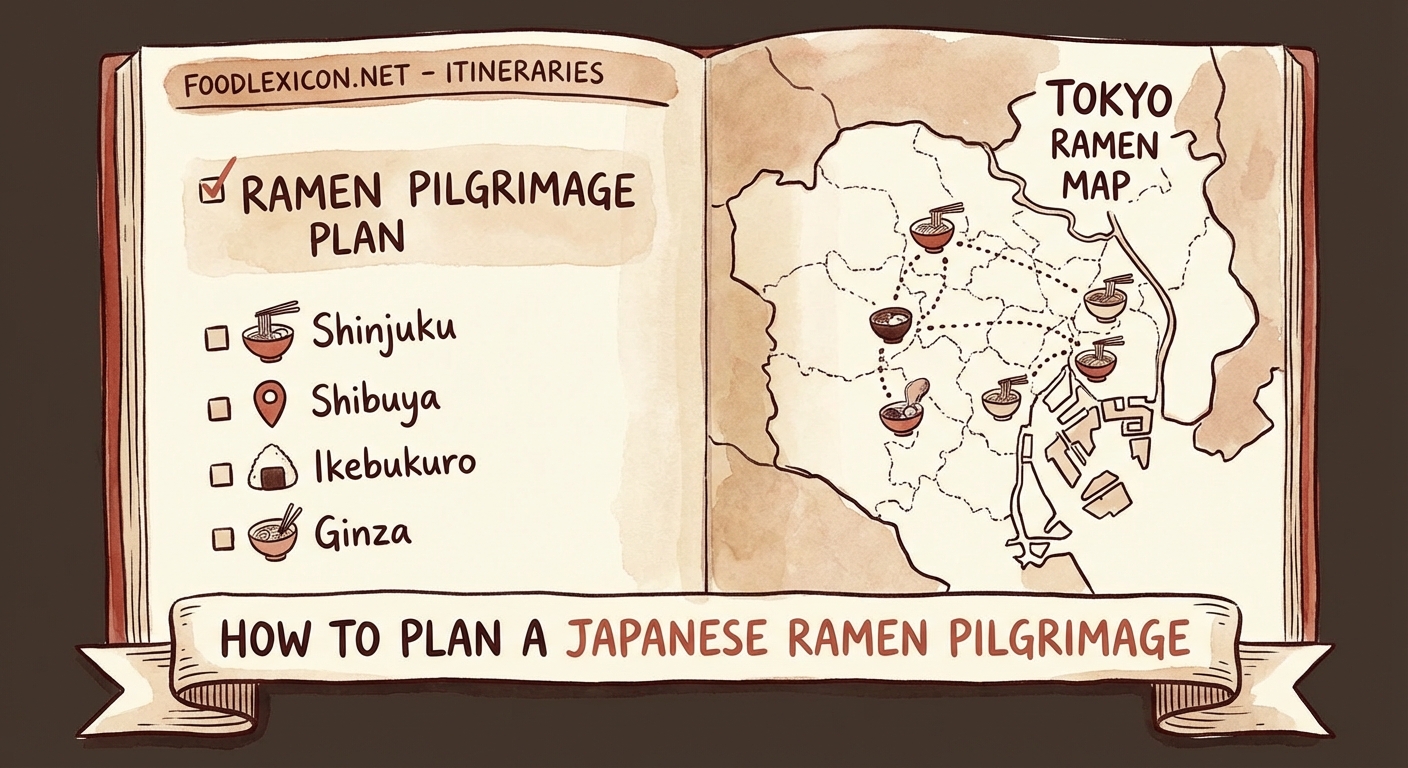
Day 1: Start with shoyu in Asakusa for lunch. The lighter broth won’t overwhelm your palate. Walk around Senso-ji Temple to build an appetite, then hit a second shop for tonkotsu in Shibuya around 7 PM.
Day 2: Try tsukemen in Meguro for lunch. The dipping style feels different enough from Day 1 to keep things interesting. If you’re still hungry at dinner, go for miso in Shinjuku.
Day 3: Rest day or light eating. Three days of heavy ramen can exhaust your digestive system. Consider 48 hours of street food paradise: your ultimate Bangkok eating guide for inspiration on pacing multi-day food trips.
Day 4: Return to your favorite style from Days 1-2 but in a different neighborhood. If you loved Shibuya’s tonkotsu, try Ikebukuro’s version for comparison.
Most serious ramen enthusiasts eat one exceptional bowl per day rather than cramming multiple shops into 24 hours. Quality beats quantity.
Vegetarian and Dietary Restrictions
Tokyo’s ramen scene caters overwhelmingly to meat eaters. Traditional broths require pork bones, chicken carcasses, or fish. Vegetarian options exist but remain scarce.
Soranoiro in Kojimachi pioneered vegetable-based ramen using tomatoes, mushrooms, and soy milk. The shop offers completely plant-based bowls that actually taste good.
T’s Tantan inside Tokyo Station serves vegan tantanmen (sesame-based ramen) that’s become a reliable option for plant-based travelers.
Most standard ramen shops can’t accommodate vegetarians because the broth is pre-made in massive batches. The kitchen can’t swap out the base for a single order.
Gluten-free ramen is nearly impossible to find. Wheat noodles define the dish. A few experimental shops test rice noodles or konnyaku noodles, but these remain outliers.
If you have serious allergies, learn these phrases:
– “Watashi wa [ingredient] arerugii desu” (I’m allergic to [ingredient])
– “Kore ni [ingredient] ga haitte imasuka?” (Does this contain [ingredient]?)
Staff at busy ramen shops may not have time for detailed allergy discussions. Choose shops with English menus that list ingredients clearly.
Price Expectations and Payment
Ramen remains one of Tokyo’s best food values. A complete meal costs less than a mediocre sandwich in most Western cities.
Standard bowls run 800 to 1,200 yen ($5.50 to $8.50 USD at 2024 exchange rates). Premium shops with Michelin recognition or rare ingredients charge 1,400 to 1,800 yen.
Add-ons cost:
– Extra chashu: 200-400 yen
– Seasoned egg: 100-150 yen
– Gyoza (6 pieces): 300-450 yen
– Beer: 400-600 yen
– Kaedama: 100-150 yen
Cash dominates the ramen world. Bring 10,000 yen in small bills (1,000 and 5,000 yen notes) to avoid breaking large bills at tiny shops. More shops added card readers after 2020, but don’t count on it.
Never tip. Tipping doesn’t exist in Japanese food culture. Leaving money on the counter confuses staff and can cause offense. The price on the ticket machine is the final price.
Reading the Shop Atmosphere
Ramen shops telegraph their style through atmosphere and setup:
Counter-only shops with 8-12 seats: Serious, focused ramen. The chef stands directly in front of you. These shops prioritize quality over volume.
Shops with tables and 30+ seats: Family-friendly or chain operations. Quality varies but usually lands in the “solid but not exceptional” range.
Shops with lines before opening: Either genuinely outstanding or Instagram-famous. Check Google reviews in Japanese (use translate) to determine which category applies.
Shops playing loud rock or metal music: Often Jiro-style or aggressive, heavy bowls. The music matches the food’s intensity.
Quiet shops with older customers: Traditional shoyu or shio (salt-based) ramen. Expect refined, delicate flavors.
Watch how quickly customers finish and leave. Ramen shops optimize for turnover. If people linger over empty bowls chatting, the shop isn’t following standard ramen culture.
Beyond the Bowl
Ramen culture extends beyond eating. Understanding the broader context makes your pilgrimage more meaningful.
Many Tokyo ramen chefs trained for years before opening their own shops. The apprenticeship system means a 25-year-old chef might have spent eight years learning to make one style of broth.
Ramen magazines like “Ramen Walker” publish annual rankings. Japanese customers take these rankings seriously. A top-10 placement can double a shop’s traffic overnight.
The Michelin Guide added a ramen category in 2015. One-star ramen shops exist, though purists argue that Michelin doesn’t understand ramen culture well enough to judge it.
Regional ramen styles from across Japan have established outposts in Tokyo. You can eat Sapporo miso, Hakata tonkotsu, Kitakata shoyu, and Wakayama tonkotsu without leaving the city. This concentration of styles makes Tokyo the world’s ramen capital despite not originating most of these variations.
Why do we eat what we eat? The fascinating geography behind regional ingredients explains how local ingredients and climate shaped different ramen styles across Japan before they all converged in Tokyo.
Apps and Resources for Real-Time Decisions
Technology makes navigating Tokyo’s ramen scene significantly easier in 2024:
Ramen Beast (app) provides English-language reviews and maps for 1,000+ Tokyo shops. The app includes photos of ticket machines with English translations overlaid on buttons.
Tabelog (website and app) is Japan’s dominant food review platform. Set your search filter to “ramen” and sort by rating. Anything above 3.5 is worth trying. Above 3.7 is exceptional.
Google Maps works better than you’d expect. Search “ramen near me” and check recent reviews with photos. Avoid shops with only tourist reviews. Look for Japanese reviewers who post regularly.
Instagram location tags show what actual bowls look like before you commit. Search the shop name or neighborhood plus “ramen” to see recent posts.
Making Your Ramen Pilgrimage Work
Planning a tokyo ramen guide around neighborhood specialties, understanding the four core styles, and learning ticket machine basics transforms an intimidating food scene into an approachable adventure. Start with shoyu in traditional neighborhoods to calibrate your palate. Move to richer tonkotsu and miso as you build tolerance for heavier broths. Save tsukemen for when you want something different.
Eat one great bowl per day rather than forcing three mediocre ones. Your body and taste buds will thank you. Bring cash, expect lines at famous shops, and remember that the best bowl might be at the quiet place around the corner with no English sign and zero Instagram presence.
The beauty of Tokyo’s ramen culture is that you can’t actually fail. Even average shops serve bowls that would be considered exceptional in most other cities. Trust your instincts, follow the crowds of Japanese customers, and slurp loudly. That last part isn’t just acceptable, it’s expected.