You’ve seen the posts. Someone preps 30 meals in one Sunday, their kitchen gleaming, their freezer perfectly organized with color-coded labels. You tried it once. Never again. The exhaustion, the mess, the three hours of cleanup that followed. There has to be a better way to get meals in the freezer without losing your entire weekend.
Batch cooking freezer meals doesn’t require marathon cooking sessions. By focusing on component cooking, strategic doubling, and realistic two-hour blocks, you can build a freezer stash that prevents weeknight stress without sacrificing your weekends. The key is cooking smarter portions, not bigger batches all at once.
Why traditional freezer meal prep burns you out
The problem with most batch cooking advice is the scale. Recipes tell you to triple everything, cook all day, and fill your freezer in one heroic effort.
That approach has major flaws.
Your energy crashes after hour three. Quality drops when you’re exhausted. You run out of counter space. Your oven can only hold so much. And the cleanup becomes its own project.
Most people try this method once, feel overwhelmed, and give up on freezer meals entirely.
The solution isn’t to cook more. It’s to cook differently.
The component method that changes everything
Instead of making complete meals, cook components that become multiple dishes.
Here’s what that looks like in practice:
- Roast a large batch of chicken thighs
- Cook two pounds of ground beef with basic seasonings
- Prepare a big pot of rice or quinoa
- Chop and freeze raw vegetables in meal-sized portions
These components transform into different meals throughout the week. The chicken becomes tacos one night, goes into soup another, tops a salad the next. The ground beef turns into pasta sauce, taco filling, or stuffed peppers.
This approach follows the same principle as the complete guide to mise en place, where preparation happens in stages rather than all at once.
You’re not committing to specific meals yet. You’re creating options.
The realistic two-hour block system
Break batch cooking into manageable sessions. Two hours max. That’s it.
Pick one category per session:
- Protein prep session: Cook 3-4 pounds of one protein. Season half for immediate use, keep half plain for flexibility.
- Grain and legume session: Make large batches of rice, quinoa, beans, or lentils. These freeze beautifully and reheat perfectly.
- Sauce and base session: Prepare marinara, curry base, or soup stock. These become meal foundations.
- Vegetable prep session: Wash, chop, and portion vegetables. Some freeze raw, others roast first.
Schedule these sessions on different days. Tuesday evening you do proteins. Thursday you handle grains. Sunday afternoon is for sauces.
No single session exhausts you. Each one stocks your freezer gradually.
The best meal prep system is the one you’ll actually maintain. Consistency beats intensity every time. Small, regular efforts create more usable meals than occasional marathon sessions.
Strategic doubling instead of massive batches
When you cook dinner tonight, make double. Not triple. Not five times the recipe. Just double.
Eat one portion. Freeze the other.
This method integrates batch cooking into your normal routine. You’re already cooking. You’re already cleaning up. Making twice as much adds maybe 15 minutes to your process.
After two weeks of strategic doubling, you have 10-14 meals in your freezer. You didn’t dedicate a single day to meal prep. You just cooked dinner a little differently.
What actually freezes well
Not everything belongs in the freezer. Some foods turn mushy. Others separate. Some lose all their texture.
Here’s what freezes successfully:
| Freezes Well | Freezes Poorly | Why |
|---|---|---|
| Soups and stews | Cream-based sauces | Fat separates when frozen |
| Cooked ground meat | Raw potatoes | Texture becomes grainy |
| Cooked rice and grains | Lettuce and raw greens | Water content ruins structure |
| Tomato-based sauces | Fried foods | Lose crispness completely |
| Cooked beans | Hard-boiled eggs | Whites turn rubbery |
| Most casseroles | Mayonnaise-based dishes | Emulsion breaks down |
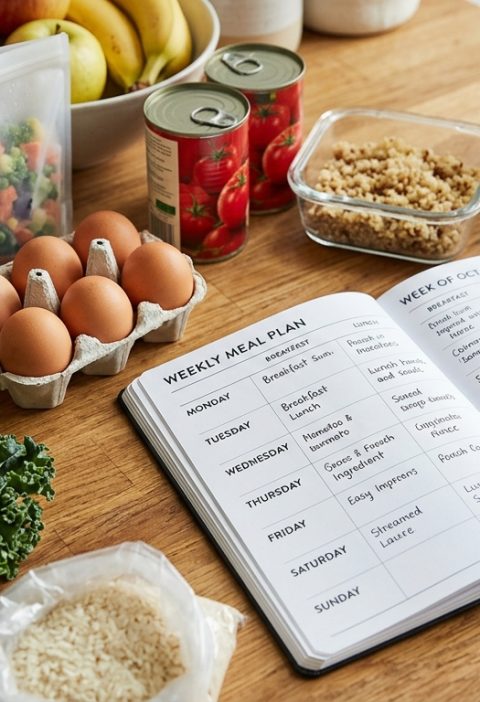
Understanding these differences prevents disappointing meals. When building a weekly meal plan using ingredients you already have, consider which components freeze and which should stay fresh.
The right containers make everything easier
Container choice affects how well food freezes and how easily you use it later.
Glass containers work great for reheating but take up more space. Plastic freezer bags save room but aren’t as sturdy. Aluminum pans heat evenly but aren’t reusable.
Here’s what works best for different foods:
- Soups and sauces: Freezer bags laid flat. They stack efficiently once frozen.
- Casseroles: Disposable aluminum pans. No container commitment.
- Individual portions: Silicone muffin cups or small containers. Perfect for single servings.
- Cooked grains: Plastic containers with tight lids. Easy to scoop what you need.
Label everything with contents and date. Use masking tape and permanent marker. Don’t trust your memory. Frozen food all looks the same after a month.
Preventing freezer burn without fancy equipment
Freezer burn happens when air reaches your food. It dries out the surface and creates off flavors.
You don’t need a vacuum sealer to prevent it.
Remove as much air as possible from bags. Press down while sealing. Use the water displacement method: submerge a filled bag in water (keeping the opening above the surface) and let water pressure push out the air before sealing.
Wrap items twice. First layer goes directly on the food. Second layer protects the first.
Don’t overload your freezer. Air needs to circulate. When food freezes slowly, ice crystals form and damage texture.
How to organize your freezer for actual use
A disorganized freezer defeats the purpose. You forget what’s in there. Things get buried. You end up ordering takeout while meals sit frozen.
Organize by meal type, not by date:
- One section for proteins
- Another for complete meals
- A third for components and sides
- A fourth for breakfast items
Use bins or baskets to create zones. This prevents the avalanche when you open the door.
Keep a freezer inventory list on the door. Cross items off as you use them. Add new items when you freeze them. This simple system prevents mystery containers and wasted food.
The thaw-and-reheat strategy that saves dinner
Frozen meals need proper thawing. Rushing this step ruins texture and creates uneven heating.
Best thawing methods:
- Refrigerator overnight: Safest method. Move dinner to the fridge before work.
- Cold water bath: Faster option. Submerge sealed container in cold water. Change water every 30 minutes.
- Microwave defrost: Last resort. Use low power and check frequently.
Never thaw on the counter. Bacteria multiply rapidly at room temperature.
Reheat thoroughly. Food should reach 165°F throughout. Stir halfway through reheating to distribute heat evenly.
Some meals reheat better than others. Soups and stews improve with reheating. Rice dishes may need a splash of water. Casseroles benefit from covering with foil to prevent drying.
Common mistakes that waste your effort
Even with good intentions, certain mistakes undermine your batch cooking efforts.
Freezing food while still warm: This raises your freezer temperature and affects everything else in there. Cool food to room temperature first, then refrigerate before freezing.
Forgetting seasoning adjustments: Freezing dulls flavors. Slightly under-season before freezing. Add final seasonings when reheating.
Overfilling containers: Liquids expand when frozen. Leave an inch of headspace or containers will crack.
Ignoring freezer life limits: Most cooked foods last 2-3 months frozen. After that, they’re safe but quality drops. Use older items first.
Refreezing thawed food: Once something thaws completely, don’t refreeze it. Quality and safety both suffer.
Building your starter freezer stash
Start small. Don’t try to fill your freezer in one week.
Your first month should focus on these basics:
- 4-6 portions of cooked ground meat or shredded chicken
- 2-3 complete soup or chili meals
- 3-4 portions of cooked grains
- 2 marinara or curry sauce bases
- 1-2 breakfast options
This modest stash covers you for busy nights without overwhelming your process. As you get comfortable, gradually add more variety.
The goal isn’t a perfectly stocked freezer. It’s having enough options that you don’t panic at 6 PM on Wednesday when everyone’s hungry and you forgot to plan dinner.
When batch cooking actually fits your life
Not every week needs batch cooking. Some weeks you have time to cook fresh every night. Other weeks you need that freezer stash desperately.
Batch cooking makes most sense during:
- The week before a big work deadline
- Right before a family vacation
- During busy school activity seasons
- After having a baby
- When recovering from illness
- Before starting a new job
Build your freezer stash during calmer periods. Use it during chaos. This rhythm prevents burnout while maintaining the benefits.
Making peace with good enough
Your freezer meals won’t taste exactly like fresh-cooked dinners. That’s okay. They’ll taste better than takeout, cost less, and save your sanity on hard days.
Some nights call for elaborate cooking. Other nights call for a container from the freezer and 10 minutes in the oven.
Both approaches belong in your routine. Batch cooking freezer meals isn’t about perfection or impressive meal prep photos. It’s about having backup when you need it most.
Start with one two-hour session this week. Cook double of one dinner. See how it feels. Build from there. The sustainable approach always wins over the impressive one.